


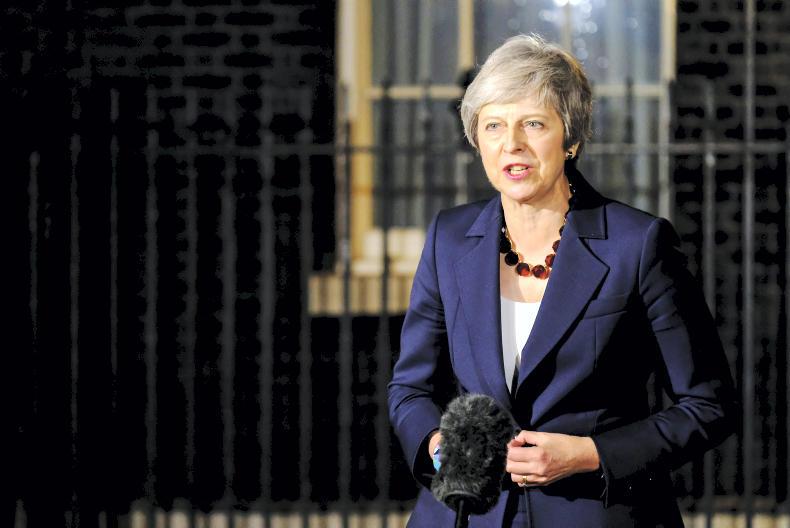
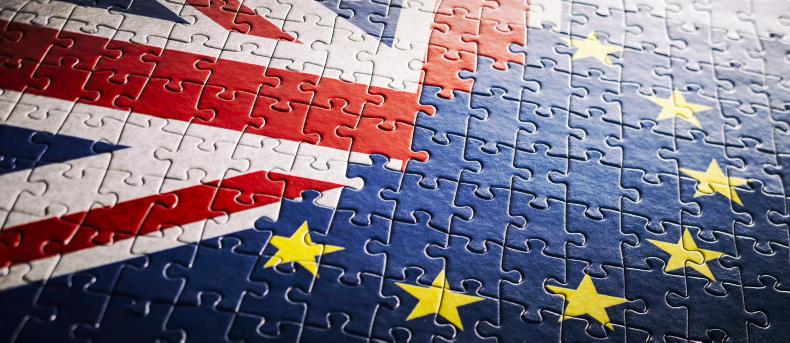
What was supposed to be Brexit day in the UK has turned into a damp squib for the British Prime Minister Theresa May, with yet another defeat in a vote by MPs on a variation of her withdrawal agreement.
MPs voted by 344 to 286 against the proposal which was a variation of her withdrawal agreement.
This isn’t a binding vote like the previous two defeats, but is yet another blow to a prime minister whose authority in parliament continues to diminish with a larger margin than expected.
What happens next?
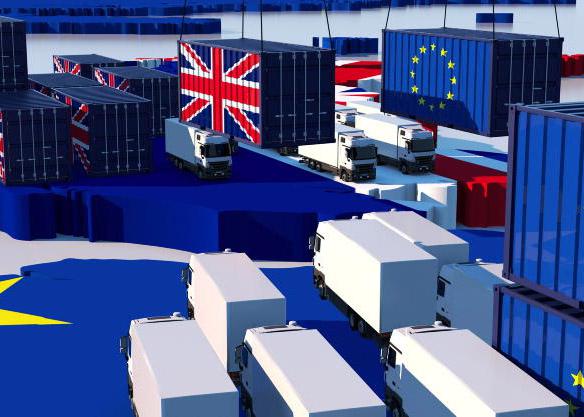
The UK has until 12 April, the next Brexit date, to come up with a plan or else they leave the EU at that point without a deal and commence trade on WTO terms, which means high tariffs on agricultural produce.
Before that, there will be further votes on Monday in what is essentially a follow-on from Wednesday evening’s indicative votes.
Even if that does identify a preference, it has to obtain EU approval
These have no particular authority and are essentially a sounding-out exercise among MPS to establish what is most likely to attract support.
Even if that does identify a preference, it has to obtain EU approval and there will only be a window to 22 May to implement it.
Monday’s debate in parliament is likely to feature the options or a combination of options that appeared to attract the most support when MPs voted on Wednesday evening.
After this failure to get support of the withdrawal agreement, it is difficult to see how it can succeed with another attempt.
It is also clear that there is little support for leaving without a deal.
Options
That means the UK can still revoke Article 50 and opt to remain in the EU, although that would be a bitter political pill to swallow.
They could look for a prolonged extension to try to sort the issue out but the question is what would change.
The possibility of a general election and perhaps a different approach by a new government is also possible, as is calling a second referendum with one of the options being to remain in the EU.
All of these are possibilities, but the reality is that to pursue any of them requires time and a probable further extension.
That means elections in the UK for the EU Parliament which again will be politically unpopular.
Brexit day version one closes with the prime minister defeated again.
Brexit day version two is two weeks away and with the lack of appetite for no deal, the challenge now for MPs is whether they can agree a definitive position over the remaining days that avoids the default option of no deal and all the consequences that has for agriculture in Ireland, the UK and indeed the rest of the EU.




SHARING OPTIONS