


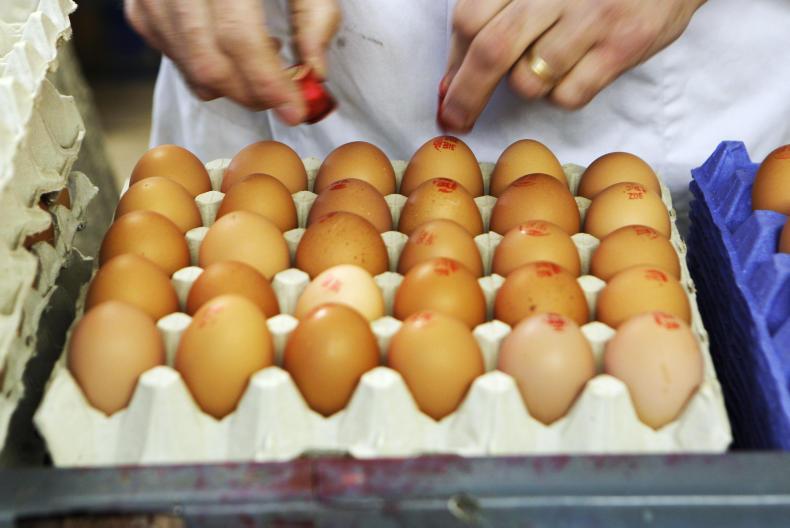
There is a growing concern that as more retailers move away from stocking eggs produced in enriched cages and barn systems, the premium for free-range production will ultimately be reduced.
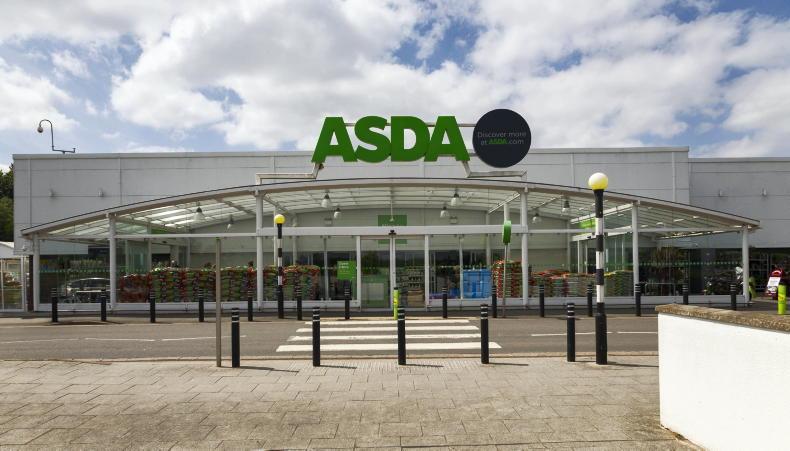
In 2016, major supermarket chains in the UK, including Tesco, Asda and Morrisons, announced that they will no longer stock eggs from enriched cages from 2025.
More recently, the demand for barn eggs has also reduced, with suppliers to Skea Eggs being told to cut barn egg production, reportedly due to a change in Sainsbury’s procurement policy.
DAERA figures indicate that 57% of the 5.05m hens supplying NI egg packers last year were in free-range systems, with less than 7% in barn systems.
Some retailers, such as Tesco, have made recent public commitments to keeping barn eggs on their shelves, and the food service sector remains an outlet for non-free-range eggs.
Risk
Ulster Farmers’ Union deputy president David Brown points out that free-range eggs have historically delivered a price premium for farmers.
“There is a risk that as more of the market moves to free-range production, that this product could become a commodity which would erode the value added throughout the supply chain,” he said.
He also said that increased free-range egg production brings additional animal health risks, particularly with avian influenza.
“If retailers want producers to deliver more free-range eggs, this risk must be considered to ensure there is an appropriate balance between animal welfare, animal health and producer viability,” Brown added.


SHARING OPTIONS