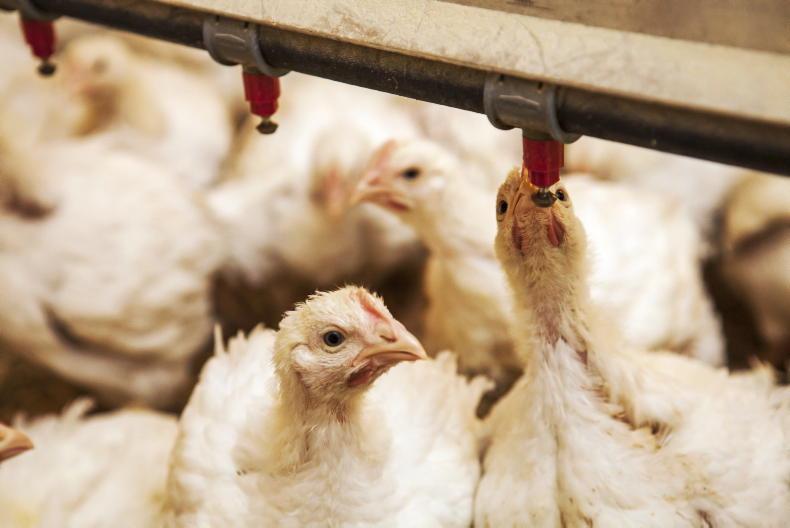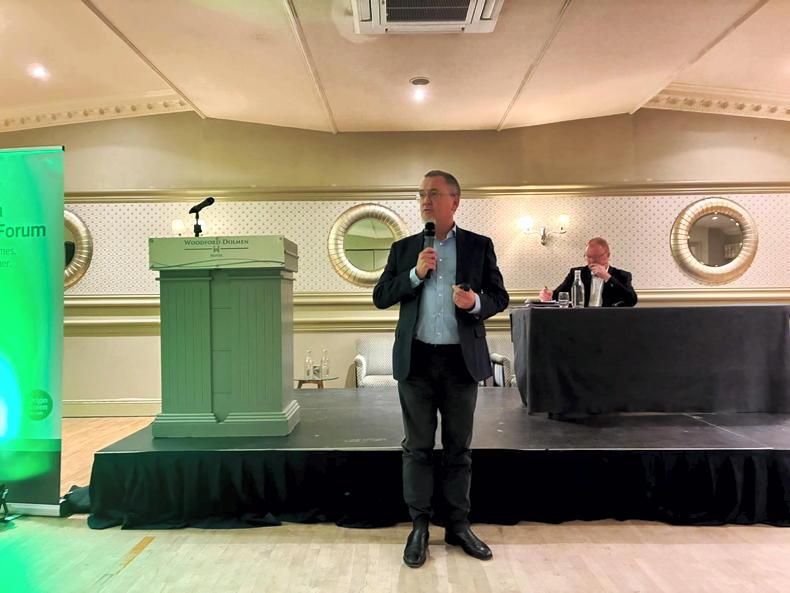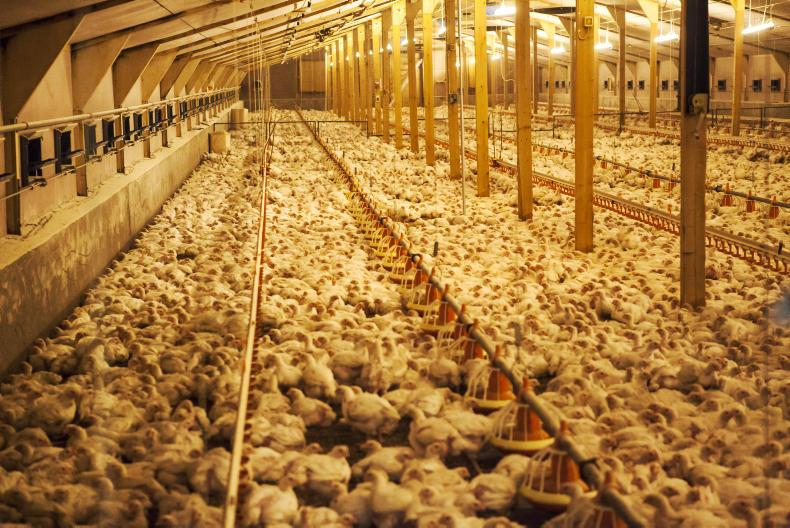
Representatives of poultry farmers and Renewable Heat Incentive (RHI) claimants have raised concerns over Moy Park’s long-term commitment to poultry production in NI.
During a sitting of the NI Affairs Committee at Stormont on Monday, MPs were told that recent cuts to RHI tariffs have left NI poultry producers uncompetitive compared with growers elsewhere in Ireland and Britain, where incentives for producing renewable heat are significantly higher.
“We are now part of an American group. An American group has no loyalty to NI and if it’s more cost-efficient to grow chicken and produce hatching eggs in England, that’s what it will do,” said Ulster Farmers’ Union (UFU) poultry chair Thomas Douglas.
A senior figure from Moy Park had told the committee last week that the poultry processor has a long-term commitment to NI, but several witnesses suggested that the reassurance lacked detail.
“The market is very volatile and any commercially sensitive operation will turn its production base to its commercial advantage. The processing base might remain in NI, but the production base could move somewhere else,” added Andrew Trimble from the Renewable Heat Association (RHANI).
Mistrust
During his evidence, Thomas Douglas also told MPs that cuts to RHI tariffs, which were originally guaranteed for 20 years, had “ended the trust in government” over incentive schemes for renewable energy.
“What bank is going to lend money to anybody, whether it be farmers, hoteliers or factories, on the strength of a renewable payment when they have taken this backward step with RHI? There is no credibility there,” he said.
The meeting at Stormont was part of the NI Affairs Committee’s ongoing inquiry into RHI cuts that were part of legislation which passed through Westminster in April 2018.
Representatives from the UFU maintained that a public consultation on RHI tariffs last year had a “predetermined outcome” and the new tariffs, which limit most annual payments to around £2,000/boiler, were “completely uneconomical”.
Douglas suggested that a key issue with the process was the lack of an executive at Stormont: “Faceless civil servants are running the country and do not have to answer to anybody.”

Read more
Moy Park won’t bail out RHI scheme
Huge differences in NI and ROI heat schemes
Representatives of poultry farmers and Renewable Heat Incentive (RHI) claimants have raised concerns over Moy Park’s long-term commitment to poultry production in NI.
During a sitting of the NI Affairs Committee at Stormont on Monday, MPs were told that recent cuts to RHI tariffs have left NI poultry producers uncompetitive compared with growers elsewhere in Ireland and Britain, where incentives for producing renewable heat are significantly higher.
“We are now part of an American group. An American group has no loyalty to NI and if it’s more cost-efficient to grow chicken and produce hatching eggs in England, that’s what it will do,” said Ulster Farmers’ Union (UFU) poultry chair Thomas Douglas.
A senior figure from Moy Park had told the committee last week that the poultry processor has a long-term commitment to NI, but several witnesses suggested that the reassurance lacked detail.
“The market is very volatile and any commercially sensitive operation will turn its production base to its commercial advantage. The processing base might remain in NI, but the production base could move somewhere else,” added Andrew Trimble from the Renewable Heat Association (RHANI).
Mistrust
During his evidence, Thomas Douglas also told MPs that cuts to RHI tariffs, which were originally guaranteed for 20 years, had “ended the trust in government” over incentive schemes for renewable energy.
“What bank is going to lend money to anybody, whether it be farmers, hoteliers or factories, on the strength of a renewable payment when they have taken this backward step with RHI? There is no credibility there,” he said.
The meeting at Stormont was part of the NI Affairs Committee’s ongoing inquiry into RHI cuts that were part of legislation which passed through Westminster in April 2018.
Representatives from the UFU maintained that a public consultation on RHI tariffs last year had a “predetermined outcome” and the new tariffs, which limit most annual payments to around £2,000/boiler, were “completely uneconomical”.
Douglas suggested that a key issue with the process was the lack of an executive at Stormont: “Faceless civil servants are running the country and do not have to answer to anybody.”
Read more
Moy Park won’t bail out RHI scheme
Huge differences in NI and ROI heat schemes
SHARING OPTIONS