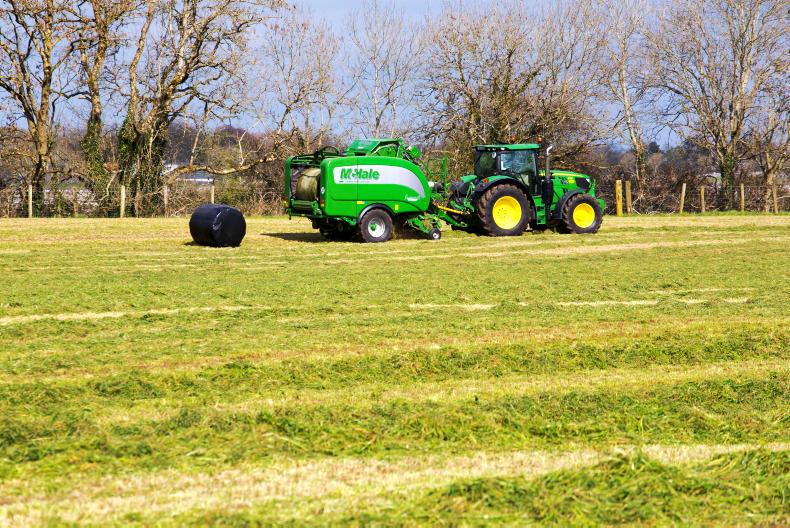
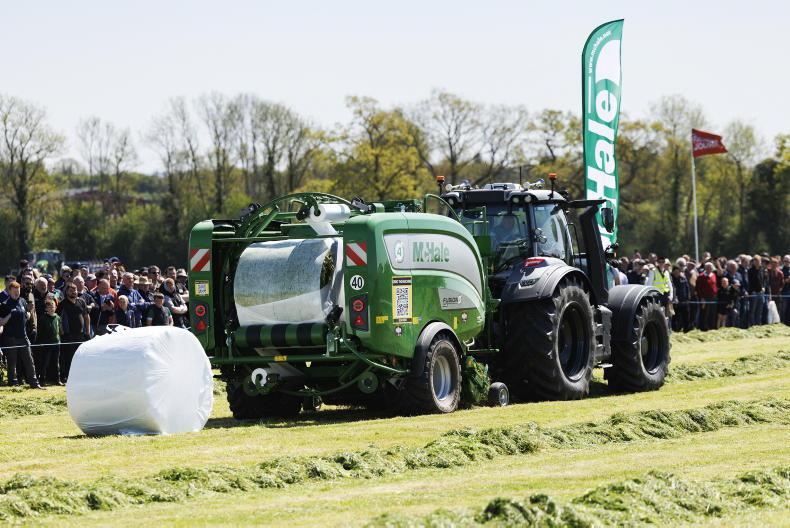
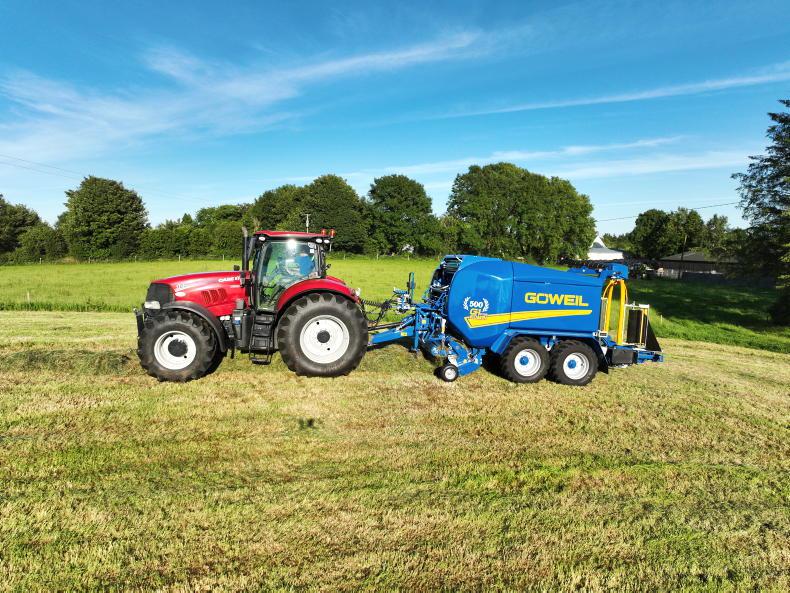
The fine weather over the bank holiday weekend saw mowers, rakes and balers emerge from winter hibernation. Some farmers who didn’t graze in spring took the opportunity to carry out the first cut, but the majority of farmers who did silage over the weekend did so to remove surplus grass.
Unlike grazing, removing grass in the form of bale silage returns nothing to the land. One of the main reasons many grazing fields are becoming deficient in potash is because the nutrients removed when taking surplus grass as bale silage is not being replaced.
For every 2,000kg/ha of grass removed as bales, 5kg more phosphorus and 50kg more potash are removed than if the field was grazed.
These nutrients can be returned by spreading 1,400 gallons/acre of thick slurry, or 3,000 gallons/acre of watery slurry. Slurry is the product of choice and ideal spreading conditions will present themselves on Monday and Tuesday.
A number of farmers have said to me that grass growth is poor. I’m beginning to think those that say this aren’t actually looking at grass growth.
Yes, air temperatures are about one degree lower than normal, but soil temperatures remain about two degrees higher than normal.
The nights are cold, and this is definitely impacting on grass growth, but growth is still good at over 70kg/day on most farms in Grass+.
Soil temperatures, exposure to daylight and nutrient availability are what govern grass growth and all three are good and getting better at the moment.
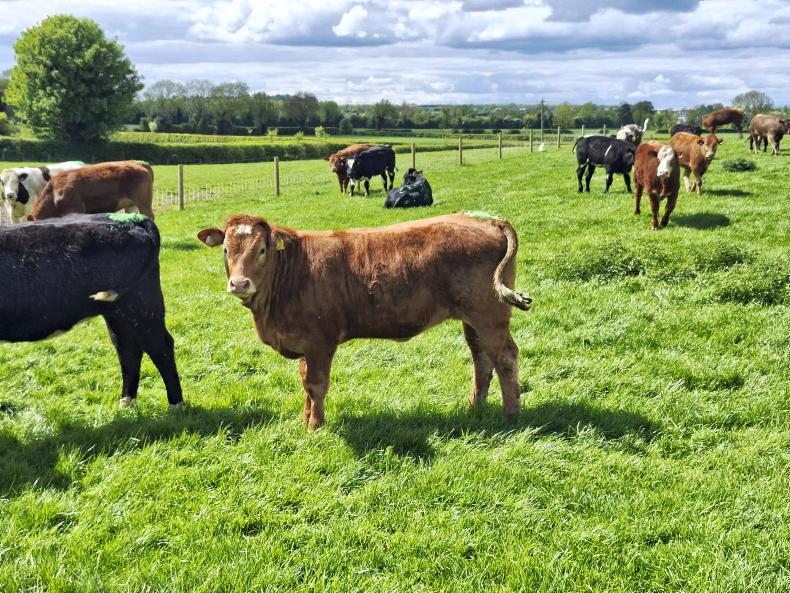
Continue to keep on top of grass by measuring every five or six days and making sure that cows only go into the correct covers of 1,400 to 1,600kg. Achieving a good clean-out is critical for grass quality and cheap milk in the next rotation.
Read more
Greenfield Farm: May protein remains high
Watch: how to get lucky with cow scratch cards this breeding season
The fine weather over the bank holiday weekend saw mowers, rakes and balers emerge from winter hibernation. Some farmers who didn’t graze in spring took the opportunity to carry out the first cut, but the majority of farmers who did silage over the weekend did so to remove surplus grass.
Unlike grazing, removing grass in the form of bale silage returns nothing to the land. One of the main reasons many grazing fields are becoming deficient in potash is because the nutrients removed when taking surplus grass as bale silage is not being replaced.
For every 2,000kg/ha of grass removed as bales, 5kg more phosphorus and 50kg more potash are removed than if the field was grazed.
These nutrients can be returned by spreading 1,400 gallons/acre of thick slurry, or 3,000 gallons/acre of watery slurry. Slurry is the product of choice and ideal spreading conditions will present themselves on Monday and Tuesday.
A number of farmers have said to me that grass growth is poor. I’m beginning to think those that say this aren’t actually looking at grass growth.
Yes, air temperatures are about one degree lower than normal, but soil temperatures remain about two degrees higher than normal.
The nights are cold, and this is definitely impacting on grass growth, but growth is still good at over 70kg/day on most farms in Grass+.
Soil temperatures, exposure to daylight and nutrient availability are what govern grass growth and all three are good and getting better at the moment.
Continue to keep on top of grass by measuring every five or six days and making sure that cows only go into the correct covers of 1,400 to 1,600kg. Achieving a good clean-out is critical for grass quality and cheap milk in the next rotation.
Read more
Greenfield Farm: May protein remains high
Watch: how to get lucky with cow scratch cards this breeding season






SHARING OPTIONS