Poisoning, whether intentional or not, and persecution, which is always illegal, of wild birds of prey in Ireland are of “significant concern” to the National Parks and Wildlife Service (NPWS).
In its eight annual recording and addressing persecution and threats to our raptors (RAPTOR) report, it says that carbofuran, despite being banned since 2008, was the primary poison detected in 2018.
The poisoning of any wildlife (other than rats or mice) is recorded, because in the vast majority of cases raptors could have ingested the same poison or fed on prey that had itself been poisoned, authors of the 2018 report said.
“The frequency with which this lethal poison is used and its widespread use across Ireland in wildlife crime is of significant concern,” they said.
Incidents
In 2018, a total of 31 incidents involving birds of prey were confirmed in Ireland.
These incidents were comprised of 23 poison incidents and eight incidents where birds of prey were shot (for clarity, some incidents involved more than one cause).
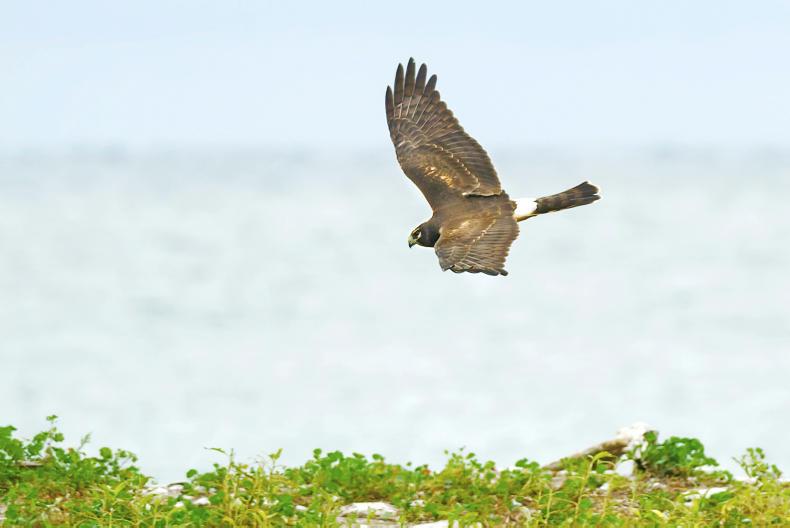
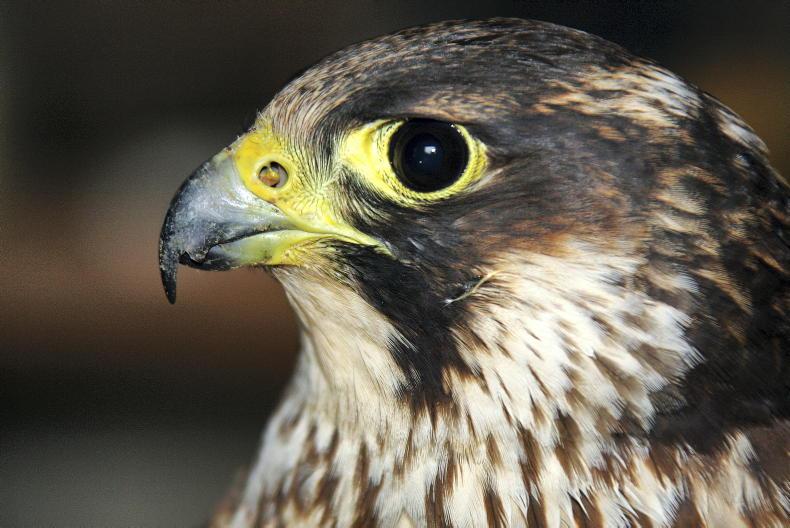
The report authors said that of the raptor species confirmed to have died as a result of direct human impact in 2018, the most frequent casualty was the common buzzard (10), followed by the peregrine falcon (five), red kite (three), hen harrier (two), long-eared owl (two), barn owl (two), sparrowhawk (one), kestrel (one), and merlin (one).
Striking incidents
What was striking about incidents in 2018, the report said, was the number of cases that occurred in tandem or in close proximity, according to the report.
These included two hen harriers, a male and a female from separate breeding pairs, which were shot within the same 10km area and three common buzzards poisoned (and mutilated after death) at one incident in Cork.
Members of the public are asked to contact their local NPWS office with any information regarding poisoning or persecution incidents of raptors.
Read more
€156,000 in second round of hen harrier payments
Hen Harrier scheme to accept all applicants
Poisoning, whether intentional or not, and persecution, which is always illegal, of wild birds of prey in Ireland are of “significant concern” to the National Parks and Wildlife Service (NPWS).
In its eight annual recording and addressing persecution and threats to our raptors (RAPTOR) report, it says that carbofuran, despite being banned since 2008, was the primary poison detected in 2018.
The poisoning of any wildlife (other than rats or mice) is recorded, because in the vast majority of cases raptors could have ingested the same poison or fed on prey that had itself been poisoned, authors of the 2018 report said.
“The frequency with which this lethal poison is used and its widespread use across Ireland in wildlife crime is of significant concern,” they said.
Incidents
In 2018, a total of 31 incidents involving birds of prey were confirmed in Ireland.
These incidents were comprised of 23 poison incidents and eight incidents where birds of prey were shot (for clarity, some incidents involved more than one cause).
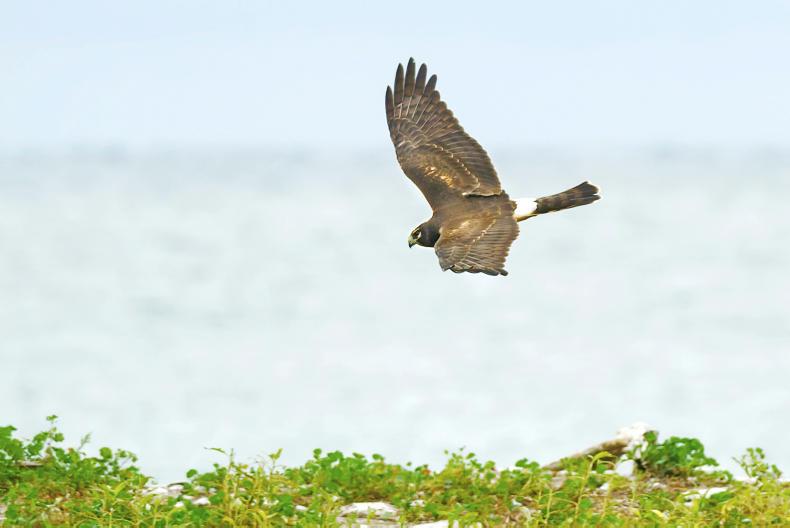
The report authors said that of the raptor species confirmed to have died as a result of direct human impact in 2018, the most frequent casualty was the common buzzard (10), followed by the peregrine falcon (five), red kite (three), hen harrier (two), long-eared owl (two), barn owl (two), sparrowhawk (one), kestrel (one), and merlin (one).
Striking incidents
What was striking about incidents in 2018, the report said, was the number of cases that occurred in tandem or in close proximity, according to the report.
These included two hen harriers, a male and a female from separate breeding pairs, which were shot within the same 10km area and three common buzzards poisoned (and mutilated after death) at one incident in Cork.
Members of the public are asked to contact their local NPWS office with any information regarding poisoning or persecution incidents of raptors.
Read more
€156,000 in second round of hen harrier payments
Hen Harrier scheme to accept all applicants






SHARING OPTIONS