


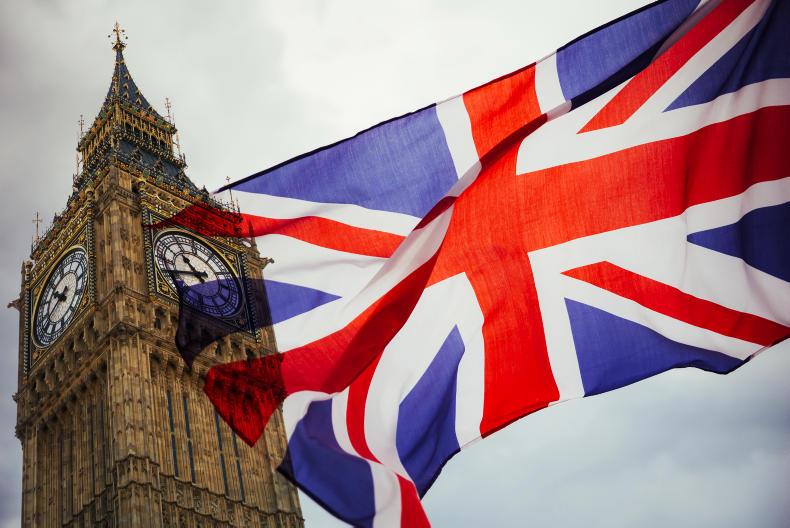
The decision by the UK government to contest the elections to the European Parliament is an acceptance that Brexit cannot be achieved before 30 June. There simply isn’t enough time to complete the process even if parliamentary approval was secured, so the UK is obliged to participate in elections to the European Parliament, which neither the governing Conservative Party nor the opposition Labour Party wants.
Elections
The election will be held on Thursday 23 May and the new parliament is due to convene early in July. Meanwhile, discussions have been ongoing this week between the Conservatives and Labour on putting together a proposal that parliament might approve. However, all indications are that agreement remains a long way off and parliament, as well as both parties, remains completely divided on how the UK should leave the EU.
Ultimately, the final departure date that was agreed in the special heads of state meeting in April is 31 October. Pushing the date back until that point has meant that Brexit has dropped as a major news issue, having dominated for the first quarter of 2019.
More uncertainty for farmers
Irish farmer interest in Brexit is driven by the implications for sales to our main export market for agri produce. Thursday 31 October may appear a long way off but the reality is that the UK still doesn’t know what type of Brexit it will pursue and the options remain as they have been since November: to leave with no deal at all or accept the withdrawal agreement that has been rejected by parliament.
Having missed two departure dates already, there is always the possibility of the UK securing a further extension in October but that process becomes more complicated as the EU is coming to the end of its 2014-2020 budget term. The EU works on a seven-year budget cycle known as the multiannual financial framework (MFF) and the UK was already signed up and agreed to the end of the current term in 2020.
Uncharted territory
The entire Brexit process is uncharted territory for the EU and it remains to be seen if a further extension would be granted with the UK continuing as a member on a pay-as-you-go basis. For Irish farmers, maintenance of the status quo in relation to UK market access is what is important and there is no better way of achieving this than continued UK membership of the EU. However, from a UK political perspective and indeed for many EU countries, this will be difficult to maintain beyond this year.
All of this means for farmers that the only certainty over coming weeks and perhaps months is further uncertainty. This has been the cloud that has hung over farming in particular since the referendum in Britain almost three years ago in June 2016.



SHARING OPTIONS