


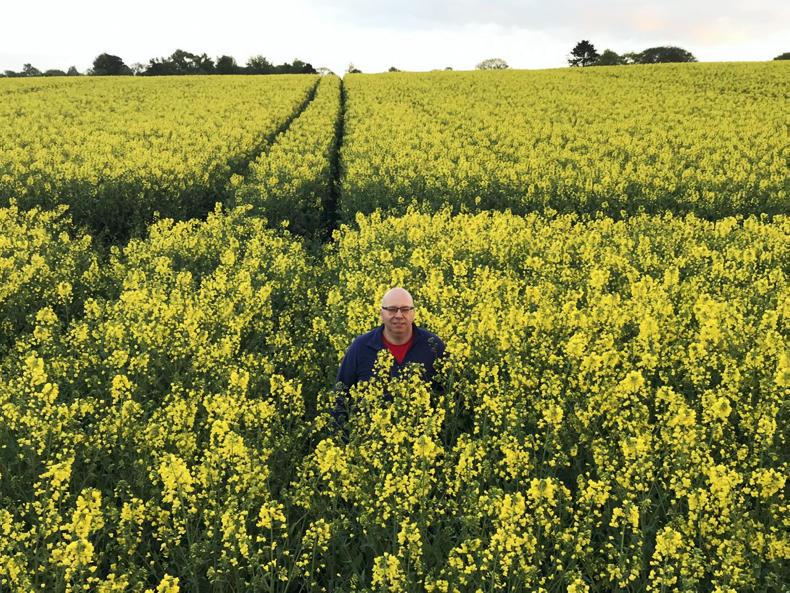
We finished sowing spring barley on the last day of April. There have been just enough light showers of rain to keep the crop nice and green, but we could really do with a good soaking. The rain seems to work its way up the country, but fizzles out before it gets to Aberdeen.
However, my main bugbear at the moment is Natural England removing the general licence which allows the shooting of crows, pigeons, magpies, etc.
This only affects England at present, but the devolved administrations have a habit of copying if it seems warm and cuddly to do so.
Pigeons attacking newly sown crops, crows attacking newborn lambs, magpies attacking young birds – none of this seems to have been considered before Natural England jumped in
It is worrying that an organisation such as Wild Justice – with some high-profile individuals – can effect such a change, without there being any consultation. Natural England panicked in the face of a legal challenge by Wild Justice, instead of first making sure that there were alternatives in place to allow vermin to be controlled.
Pigeons attacking newly sown crops, crows attacking newborn lambs, magpies attacking young birds – none of this seems to have been considered before Natural England jumped in.
Hopefully, the other home nations have a closer relationship with government agencies, so that at least there would be dialogue rather than a knee-jerk reaction.
Representation
It is up to all of us to make sure we have representation at any meetings where the countryside is discussed. There can often be only one farmer among the 50 attendees at a meeting, but it is really important that we maintain a presence to prevent ignorant decisions from being made.
Less homegrown oil means more demand for palm oil
Jeremy Clarkson is a new entrant to arable farming and he had an interesting take on preventing the shooting of pigeons. They had been decimating his crop of oilseed rape, but no shooting means he can only use bangers, kites and statues of John Pertwee.
Last year, he grew enough for 100,000 bottles of vegetable oil. Less homegrown oil means more demand for palm oil. More palm oil means greater destruction of rain forests in Indonesia and Malaysia and less colonies of orangutan.
So do-gooders saving pigeons could be putting an already endangered species at even greater risk. Doesn’t make much sense, does it?
I remember an RSPB man coming to ask if he could tag finches on my land. I said he could, but I wanted to know what the RSPB was going to do about the explosion in the number of raptors, especially buzzards.
He said raptors were protected, so nothing could be done. That wasn’t what I wanted to hear from an organisation which should be protecting all birds, not just some.
I think gamekeepers must have quietly kept control of the numbers in the past. Nowadays, buzzards are everywhere. One farmer told me he counted 27 following his plough.
Unfortunately, there seem to be too many for what food is available through the winter, and you often see weak ones at the side of the road. We really need a balance so that all species can survive.
Otherwise the only nests that Springwatch will be able to show on TV in the future will be crows, magpies, pigeons and buzzards. Let’s hope common sense will prevail.



SHARING OPTIONS