



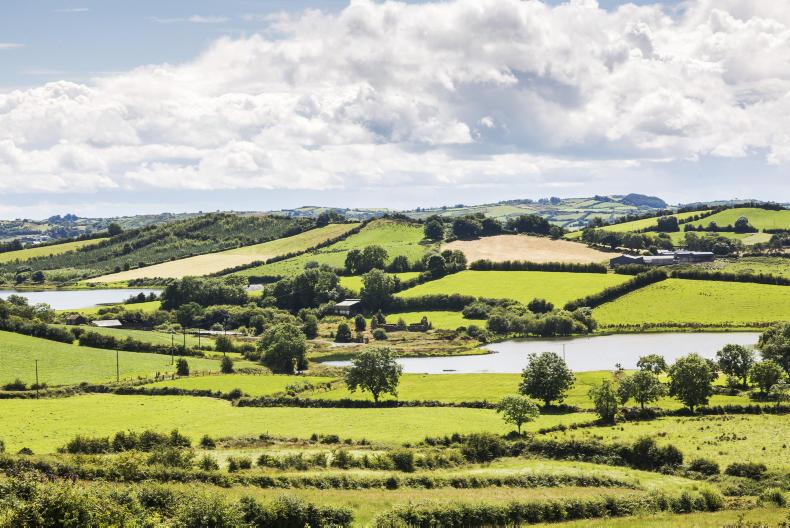
Despite appearances, particularly in winter when there are few other species in leaf, ivy does not strangle hedgerows and trees according to a senior ecologist.
Dr Emma Reeves of Irish consultancy firm Forest, Environmental Research and Services (FERS) said people wrongly demonised ivy due to the perceived negative impact its growth habit has on biodiversity.
Farming practises
She pointed to a change in farming practises that has resulted in the loss or reduction in factors that restricted ivy growth.
“Absence of management and reduced browsing pressure through winter housing of stock - stock wintered out would have browsed ivy and some farmers would have cut it and fed it to stock to supplement fodder supplies.
"It was also fed to cows that had retained the afterbirth to help them expel it. Ivy was traditionally an integral component of the farming system.”
Biodiversity
However, Dr Reeves said in the absence of ivy, the spatial and species diversity and the benefits of hedgerows would be dramatically reduced.
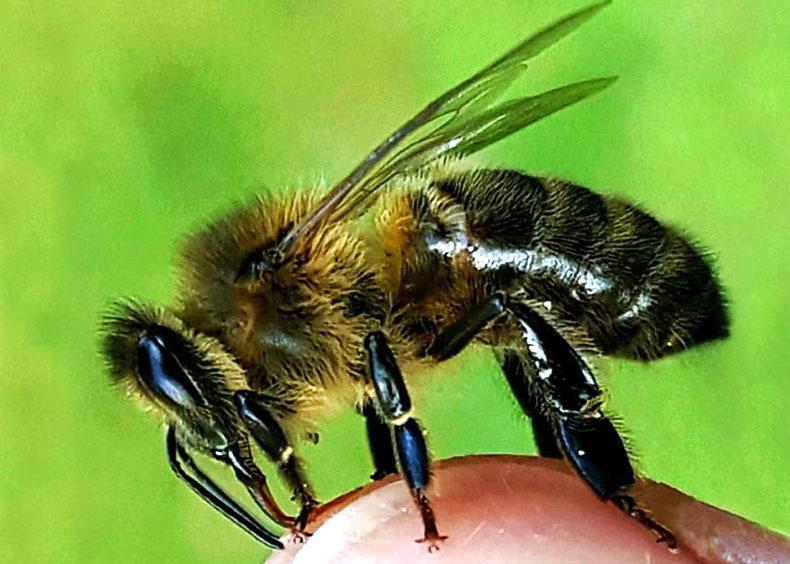
Ivy is a key plant for the native Irish bee population, according to Dr Reeves, as it produces pollen at a time of the year when there are few other flowering plants.
Experienced beekeeper Alan Forskitt said: “Our native honey bees have evolved to utilise this late-autumn crop and without it would find it difficult to survive our long damp winters.”
A number of birds and mammals also utilise ivy.
Dr Reeves said animals such as the pine marten, brown long-eared and Leisler’s bat and the yellowhammer all found uses in ivy, whether it be cover, a food supply or nesting areas.
Climate
“Given the recent declaration of a climate crisis and the role which agricultural practises play in the carbon emissions of Ireland, the removal of ivy from hedgerows would represent a significant damaging impact on the usefulness of this habitat type in mitigating against CO2 emissions and climate change,” Dr Reeves stressed.
She said while ivy was an invasive species in North America, it was native to Ireland and where hedgerows were managed through incremental trimming and periodic rejuvenation, it could exist in harmony with agriculture.




SHARING OPTIONS