


Teagasc presented some new research data at its national dairy calf-to-beef open day in Johnstown Castle this week.
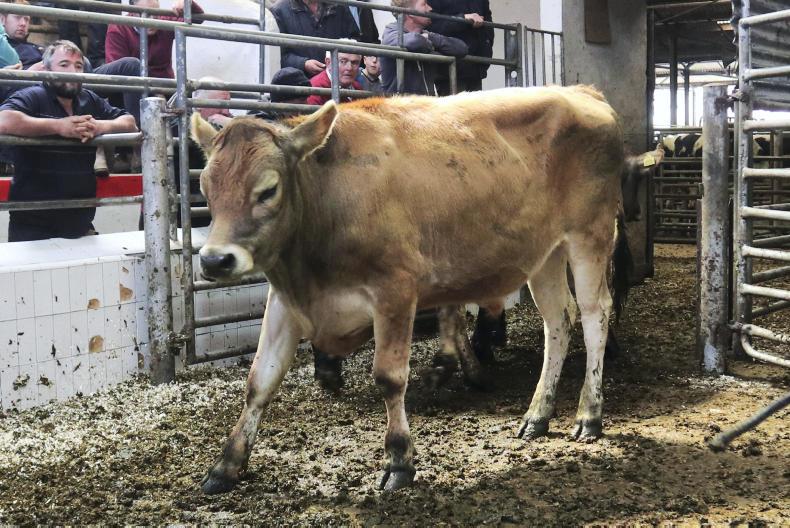
One of the talks on genetics focused on the role that Jersey genetics have played in the decline in carcase weight and conformation of dairy beef progeny.
Increasing genetic gain in the national dairy herd for milk production and fertility, as well as a move towards smaller-type cows has led to a decline in the beef merit of the Irish dairy herd over the past 10 years.
The annual decrease in genetic merit for carcase weight in Holstein Friesian dams is 0.2kg on average, which equates to a 4kg reduction in carcase weight for a 24-month steer at farm level.
Teagasc recently looked at national carcase data, which shows that as the Jersey proportion of cows increases, the slaughter performance of their resulting beef progeny decreases.
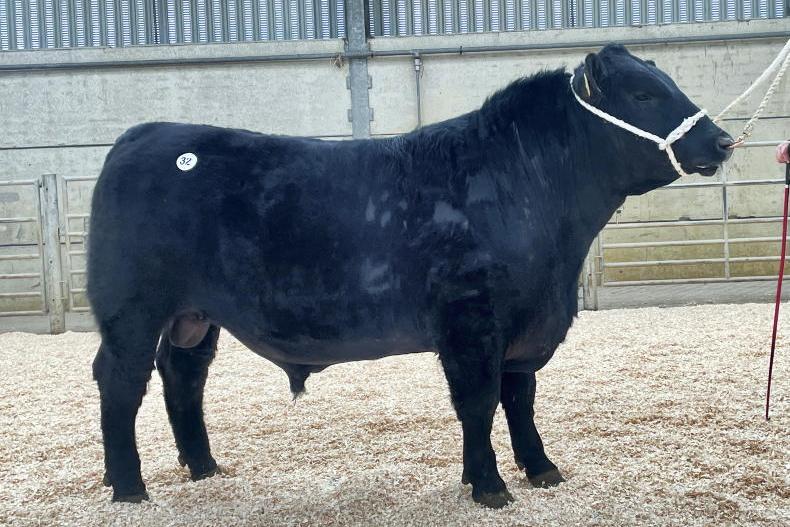
Cows of different breed type (% Jersey proportions in their genetics) were compared with purebred Holstein Friesian cows when mated to an Angus bull. The analysis was carried out on steers slaughtered at 28 months.
Results
The main difference between the different cow types was the carcase weight and age at slaughter, while conformation and fat score were relatively similar regardless of dam type.
If we compare a dam with no Jersey breeding (purebred Holstein Friesian) with a cow that has 50% Jersey breeding, we see a 13kg carcase weight difference when mated with an Angus sire.
The difference in carcase value was €53 for Angus progeny from first-cross dams (50% Jersey) compared with Angus progeny from purebred Holstein Friesian dams. Also, progeny from first-cross dams (50% Jersey) were five days older on average than progeny from purebred Holstein Friesian dams.
Teagasc concluded from its research that current dairy breeding strategies are causing slow erosion of the beef merit in dairy beef progeny but it also found that genetic potential still exists for high-value dairy beef progeny irrespective of dam breed.



SHARING OPTIONS