A large number of marts across the country are controlled by ICOS.
ADVERTISEMENT
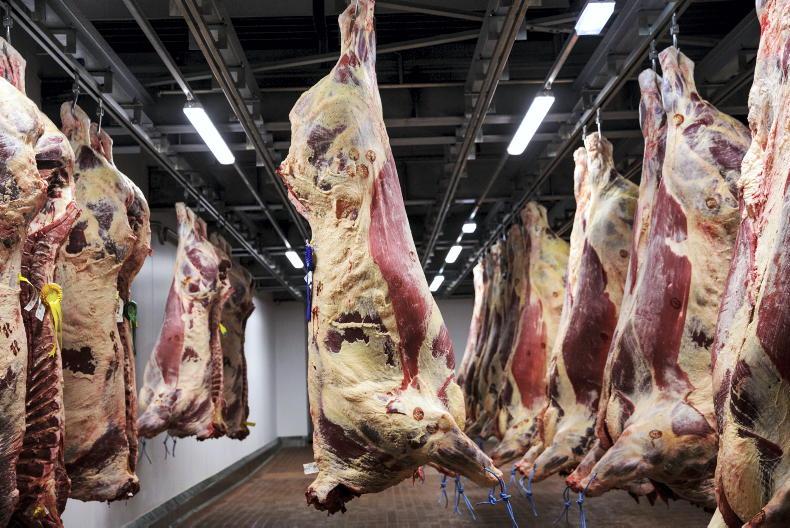
The national marts committee of the Irish Co-Operative Organisation Society (ICOS) has outlined how they feel the €100m beef fund should be implemented.
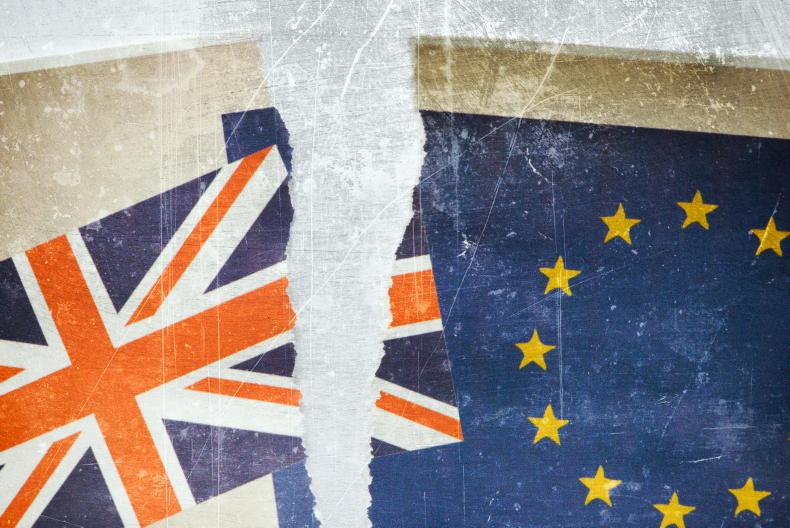
ICOS controls a large number of marts across the country. The €100m fund was announced by Commissioner for Agriculture Phil Hogan to support beef farmers who had experienced cuts to beef prices due to Brexit uncertainty.
However, there has been controversy over the unforeseen addition of the requirement to cut suckler numbers on farms in order to avail of the fund.
ADVERTISEMENT
The five suggestions made by ICOS include:
Beef processor-owned feedlots to be excluded from any compensation.
The maximum compensation allowed is limited to 500 head of cattle over the reference period (October to April) or any extended period agreed by DAFM and the EU Commission.
To protect farmers who traded through the marts, ICOS is proposing a graduated system of compensation extending over a period of 10 weeks pre-slaughter. If any animal was slaughtered within two weeks of purchase in a mart, then 100% of any compensation should be paid to the selling farmer. After this period, any funds should be graduated in weekly instalments to benefit both the seller and the buyer of animals traded in the marts. This will translate into a 12.5% increase for farmers who purchase animals in the mart (up to the maximum level of 10 weeks plus) when all potential compensation is received by the purchasing farmers.
All conditionality on a potential suckler herd reduction is completely rejected by ICOS marts.
The national suckler herd must also receive funding from this package to stabilise the sector as it provides an invaluable source of income and enterprise for rural Ireland. Any potential funds must be "per-calf" produced from the entire national suckler herd.
Ray Doyle, livestock and environmental services executive of ICOS said that it was up to the Department of Agriculture how the fund was implemented.
“With the Animal Identification and Movement system it will be possible to ascertain the ownership and trading history of animals before they have been presented for slaughter. While the funds are finite, their distribution must be fair to all producers in the beef chain,” he said.
This content is available to digital subscribers and loyalty code users only. Sign in to your account, use the code or subscribe to get unlimited access.
The reader loyalty code gives you full access to the site from when you enter it until the following Wednesday at 9pm. Find your unique code on the back page of Irish Country Living every week.
CODE ACCEPTED
You have full access to the site until next Wednesday at 9pm.
CODE NOT VALID
Please try again or contact support.
The national marts committee of the Irish Co-Operative Organisation Society (ICOS) has outlined how they feel the €100m beef fund should be implemented.
ICOS controls a large number of marts across the country. The €100m fund was announced by Commissioner for Agriculture Phil Hogan to support beef farmers who had experienced cuts to beef prices due to Brexit uncertainty.
However, there has been controversy over the unforeseen addition of the requirement to cut suckler numbers on farms in order to avail of the fund.
The five suggestions made by ICOS include:
Beef processor-owned feedlots to be excluded from any compensation.
The maximum compensation allowed is limited to 500 head of cattle over the reference period (October to April) or any extended period agreed by DAFM and the EU Commission.
To protect farmers who traded through the marts, ICOS is proposing a graduated system of compensation extending over a period of 10 weeks pre-slaughter. If any animal was slaughtered within two weeks of purchase in a mart, then 100% of any compensation should be paid to the selling farmer. After this period, any funds should be graduated in weekly instalments to benefit both the seller and the buyer of animals traded in the marts. This will translate into a 12.5% increase for farmers who purchase animals in the mart (up to the maximum level of 10 weeks plus) when all potential compensation is received by the purchasing farmers.
All conditionality on a potential suckler herd reduction is completely rejected by ICOS marts.
The national suckler herd must also receive funding from this package to stabilise the sector as it provides an invaluable source of income and enterprise for rural Ireland. Any potential funds must be "per-calf" produced from the entire national suckler herd.
Ray Doyle, livestock and environmental services executive of ICOS said that it was up to the Department of Agriculture how the fund was implemented.
“With the Animal Identification and Movement system it will be possible to ascertain the ownership and trading history of animals before they have been presented for slaughter. While the funds are finite, their distribution must be fair to all producers in the beef chain,” he said.
If you would like to speak to a member of our team, please call us on 01-4199525.
Link sent to your email address
We have sent an email to your address. Please click on the link in this email to reset your password. If you can't find it in your inbox, please check your spam folder. If you can't find the email, please call us on 01-4199525.
ENTER YOUR LOYALTY CODE:
The reader loyalty code gives you full access to the site from when you enter it until the following Wednesday at 9pm. Find your unique code on the back page of Irish Country Living every week.
SHARING OPTIONS