Local biomass trading centres will be needed across the country to handle wood chip and other fuels. \ John Caffrey
ADVERTISEMENT
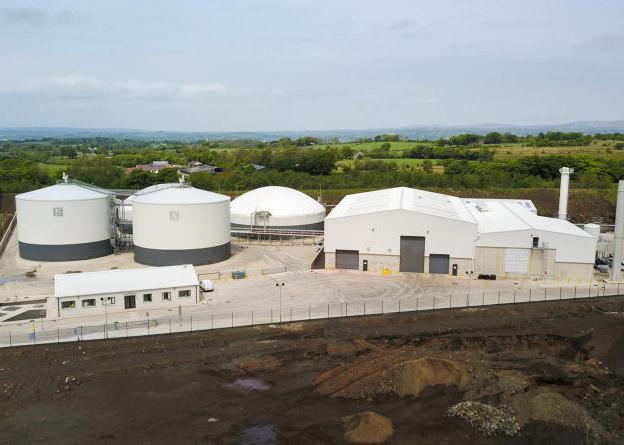
Several participants in the IrBEA workshop on renewable heat urged farmers to form co-ops to handle biomass such as boiler fuels from forestry and energy crops or feedstocks for anaerobic digestion (AD).
Teagasc’s Barry Caslin said demand for the materials was set to boom between heat users supported by the SSRH and power stations under pressure to stop using peat and coal.
ADVERTISEMENT
“Transporting biomass long distances doesn’t make sense from a sustainability perspective, and you can grow it very easily locally,” said Caslin. “It could be a co-op system where farmers come together.” Biomass trading centres would also create employment in rural Ireland, he added.
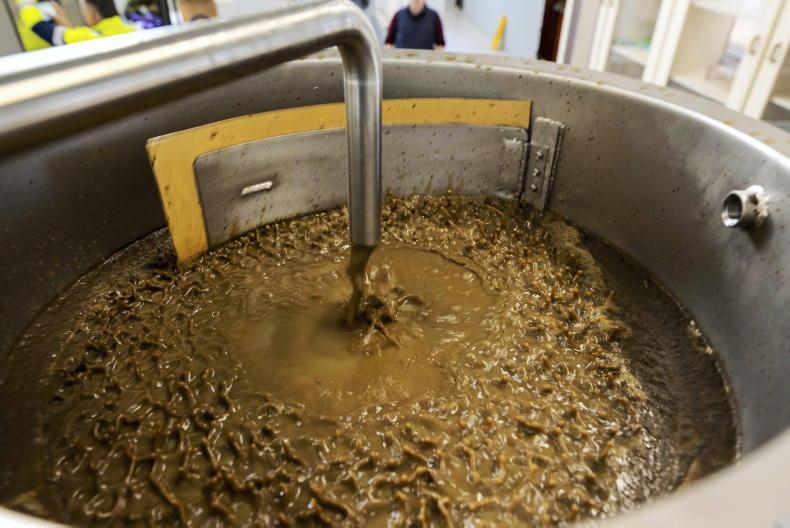
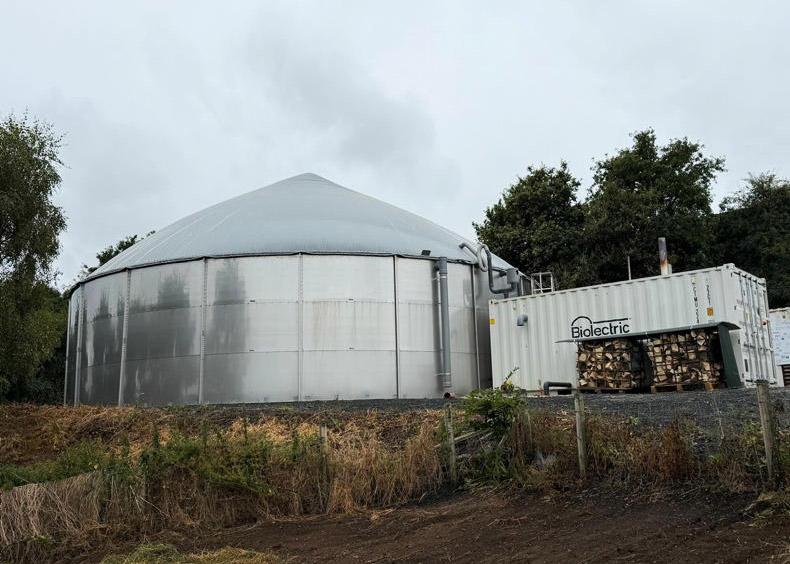
In the AD sector, the high water content of feedstocks such as slurry also means that long-distance transport is not an option. “You’re transporting dead weight,” said AD expert Lalitha Gottumukkala from Celignis labs. “It should be used locally, it could be in co-ops with community digesters.
Unless local supply chains are established, buyers may turn to imports. An ESB representative said the electricity utility expected to have to import biomass for several years once it converts power stations because of insufficient supply in Ireland.
This content is available to digital subscribers and loyalty code users only. Sign in to your account, use the code or subscribe to get unlimited access.
The reader loyalty code gives you full access to the site from when you enter it until the following Wednesday at 9pm. Find your unique code on the back page of Irish Country Living every week.
CODE ACCEPTED
You have full access to the site until next Wednesday at 9pm.
CODE NOT VALID
Please try again or contact support.
Several participants in the IrBEA workshop on renewable heat urged farmers to form co-ops to handle biomass such as boiler fuels from forestry and energy crops or feedstocks for anaerobic digestion (AD).
Teagasc’s Barry Caslin said demand for the materials was set to boom between heat users supported by the SSRH and power stations under pressure to stop using peat and coal.
“Transporting biomass long distances doesn’t make sense from a sustainability perspective, and you can grow it very easily locally,” said Caslin. “It could be a co-op system where farmers come together.” Biomass trading centres would also create employment in rural Ireland, he added.
In the AD sector, the high water content of feedstocks such as slurry also means that long-distance transport is not an option. “You’re transporting dead weight,” said AD expert Lalitha Gottumukkala from Celignis labs. “It should be used locally, it could be in co-ops with community digesters.
Unless local supply chains are established, buyers may turn to imports. An ESB representative said the electricity utility expected to have to import biomass for several years once it converts power stations because of insufficient supply in Ireland.
If you would like to speak to a member of our team, please call us on 01-4199525.
Link sent to your email address
We have sent an email to your address. Please click on the link in this email to reset your password. If you can't find it in your inbox, please check your spam folder. If you can't find the email, please call us on 01-4199525.
ENTER YOUR LOYALTY CODE:
The reader loyalty code gives you full access to the site from when you enter it until the following Wednesday at 9pm. Find your unique code on the back page of Irish Country Living every week.
SHARING OPTIONS