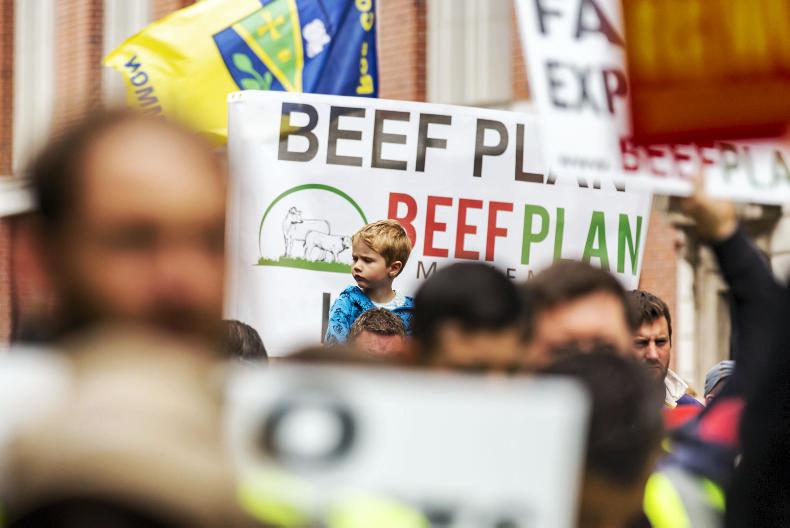
It feels like I’ve got in a time machine and landed in 2014. There’s a beef crisis back in town. The 2019 version has low prices but with the added extras of Brexit and, since last week, a Mercosur deal. These threats hang like a trident over the sector.
Of the international issues affecting Irish beef, Brexit, while more immediate, is also more unpredictable. There is more certainty to what the South Americans want. It’s sort of a reversal of the comedy stereotypes if you like.
For there to be success in alleviating the threat posed by the Mercosur deal, there will have to be some serious work done in the corridors of power in Europe. Irish politicians will have their work cut out. Alliances will have to be formed but one should bear in mind that in all successful partnerships there must be give and take. If Ireland is alone in feeling the pain from this deal, than things will look bleak. However, if allies can be found, there may be a more positive outcome. While there was a nervousness in farming circles at the “green wave” that occurred during the recent EU elections, the Greens’ line of thinking may ultimately work in European farmers’ favour. It’s no mean task though.
Perspective
To put a bit of perspective on the challenge ahead, you must look at our position within Europe. The population of Ireland makes up 0.01% of the EU, while Germany has the largest population. The 83m German citizens make up 16% of the EU’s population. If Brexit takes place, our proportion of the EU population remains the same, while Germany’s rises by 2.5% taking it close to having one-fifth of EU citizens.
In 2018, the value of German tractor exports alone was about €8.5bn. That figure equates to more than the combined value of Irish dairy, meat and livestock exports and puts a context on where Ireland is globally.
Tractor manufacturing is a small cog in the German’s industrial wheel and compared with us they have multiples of people who depend on providing goods and services for employment.
Europe demands high environmental standards and food traceability so farmer anger is understandable. This deal comes across as very hypocritical but the arguments are very complex. I recall reading that up to 90% of the soya bean and maize products that are imported into Ireland come from Argentina, Brazil, and the US. So I’d be wary about playing the concern about clearing the Amazon rainforest for beef production when it’s also cleared for soya and grains. Bear in mind we have a biodiversity issue at home too.
Argentina, Brazil, Paraguay and Uruguay are all part of the top 10 beef-exporting countries in the world. Ireland ranks higher than three of them but most Irish beef goes to the EU. Our beef would be a more logical move with the current climate agenda, but that’s not how trade always works.
Sucklers
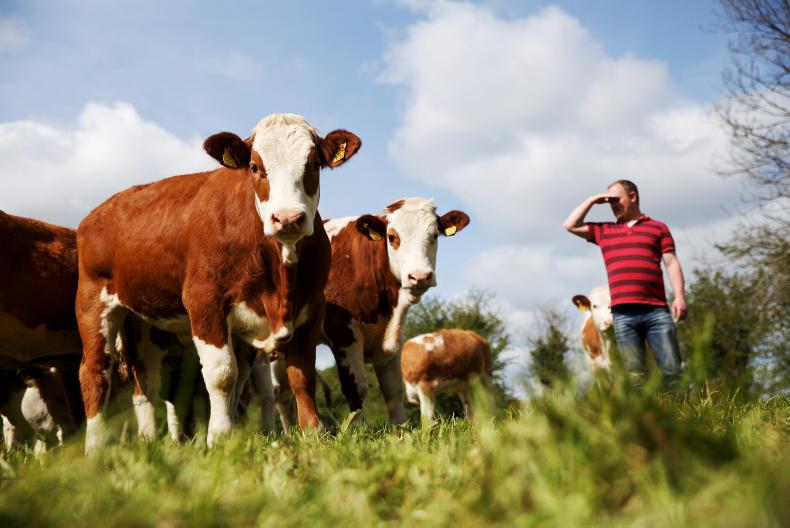
The Irish suckler herd will most likely feel the most pressure but that’s nothing new. If the trade deal were implemented as it stands, the ongoing contraction of the Irish suckler herd due to lack of profitability and successors would merely speed up.
While Mercosur creates opportunities for dairy, it will also create a headache for the sector, because a collapse in beef price will inevitably reduce the value of dairy bull calves. As irrelevant as those animals may be on dairy farms, their welfare is paramount in upholding the image of the sector.
These current threats could be the catalysts required to instigate change in the Irish beef sector. But that’s probably wishful thinking.
Read more
Farmer Writes: wandering bull turns up lame
Farmer Writes: the curious case of the wandering bull
Farmer Writes: bridging the disconnect between farmers and the rest
It feels like I’ve got in a time machine and landed in 2014. There’s a beef crisis back in town. The 2019 version has low prices but with the added extras of Brexit and, since last week, a Mercosur deal. These threats hang like a trident over the sector.
Of the international issues affecting Irish beef, Brexit, while more immediate, is also more unpredictable. There is more certainty to what the South Americans want. It’s sort of a reversal of the comedy stereotypes if you like.
For there to be success in alleviating the threat posed by the Mercosur deal, there will have to be some serious work done in the corridors of power in Europe. Irish politicians will have their work cut out. Alliances will have to be formed but one should bear in mind that in all successful partnerships there must be give and take. If Ireland is alone in feeling the pain from this deal, than things will look bleak. However, if allies can be found, there may be a more positive outcome. While there was a nervousness in farming circles at the “green wave” that occurred during the recent EU elections, the Greens’ line of thinking may ultimately work in European farmers’ favour. It’s no mean task though.
Perspective
To put a bit of perspective on the challenge ahead, you must look at our position within Europe. The population of Ireland makes up 0.01% of the EU, while Germany has the largest population. The 83m German citizens make up 16% of the EU’s population. If Brexit takes place, our proportion of the EU population remains the same, while Germany’s rises by 2.5% taking it close to having one-fifth of EU citizens.
In 2018, the value of German tractor exports alone was about €8.5bn. That figure equates to more than the combined value of Irish dairy, meat and livestock exports and puts a context on where Ireland is globally.
Tractor manufacturing is a small cog in the German’s industrial wheel and compared with us they have multiples of people who depend on providing goods and services for employment.
Europe demands high environmental standards and food traceability so farmer anger is understandable. This deal comes across as very hypocritical but the arguments are very complex. I recall reading that up to 90% of the soya bean and maize products that are imported into Ireland come from Argentina, Brazil, and the US. So I’d be wary about playing the concern about clearing the Amazon rainforest for beef production when it’s also cleared for soya and grains. Bear in mind we have a biodiversity issue at home too.
Argentina, Brazil, Paraguay and Uruguay are all part of the top 10 beef-exporting countries in the world. Ireland ranks higher than three of them but most Irish beef goes to the EU. Our beef would be a more logical move with the current climate agenda, but that’s not how trade always works.
Sucklers
The Irish suckler herd will most likely feel the most pressure but that’s nothing new. If the trade deal were implemented as it stands, the ongoing contraction of the Irish suckler herd due to lack of profitability and successors would merely speed up.
While Mercosur creates opportunities for dairy, it will also create a headache for the sector, because a collapse in beef price will inevitably reduce the value of dairy bull calves. As irrelevant as those animals may be on dairy farms, their welfare is paramount in upholding the image of the sector.
These current threats could be the catalysts required to instigate change in the Irish beef sector. But that’s probably wishful thinking.
Read more
Farmer Writes: wandering bull turns up lame
Farmer Writes: the curious case of the wandering bull
Farmer Writes: bridging the disconnect between farmers and the rest





SHARING OPTIONS