It’s summer again and the biggest task just now is saving winter forage.
For us, the main focus is currently on making some good-quality silage and hay, as well as getting brassica crops sown out.
At present, grass yields are high, which means the hours on the wrapper get stretched and the available space at the stack gets tight.
The niggling fear is that quality will be compromised, and that will only be relieved (hopefully) when the analysis results are in. But big yields mean gut fill is assured so that is one issue out of the way.
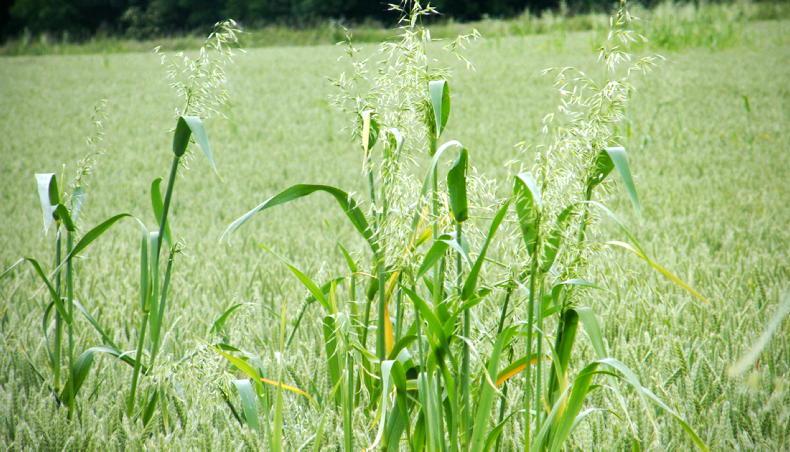
The fields that grew stubble turnips last year have been the subject of experimentation this year. Instead of just sowing out in grass, we have used an undersown arable silage mix with barley, oats and peas. They look like reasonable crops, which will be mown when the grains reach the pulpy stage, to provide high-quality feed for calves.
The cattle are all looking in good form. It has been a kind year for them and they are taking full advantage. The calves will get their first weigh when the bulls come out at the start of August.
There are four 15-month-old heifers being bulled as well, and they will get split away from the cows at that stage. I intend to strip-graze them on silage aftermath alongside the weaned autumn-born calves, with the aim to keep their growth rates high.
The calving went well this year, with only one cow out of 50 needing slight assistance and one calf succumbing to meningitis.
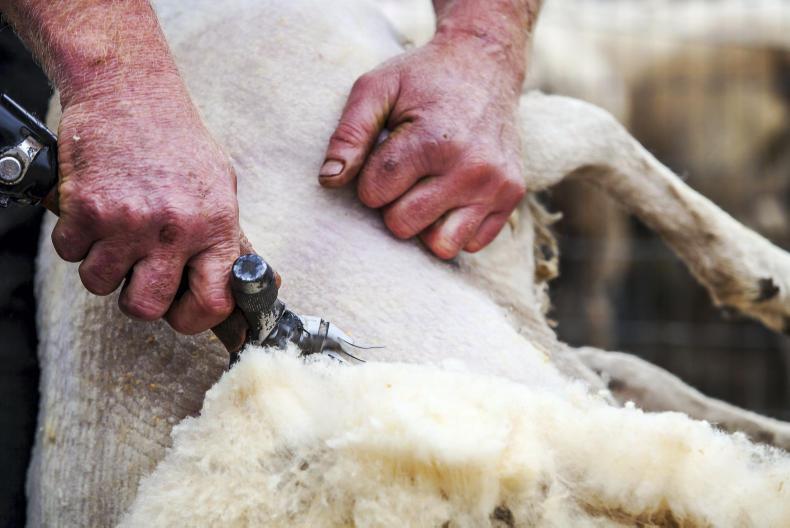
Hoggs are clipped, with contractors used this time around. They provided their own wool handler which was grand apart from one thing – I can’t shift the wool sheets. How she managed to put 80 odd Lleyn hogg fleeces in each sheet is beyond me. At about 200kg per sheet, to get them moved, the loader is required. I do applaud the effort though as it keeps haulage costs to a minimum.
Rotational
The ewes are almost all on a rotational grazing-style system. Sadly, we’ve not got the capital available to go splitting fields and putting in new watering systems to do the grazing system quite as we would like.
What we have done is try to mob the ewes up into batch sizes that we can handle and move them around the fields as best we can.
But the benefits of rotational grazing are clear, with many of the lambs doing over 330g/day and the best achieving well over 400g/day. The average twin is doing 50g/day more in this system than set stocking, so it is worth the effort.
Accident
You may have noticed that I’ve not written an article for a while. This is due to having a serious accident at work in December.
I spent Christmas in hospital having been flown there several days before by Air Ambulance with a fractured skull and two bleeds on the brain.
Today is not the time to go into the details of what happened or the lasting effects, but it is the time to remind everyone that first aid training, as well as mindfulness of health and safety, is never a cost – it’s an investment in yourself and those who surround you.
The last six months have been hugely challenging to my family and I, and without the constant assistance of friends, colleagues, neighbours and everyone else involved I’m unsure how we would have coped. To those people – thank you. On the bright side, at least now I know I’ve a brain.
Read more
Recent rain is welcome in Lanarkshire
Farmer Writes: tales to be told from a visit down under
It’s summer again and the biggest task just now is saving winter forage.
For us, the main focus is currently on making some good-quality silage and hay, as well as getting brassica crops sown out.
At present, grass yields are high, which means the hours on the wrapper get stretched and the available space at the stack gets tight.
The niggling fear is that quality will be compromised, and that will only be relieved (hopefully) when the analysis results are in. But big yields mean gut fill is assured so that is one issue out of the way.
The fields that grew stubble turnips last year have been the subject of experimentation this year. Instead of just sowing out in grass, we have used an undersown arable silage mix with barley, oats and peas. They look like reasonable crops, which will be mown when the grains reach the pulpy stage, to provide high-quality feed for calves.
The cattle are all looking in good form. It has been a kind year for them and they are taking full advantage. The calves will get their first weigh when the bulls come out at the start of August.
There are four 15-month-old heifers being bulled as well, and they will get split away from the cows at that stage. I intend to strip-graze them on silage aftermath alongside the weaned autumn-born calves, with the aim to keep their growth rates high.
The calving went well this year, with only one cow out of 50 needing slight assistance and one calf succumbing to meningitis.
Hoggs are clipped, with contractors used this time around. They provided their own wool handler which was grand apart from one thing – I can’t shift the wool sheets. How she managed to put 80 odd Lleyn hogg fleeces in each sheet is beyond me. At about 200kg per sheet, to get them moved, the loader is required. I do applaud the effort though as it keeps haulage costs to a minimum.
Rotational
The ewes are almost all on a rotational grazing-style system. Sadly, we’ve not got the capital available to go splitting fields and putting in new watering systems to do the grazing system quite as we would like.
What we have done is try to mob the ewes up into batch sizes that we can handle and move them around the fields as best we can.
But the benefits of rotational grazing are clear, with many of the lambs doing over 330g/day and the best achieving well over 400g/day. The average twin is doing 50g/day more in this system than set stocking, so it is worth the effort.
Accident
You may have noticed that I’ve not written an article for a while. This is due to having a serious accident at work in December.
I spent Christmas in hospital having been flown there several days before by Air Ambulance with a fractured skull and two bleeds on the brain.
Today is not the time to go into the details of what happened or the lasting effects, but it is the time to remind everyone that first aid training, as well as mindfulness of health and safety, is never a cost – it’s an investment in yourself and those who surround you.
The last six months have been hugely challenging to my family and I, and without the constant assistance of friends, colleagues, neighbours and everyone else involved I’m unsure how we would have coped. To those people – thank you. On the bright side, at least now I know I’ve a brain.
Read more
Recent rain is welcome in Lanarkshire
Farmer Writes: tales to be told from a visit down under





SHARING OPTIONS