



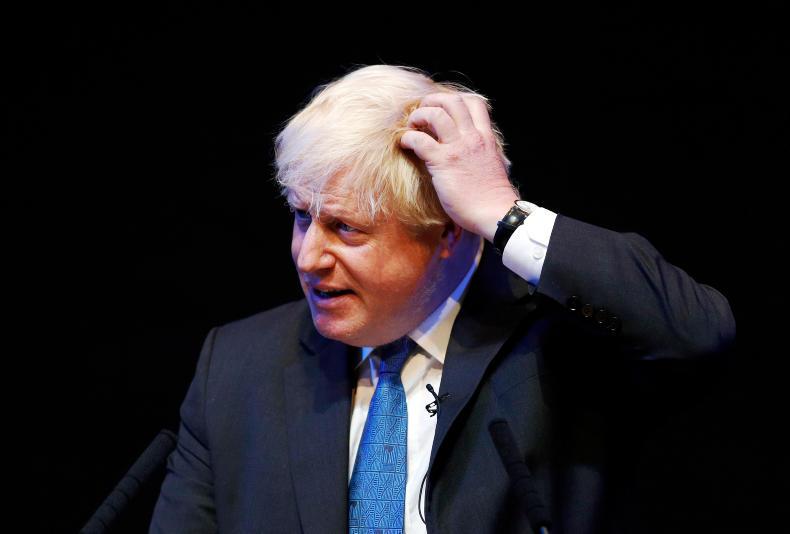
The border in Ireland, the only place where the EU and UK are physically connected after Brexit, featured in the new UK prime minister’s first speech after taking office.
In it, he said: “I am convinced that we can do a deal without checks at the Irish border, because we refuse under any circumstances to have such checks, and yet without that anti-democratic backstop…”
Choices
For this to become a reality, one of two things has to happen; either the UK has to accept the withdrawal agreement or the EU has to cave in to the UK Brexit demand to effectively allow participation in the single market on an à la carte basis, ie the UK chooses the bits of the EU it want to participate in and opt out of the rest.
The UK, of course, will have discretion after Brexit to do what it wants with access across the border to Northern Ireland and it has already said that it will be open.
The EU single market on the other hand is built on the four pillars of freedom of movement for people, goods, services and capital between member states. Any deal with the UK that allowed business as usual without adherence to these would send a message to other member states that it was possible to pick and choose, therefore making the single market redundant.
Difference in single and common market
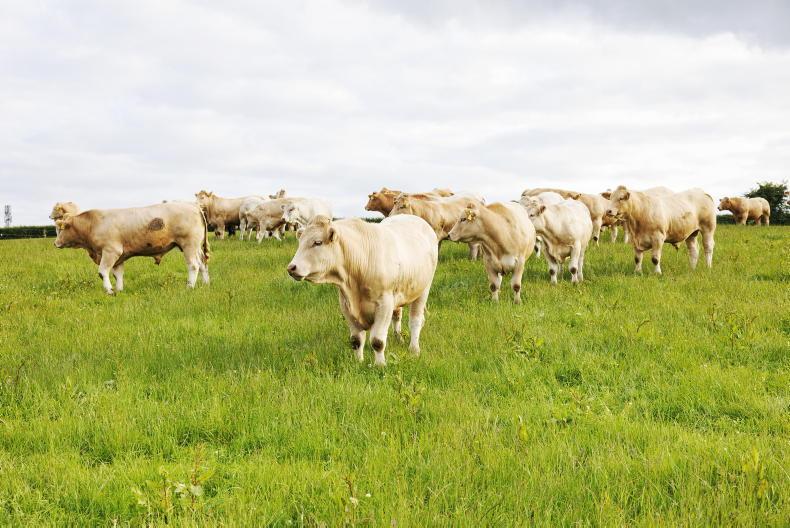
Before the single market in 1993, there was a “common market” where members had a single tariff structure for external trade and no tariff on trade between members. However, sanitary and phytosanitary (SPS) controls, which are basically production standards, were maintained at member state level. Therefore, to send a load of beef from Omagh, Co Tyrone, to Ballymahon, Co Longford, meant loading the lorry under veterinary supervision, with a seal applied once the load was complete and a veterinary certificate was signed to accompany the load.
When it arrived, the vet at the receiving factory checked the certificate, broke the seal and made a visual inspection of the load. That is the difference between a common market with free trade and a single market.
The reality is that a no-deal Brexit means a hard border on the island of Ireland unless the EU decides to change its rules on the single market which is unlikely.
The alternative is the withdrawal agreement and the hope is that a form of words can be found that the new UK prime minister can accept. Otherwise, it is economic disaster, particularly for farmers in Ireland and indeed the UK.


SHARING OPTIONS