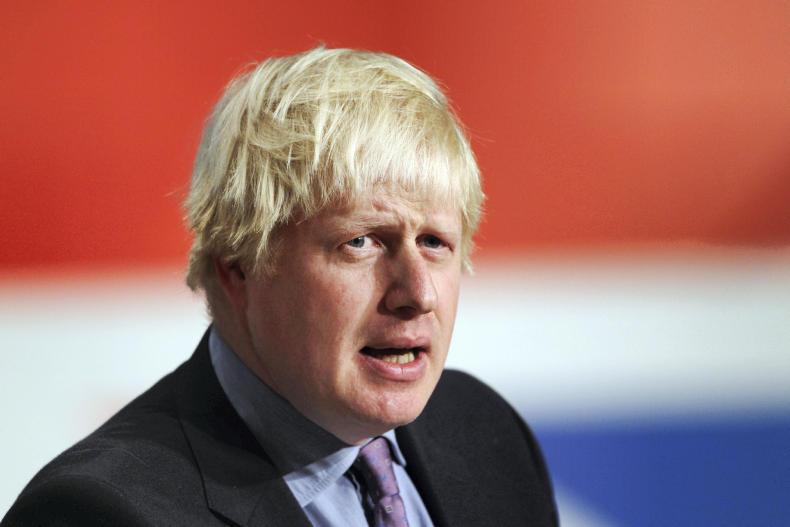
The problem of how agri-food trade across the Irish border might work after Brexit is to be raised by British Prime Minister Boris Johnson when he meets his Irish counterpart Leo Varadkar next Monday.
Speaking in the House of Commons on Tuesday of this week, Johnson confirmed his intention to tackle the issue when he goes to Dublin.
“We recognise that for reasons of geography and economics, agri-food is increasingly managed on a common basis across the island of Ireland.
“I will be discussing it with the Taoiseach Leo Varadkar when I see him in Dublin on Monday,” he said.
He also acknowledged that any solution would have to enjoy “the consent of all parties”, but his comments have been interpreted to mean that the British government is open to some form of regulatory alignment across Ireland as a means of replacing the Irish backstop.
Johnson wants the current backstop proposal removed, mainly because it effectively locks all of the UK into a customs union with the EU, limiting the British ability to do its own trade deals.
The concern for farmers across Ireland is that regulatory alignment on the island might allow goods to move freely.
However, if Britain has set its own trade path and brought in goods tariff-free, then the main market outlet for all Irish farmers is severely undermined.
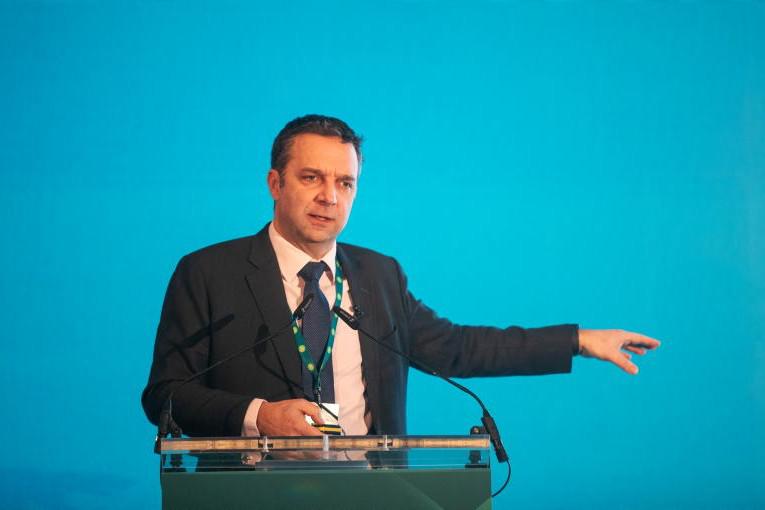
However, a different approach has been suggested by Declan Billington, the chief executive of Thompsons, who sits on an advisory group looking at alternative arrangements to the backstop.
Leaked papers show that he has suggested UK-wide alignment with EU rules and tariffs just for products of animal origin. It would effectively stop the UK market being undermined by cheap food imports.
Read more
Exports to stop overnight in no-deal Brexit
No deal 'would destroy' UK agriculture - Corbyn
The problem of how agri-food trade across the Irish border might work after Brexit is to be raised by British Prime Minister Boris Johnson when he meets his Irish counterpart Leo Varadkar next Monday.
Speaking in the House of Commons on Tuesday of this week, Johnson confirmed his intention to tackle the issue when he goes to Dublin.
“We recognise that for reasons of geography and economics, agri-food is increasingly managed on a common basis across the island of Ireland.
“I will be discussing it with the Taoiseach Leo Varadkar when I see him in Dublin on Monday,” he said.
He also acknowledged that any solution would have to enjoy “the consent of all parties”, but his comments have been interpreted to mean that the British government is open to some form of regulatory alignment across Ireland as a means of replacing the Irish backstop.
Johnson wants the current backstop proposal removed, mainly because it effectively locks all of the UK into a customs union with the EU, limiting the British ability to do its own trade deals.
The concern for farmers across Ireland is that regulatory alignment on the island might allow goods to move freely.
However, if Britain has set its own trade path and brought in goods tariff-free, then the main market outlet for all Irish farmers is severely undermined.
However, a different approach has been suggested by Declan Billington, the chief executive of Thompsons, who sits on an advisory group looking at alternative arrangements to the backstop.
Leaked papers show that he has suggested UK-wide alignment with EU rules and tariffs just for products of animal origin. It would effectively stop the UK market being undermined by cheap food imports.
Read more
Exports to stop overnight in no-deal Brexit
No deal 'would destroy' UK agriculture - Corbyn






SHARING OPTIONS