


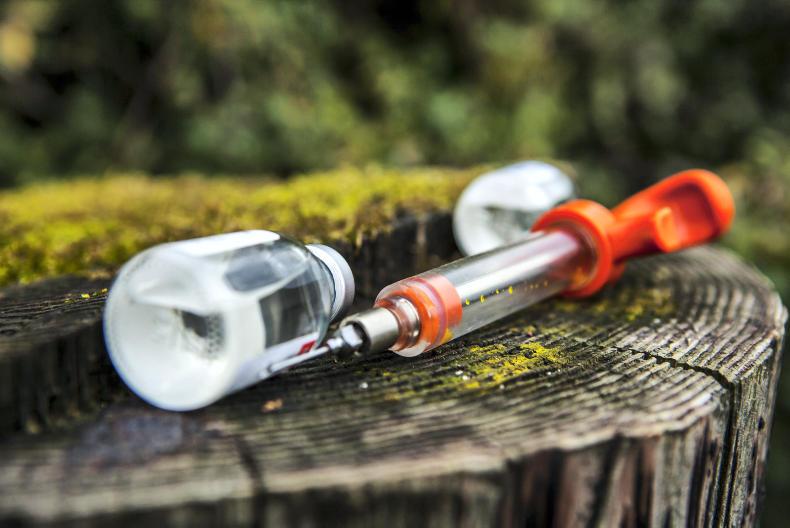
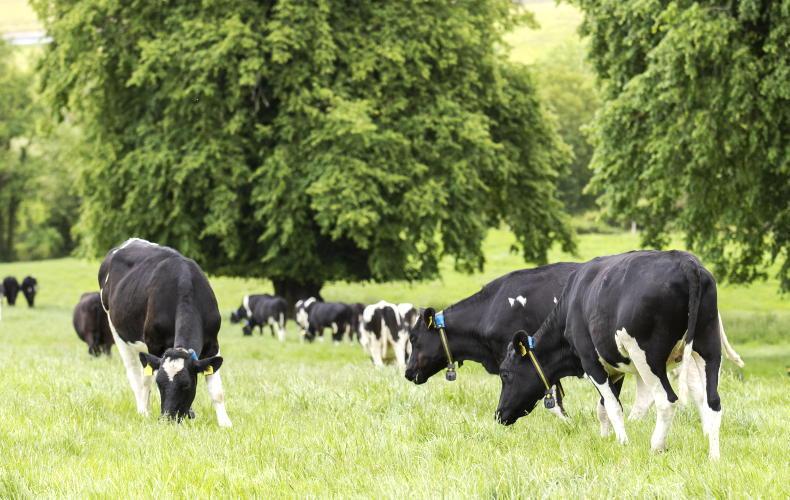
The sale of vaccines for cattle has risen by 35% since 2011, helping to reduce the levels of antibiotics used in animal production. Analysis from Kynetec shows almost 10m doses of vaccines were sold for use in cattle in 2018.
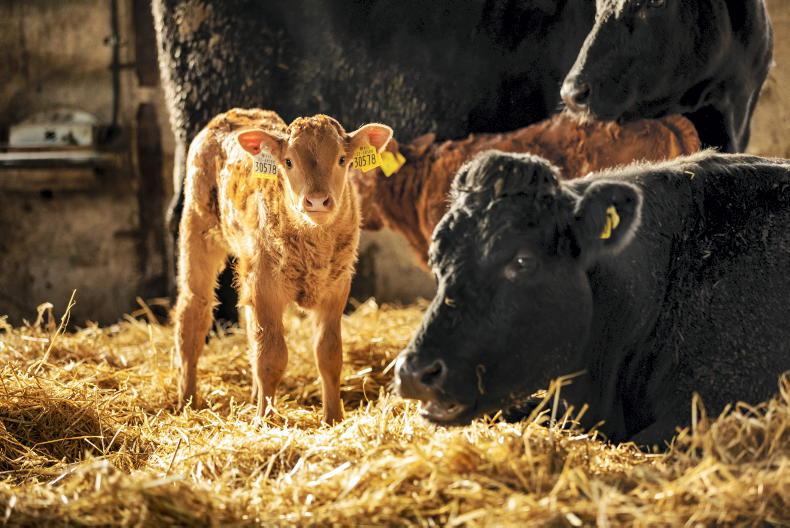
Derek Armstrong, lead vet from AHDB, says the big rise has been in vaccines to protect against pneumonia in calves, a condition many vets would otherwise end up treating with antibiotics.
“Sales here have risen 35% since 2011, with two-fifths of animals receiving vaccinal protection in 2018. Vaccines for infectious bovine rhinotracheitis have also gone up 50% over the same period.”
Prevention is definitely better than cure
Mr Armstrong explains that the increasing trend for respiratory disease prevention is particularly relevant at this time of year, as cattle head into the high-risk, high-stress period around weaning and winter housing.
“Prevention is definitely better than cure – heading off infection with careful nutrition, good ventilation and appropriate vaccination will also increase growth rates, as animals won’t be fighting off infection.”
Other good news is that one in five breeding cows now receives vaccination for calf enteritis, protecting the calf through passive transfer of antibodies in her colostrum. But the data also shows vaccine use to prevent BVD fell to its lowest level since 2011.
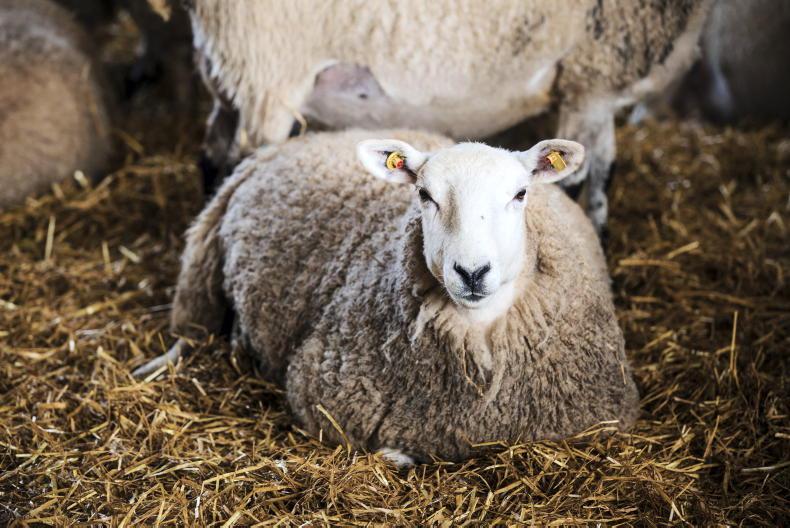
The UK sheep sector also saw the highest uptake of vaccines in over six years, with almost 39m doses sold in 2018.
Chair of the Sheep Antibiotic Guardian Group, Dr Fiona Lovatt, says that for the first time since 2012 over two-thirds of all sheep which should be vaccinated against clostridial diseases were vaccinated, and over half were vaccinated against pasteurella.
It is still only one in four first-time breeding ewes that are protected against toxoplasma
Despite issues with vaccine supply, use of vaccines to protect against abortion have also risen steadily since 2013.
“However, further uptake could deliver significantly improved lambing percentages on-farm. It is still only one in four first-time breeding ewes that are protected against toxoplasma, and two in every five against enzootic abortion.”
Dr Lovatt adds that while sales of foot rot vaccine had been steadily climbing since 2013, there was a small drop in uptake from 15% in 2017 to 13% in 2018, which may have been due to the very dry summer.
The full report on vaccine usage by AHDB will be presented at the RUMA conference in London at the end of the month.



SHARING OPTIONS