


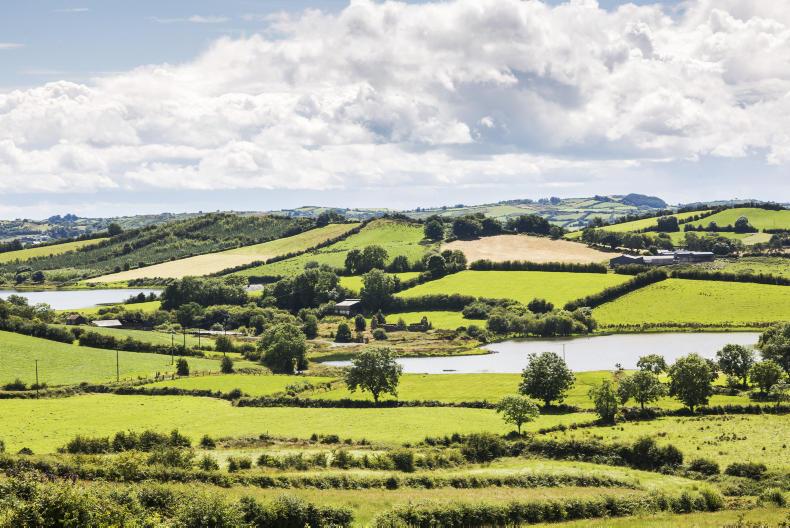
A number of Irish scientists have proposed six principles to support the implementation of “nature-based farming” in the next CAP.
The proposals come from the National Biodiversity Forum which reports to the Minister for Culture and Heritage. It is made up of colleges, landowners, farmers, industry, natural heritage and environmental NGOs.
The CAP4Nature principles set out how the forum believes farming can reduce its impact on biodiversity. It also contains examples of how farms can be managed to increase water quality, carbon storage, soil health, pollinators and pest control.
Principles
The six CAP4Nature principles are:
CAP money
The forum’s chair, Professor Yvonne Buckley of Trinity College Dublin said: “The CAP Strategic Plan represents an important opportunity for Ireland to shape the way it spends money on farming.
“Over the next 12 months, the Department of Agriculture has a unique opportunity to embed ecological principles that improve farmers’ livelihoods by responding to the climate and biodiversity crises. It’s a win-win.”
#CAP4Nature is a new proposal for nature based solutions to the biodiversity, climate and farm income crises. We propose 6 Key Principles for the CAP Strategic Plan, outline the evidence base underpinning them, and illustrate our thinking with examples. https://t.co/MgkqF7wHxu pic.twitter.com/IJBz0iGIn6
— Yvonne Buckley (@y_buckley) October 23, 2019
Dr James Moran, lecturer at Galway-Mayo Institute of Technology said: “The evidence is clear. We know that certain types of farming deliver benefits for the climate, water quality and nature.
“Paying farmers for these benefits can boost farm incomes and improve the wider rural economy, while ensuring that Ireland’s reputation as a green and sustainable country producing high-quality food delivers on its ecological objectives.”
Today sees the new #CAP4Nature website go live in Ireland https://t.co/gLJdrrOe1u outlining 6 key ecological principles to support the design and implementation of sustainable food systems #FutureOfCAP. Includes illustrated examples and links to evidence base pic.twitter.com/kufR2JtsUx
— JAMES MORAN (@MORANEnv) October 23, 2019
Environmental product
Dr John Finn, an ecologist with Teagasc, said farmers were used to higher payments for higher-quality products and the same could apply to environmental benefits.
Finn said: “There are now many examples of effective agri-environment programmes and projects operating across Ireland, including results-based approaches that link payment rates to farmers’ delivery of more demanding ecological targets.
“Farmers and scientists are already working together to maintain farmed environments that protect biodiversity and ecosystem health while also contributing to farm livelihoods.”


SHARING OPTIONS