


CODD
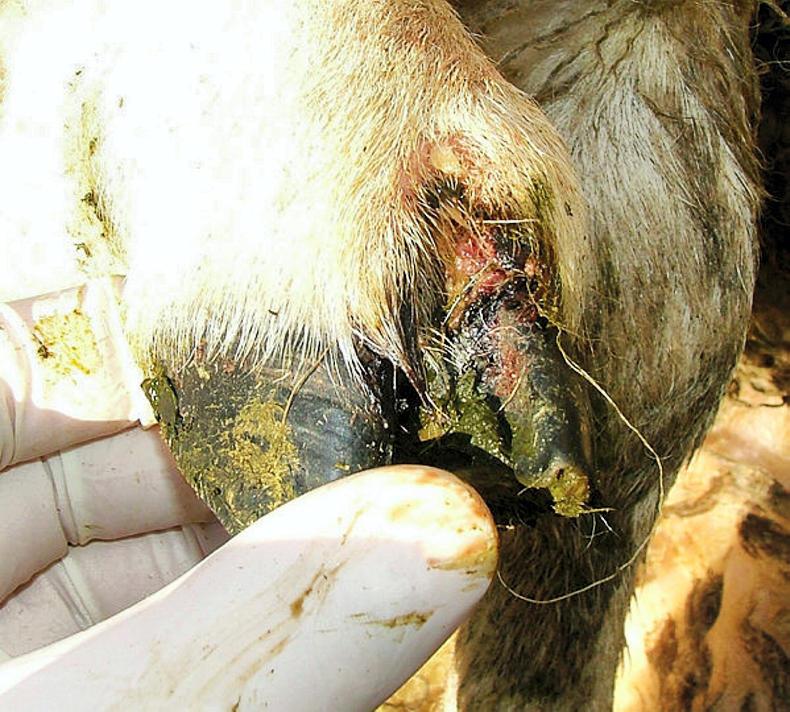
Contagious Ovine Digital Dermatitis (CODD) is a serious ailment that is showing up in an increasing number of flocks. It is often hard to combat due to the fact it is misdiagnosed and treated incorrectly. Antibiotics such as tetracyclines which are effective in treating footrot and footbath solutions used to keep on top of scald are not effective in treating CODD.
Antibiotics which work effectively must be prescribed by your vet. As with all causes of lameness, it will be easier to get on top of the problem where affected sheep are segregated for intensive treatment while monitoring the remainder of the flock. It is characterised by lesions at the coronary band or at the top of the hoof where it meets the hair. It spreads under the hoof wall, with the hoof falling off in advanced cases. It is usually introduced to a flock through purchasing and therefore it is important to be vigilant of the risk.
Calculating grass supplies
There have been a lot of discussions in recent weeks focusing on autumn grassland management and temporary grazing agreements. Some questions have been raised about calculating how long remaining grass supplies will sustain ewes for.
Table 1 is a useful Teagasc guide that details the number of grazing days for a range of grass covers. It is expressed in terms of the overall cover and the average height of grass. Ewes are allocated 1.7kg DM/ha to allow for utilisation in the region of 70% to 75%.
Scanning early lambers
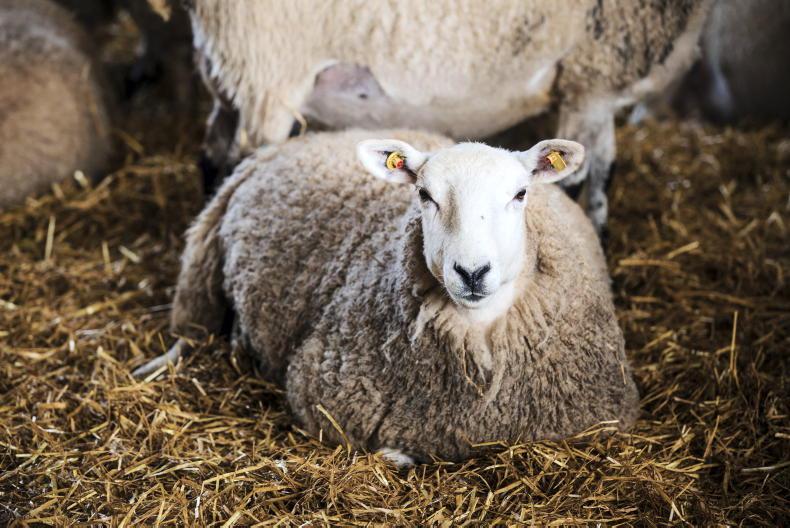
Dates for pregnancy scanning early lambing flocks should be identified and put in the diary. Optimum results can be achieved by scanning ewes 80 days post ram turnout. This time frame will give the best chance of picking up all ewes in lamb and accurately distinguishing litter size. Delaying scanning beyond 90 to 100 days of gestation will make it more difficult to establish litter size, with this generally more of an issue with early lambing ewes which tend to be in strong body condition.
In terms of energy, a 70kg ewe in mid-pregnancy will require 0.8UFL to meet maintenance demands. Looking at it in terms of feed availability, access to a good supply of moderate-quality grass (cleaning off paddocks before closing etc) will meet these demands, as will silage ranging in quality from 67DMD to 70DMD with a dry matter intake of 1kg DM to 1.1kg DM. It is vital, however, that grass supplies earmarked for grazing post-lambing are not used to buy a few extra weeks of feeding now. As ewes enter late pregnancy, the focus should turn to late-pregnancy diets.



SHARING OPTIONS