A farmer who sells a heifer for fattening that is subsequently scanned in-calf, or a farmer who buys a calf that has a different sire to that registered on the blue card have the law on their side.
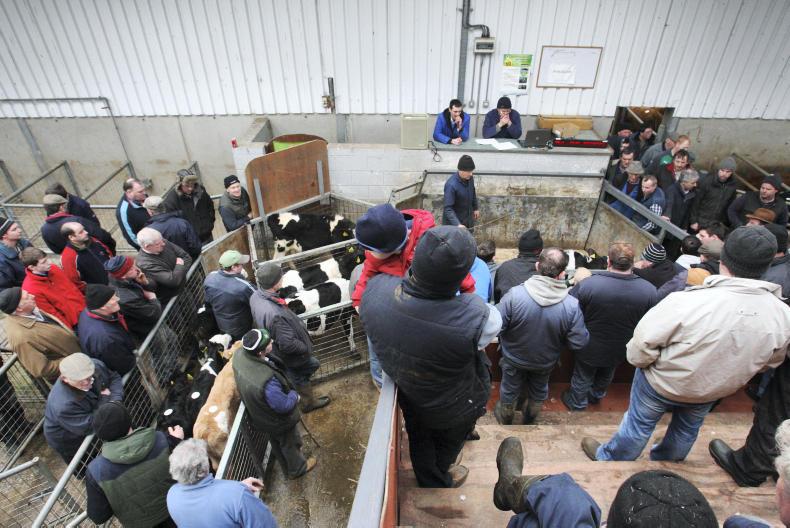
Speaking at the regional IFA dairy calf meetings, Ray Doyle from ICOS was clear that the Sale of Goods Act 1980 means that the animal sold (in the ring, or at a private sale) must do what it says on the tin.
The person who purchased the heifer needs to get a vet to scan the heifer and confirm the pregnancy before going back to the seller
Doyle said: “If you sell a heifer that is supposed to be not in-calf, but after purchase she is scanned in-calf while the purchaser wanted her for fattening, then the seller is going to have to make good the difference.”
The person who purchased the heifer needs to get a vet to scan the heifer and confirm the pregnancy before going back to the seller.
Bull calves
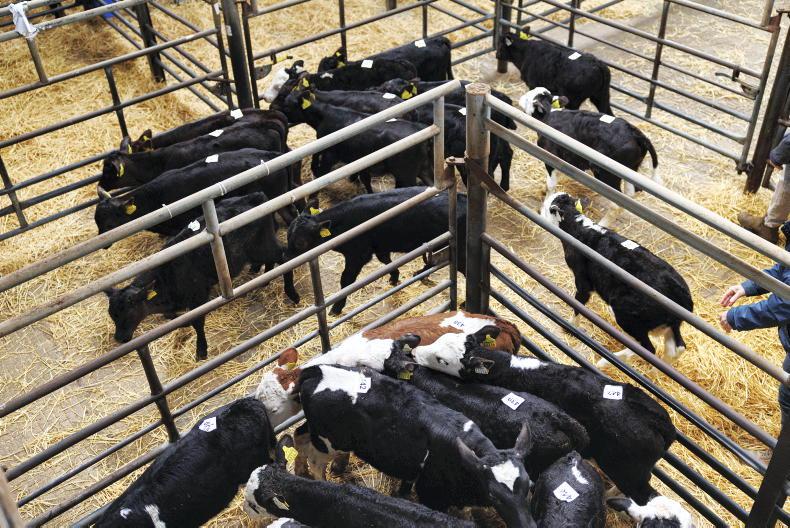
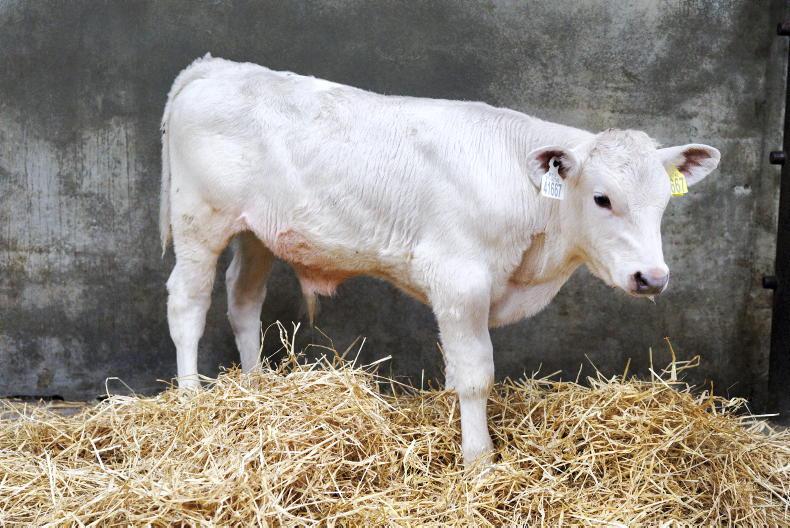
The same way if you purchase a bull calf that is announced as a certain breed and the sire is registered on the blue card as that breed, then it must be that breed. For example, if on the blue card the sire of the calf is registered as AAX (Aberdeen Angus cross), but you confirm with a genotype test that it’s not an Aberdeen Angus, you are on the right side of the Sale of Goods Act 1980 to go back to the seller and seek compensation or retribution.
Speaking to the Irish Farmers Journal this week, Ray Doyle said: “Ignorance is no defence of the law.
While the animal may not be performing as you expect currently the buyer has no come back
"However, you must also remember that only the sire of the calf is on the registration card. So if you assume the dam is Friesian, and she’s not, while the sire listed is correct, then in this instance the seller is correct.
“While the animal may not be performing as you expect currently the buyer has no come back as the dam is not recognised in the registration process.
“The quick win here would be to get the dam (cow) information on the blue card and up on mart boards to inform the purchaser.”
Read more
Industry plan needed for dairy bull calves
A farmer who sells a heifer for fattening that is subsequently scanned in-calf, or a farmer who buys a calf that has a different sire to that registered on the blue card have the law on their side.
Speaking at the regional IFA dairy calf meetings, Ray Doyle from ICOS was clear that the Sale of Goods Act 1980 means that the animal sold (in the ring, or at a private sale) must do what it says on the tin.
The person who purchased the heifer needs to get a vet to scan the heifer and confirm the pregnancy before going back to the seller
Doyle said: “If you sell a heifer that is supposed to be not in-calf, but after purchase she is scanned in-calf while the purchaser wanted her for fattening, then the seller is going to have to make good the difference.”
The person who purchased the heifer needs to get a vet to scan the heifer and confirm the pregnancy before going back to the seller.
Bull calves
The same way if you purchase a bull calf that is announced as a certain breed and the sire is registered on the blue card as that breed, then it must be that breed. For example, if on the blue card the sire of the calf is registered as AAX (Aberdeen Angus cross), but you confirm with a genotype test that it’s not an Aberdeen Angus, you are on the right side of the Sale of Goods Act 1980 to go back to the seller and seek compensation or retribution.
Speaking to the Irish Farmers Journal this week, Ray Doyle said: “Ignorance is no defence of the law.
While the animal may not be performing as you expect currently the buyer has no come back
"However, you must also remember that only the sire of the calf is on the registration card. So if you assume the dam is Friesian, and she’s not, while the sire listed is correct, then in this instance the seller is correct.
“While the animal may not be performing as you expect currently the buyer has no come back as the dam is not recognised in the registration process.
“The quick win here would be to get the dam (cow) information on the blue card and up on mart boards to inform the purchaser.”
Read more
Industry plan needed for dairy bull calves





SHARING OPTIONS