Higher replacement index cows produce less methane
Teagasc researcher Paul Smith presented data on methane emissions from cattle at a trial in the ICBF progeny test centre in Kildare. Shane Murphy reports.
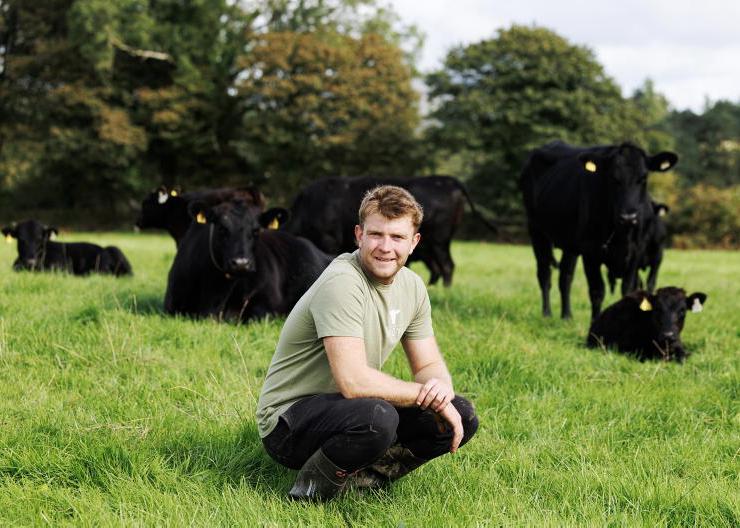
Paul Smith, Teagasc, showing the process of methane production at the ICBF and Sheep Ireland genetics conference.
ADVERTISEMENT
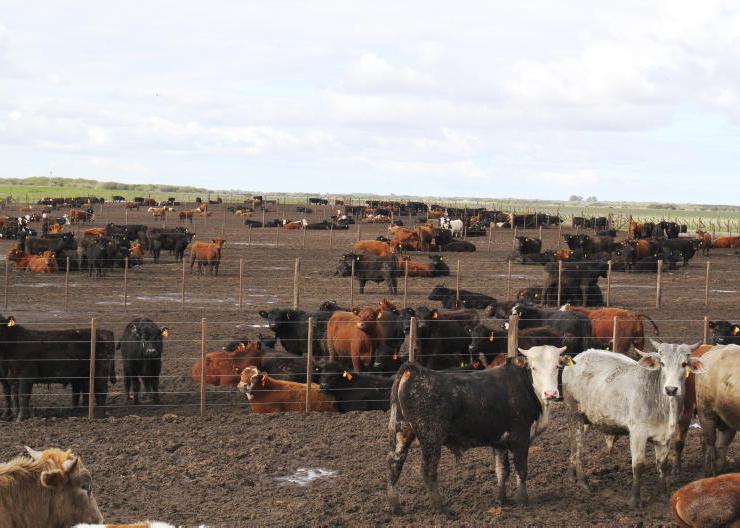
Teagasc researcher Paul Smith explained at this year’s ICBF beef and sheep genetics conference that beef cattle which ranked higher on the replacement index and terminal index emitted less methane.
The data was gathered at the ICBF Tully performance centre, where, along with gathering feed intake and feed conversion data, they also collect estimated enteric methane production data.
Animals on the trial first underwent a training period followed by three weeks of methane data collection.
ADVERTISEMENT
Data
Data showed that heifers on average produced 22.1g of methane per kilogramme of dry matter digested. This increased to 22.3g for steers, 0.7% higher due to the larger size of the steer.
This data is based on animals which weighed on average between 500kg and 520kg with an average age of 16 months.
This data was compiled to aid in animal selection going forward to assist Ireland in meeting international mitigation commitments.
Other possible ways of reaching these commitments is through reducing livestock numbers or the use of supplements through feeds.
This development, combined with earlier finishing, could mean that the Irish suckler herd may not be under as much pressure to reduce to meet climate change objectives as first initially thought.
Register for free to read this story and our free stories.
This content is available to digital subscribers and loyalty code users only. Sign in to your account, use the code or subscribe to get unlimited access.
However, if you would like to share the information in this article, you may use the headline, summary and link below:
Title: Higher replacement index cows produce less methane
Teagasc researcher Paul Smith presented data on methane emissions from cattle at a trial in the ICBF progeny test centre in Kildare. Shane Murphy reports.
The reader loyalty code gives you full access to the site from when you enter it until the following Wednesday at 9pm. Find your unique code on the back page of Irish Country Living every week.
CODE ACCEPTED
You have full access to the site until next Wednesday at 9pm.
CODE NOT VALID
Please try again or contact support.
Teagasc researcher Paul Smith explained at this year’s ICBF beef and sheep genetics conference that beef cattle which ranked higher on the replacement index and terminal index emitted less methane.
The data was gathered at the ICBF Tully performance centre, where, along with gathering feed intake and feed conversion data, they also collect estimated enteric methane production data.
Animals on the trial first underwent a training period followed by three weeks of methane data collection.
Data
Data showed that heifers on average produced 22.1g of methane per kilogramme of dry matter digested. This increased to 22.3g for steers, 0.7% higher due to the larger size of the steer.
This data is based on animals which weighed on average between 500kg and 520kg with an average age of 16 months.
This data was compiled to aid in animal selection going forward to assist Ireland in meeting international mitigation commitments.
Other possible ways of reaching these commitments is through reducing livestock numbers or the use of supplements through feeds.
This development, combined with earlier finishing, could mean that the Irish suckler herd may not be under as much pressure to reduce to meet climate change objectives as first initially thought.
If you would like to speak to a member of our team, please call us on 01-4199525.
Link sent to your email address
We have sent an email to your address. Please click on the link in this email to reset your password. If you can't find it in your inbox, please check your spam folder. If you can't find the email, please call us on 01-4199525.
ENTER YOUR LOYALTY CODE:
The reader loyalty code gives you full access to the site from when you enter it until the following Wednesday at 9pm. Find your unique code on the back page of Irish Country Living every week.
SHARING OPTIONS