Latest water quality trends
The recent EPA Water Quality in Ireland 2013 – 2018 report showed an overall decline of water quality in Ireland. The report highlighted that 52.8% of surface waterbodies are at good or high status, down from the 55.4% recorded for the 2010-2015 period. The main area for concern is rivers, where water quality has declined by 5.5% over this period. Although overall water quality in Ireland compares favourably to the EU average (40%), meeting objectives under the Water Framework Directive, will make the successful implementation of the national River Basin Management Plan (RBMP) all the more crucial.
National strategy for improving water quality
On the back of the RBMP, the Government has decided to adopt a new strategy. This strategy involves a more collaborative approach to facilitate improvements in water quality. The agricultural industry is leading this initiative, with support from all the main farming organisations. The focus of the initiative is to provide a free and confidential advisory service to farms located in river catchments (priority areas for action as shown in Figure 1) identified as having agriculture as the main pressure on water quality. Teagasc is providing 20 advisors and the dairy processing co-ops are providing nine advisors to the programme. Scientific support is also provided by Local Authority Waters Programme (LAWPRO).
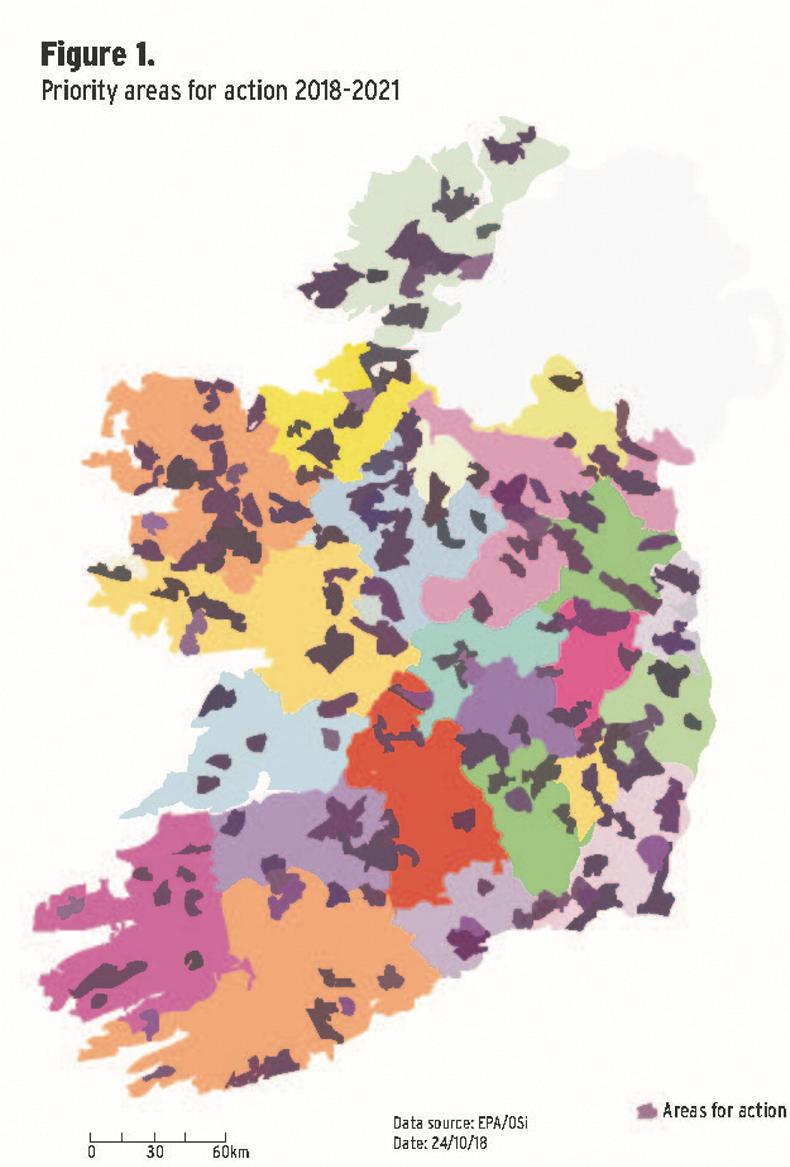
Locations of 190 priority areas for action across Ireland.
Agricultural Sustainability Support Advisory Programme
Farmers will be offered a free farm visit from an Agricultural Sustainability Support Advisory Programme (ASSAP) advisor. The purpose of the visit is to meet with the farmer and assess their farm for any potential issues that may be having an effect on the water quality in the local stream. In general, an advisor will assess the rivers and streams on the farm, a farmer’s farmyard, nutrient management plan and nutrient management practices, use of pesticides and general farmland management. At the end of a visit the advisor and farmer will agree on where the farmer should focus on improving, or what actions, if any, are required, on their farm. The practical advice will be designed to ‘break the pathway’ and prevent nutrients and sediment from entering water. A written summary of the advice and actions will be provided and a time-frame for completion agreed between them.
What issues have been identified?
To date, ASSAP advisors have completed 1,181 farm assessments and provided plans to farmers in Priority Areas for Action. Diffuse losses, the loss of phosphorus (P), sediment and nitrogen (N) coming from the landscape make up 75% of the issues impacting water quality. However, these losses can be greatly reduced in many cases by implementing improved management practices.
How can farmers reduce diffuse nutrient and sediment losses?
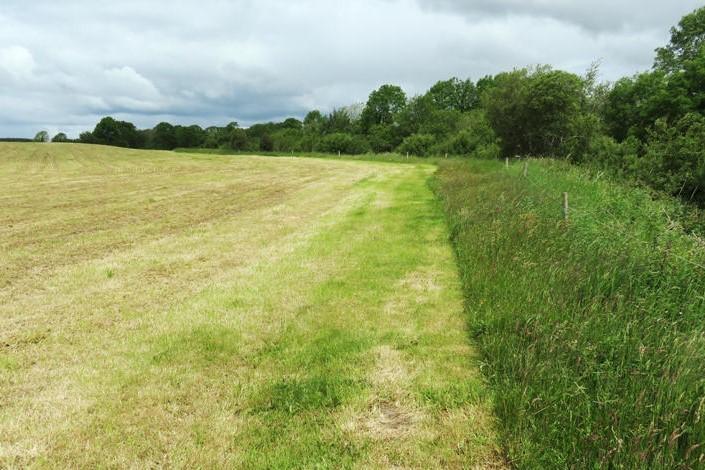
The management strategies may be different for P and sediment, which typically run-off the surface of the soil compared to N which is more prone to leaching with draining water through the soil. For example, to reduce P and sediment losses that typically occur when water is running off the land after periods of heavy rainfall, the implementation of appropriate buffer strips and prevention of livestock access to streams/rivers will help to reduce such losses from occurring. One very effective way to reduce P and sediment losses across the farm is to avoid spreading nutrients and improve the management of wet areas with close proximity to the stream or rivers. These critical source areas (CSA’s) are more prone to nutrient and sediment loss during wet weather than the surrounding land or fields, and small changes to management in these areas can help to greatly reduce the impact on water quality.
Improving the overall nutrient recovery and nutrient use efficiency on the farm, particularly with regard to nitrogen fertilisers and slurries, will be crucial to reducing nitrate losses to waters in more intensively farmed areas. Farmers need to be particularly careful when using nitrogen in the early spring and late in the grazing season, as growth rates are lower and excess nitrogen can be more easily lost to rivers, lakes and groundwater when rainfall is high. In tillage areas, growing cover- or catch-crops in autumn will mop up surplus nutrients remaining in the soil post-harvest. This helps bind soil and prevent sediment losses during periods of heavy rain in winter. It also helps to improve soil organic matter and soil quality in the long term.
Conclusions
Water quality has improved by 16.7% in priority areas for action (Figure 1) where engagement between ASSAP advisors and farmers has occurred. This is very encouraging and shows that farmers are playing their part in improving water quality in Ireland.
In 2020 and 2021, the ASSAP will continue to provide farmers with the help and advice they need to increase the sustainability of their farming practices and systems, with the hope of further improvements in water quality in the years to come.
Latest water quality trends
The recent EPA Water Quality in Ireland 2013 – 2018 report showed an overall decline of water quality in Ireland. The report highlighted that 52.8% of surface waterbodies are at good or high status, down from the 55.4% recorded for the 2010-2015 period. The main area for concern is rivers, where water quality has declined by 5.5% over this period. Although overall water quality in Ireland compares favourably to the EU average (40%), meeting objectives under the Water Framework Directive, will make the successful implementation of the national River Basin Management Plan (RBMP) all the more crucial.
National strategy for improving water quality
On the back of the RBMP, the Government has decided to adopt a new strategy. This strategy involves a more collaborative approach to facilitate improvements in water quality. The agricultural industry is leading this initiative, with support from all the main farming organisations. The focus of the initiative is to provide a free and confidential advisory service to farms located in river catchments (priority areas for action as shown in Figure 1) identified as having agriculture as the main pressure on water quality. Teagasc is providing 20 advisors and the dairy processing co-ops are providing nine advisors to the programme. Scientific support is also provided by Local Authority Waters Programme (LAWPRO).

Locations of 190 priority areas for action across Ireland.
Agricultural Sustainability Support Advisory Programme
Farmers will be offered a free farm visit from an Agricultural Sustainability Support Advisory Programme (ASSAP) advisor. The purpose of the visit is to meet with the farmer and assess their farm for any potential issues that may be having an effect on the water quality in the local stream. In general, an advisor will assess the rivers and streams on the farm, a farmer’s farmyard, nutrient management plan and nutrient management practices, use of pesticides and general farmland management. At the end of a visit the advisor and farmer will agree on where the farmer should focus on improving, or what actions, if any, are required, on their farm. The practical advice will be designed to ‘break the pathway’ and prevent nutrients and sediment from entering water. A written summary of the advice and actions will be provided and a time-frame for completion agreed between them.
What issues have been identified?
To date, ASSAP advisors have completed 1,181 farm assessments and provided plans to farmers in Priority Areas for Action. Diffuse losses, the loss of phosphorus (P), sediment and nitrogen (N) coming from the landscape make up 75% of the issues impacting water quality. However, these losses can be greatly reduced in many cases by implementing improved management practices.
How can farmers reduce diffuse nutrient and sediment losses?
The management strategies may be different for P and sediment, which typically run-off the surface of the soil compared to N which is more prone to leaching with draining water through the soil. For example, to reduce P and sediment losses that typically occur when water is running off the land after periods of heavy rainfall, the implementation of appropriate buffer strips and prevention of livestock access to streams/rivers will help to reduce such losses from occurring. One very effective way to reduce P and sediment losses across the farm is to avoid spreading nutrients and improve the management of wet areas with close proximity to the stream or rivers. These critical source areas (CSA’s) are more prone to nutrient and sediment loss during wet weather than the surrounding land or fields, and small changes to management in these areas can help to greatly reduce the impact on water quality.
Improving the overall nutrient recovery and nutrient use efficiency on the farm, particularly with regard to nitrogen fertilisers and slurries, will be crucial to reducing nitrate losses to waters in more intensively farmed areas. Farmers need to be particularly careful when using nitrogen in the early spring and late in the grazing season, as growth rates are lower and excess nitrogen can be more easily lost to rivers, lakes and groundwater when rainfall is high. In tillage areas, growing cover- or catch-crops in autumn will mop up surplus nutrients remaining in the soil post-harvest. This helps bind soil and prevent sediment losses during periods of heavy rain in winter. It also helps to improve soil organic matter and soil quality in the long term.
Conclusions
Water quality has improved by 16.7% in priority areas for action (Figure 1) where engagement between ASSAP advisors and farmers has occurred. This is very encouraging and shows that farmers are playing their part in improving water quality in Ireland.
In 2020 and 2021, the ASSAP will continue to provide farmers with the help and advice they need to increase the sustainability of their farming practices and systems, with the hope of further improvements in water quality in the years to come.
SHARING OPTIONS