During this period with many restrictions in place securing farm property and equipment does not have to be a complicated process, IFA crime prevention officer Barry Carey has said.
“With younger family members out of college and school an ideal opportunity exists for some 'security housekeeping’ to be done.
“Simple steps can offer the best protection for your home and equipment,” he advises.
Eight steps to take to secure your property and questions farmers should ask themselves:
1. Property identification
Is your home property/address/farmland easily located if required by emergency services? If you live in a very remote area have you given directions to your address? This simple measure costs nothing and could save time and lives. You can use the Eircode finder – simply put in your address and you can view your Eircode number immediately. This should be recorded and left in view for easy access to any user. If you are unfamiliar with this process ask a family member or neighbour to assist.
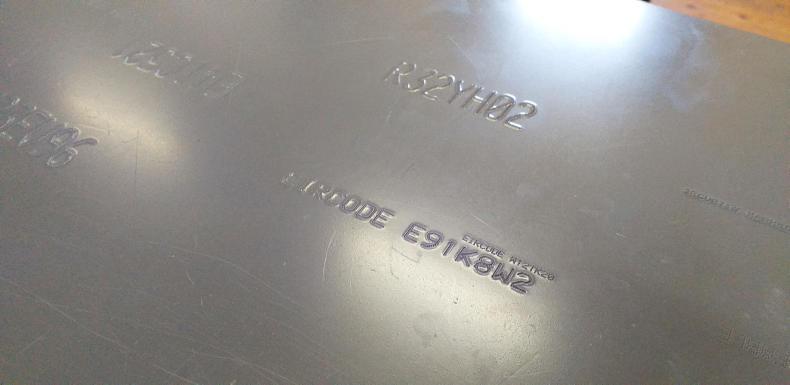
Marking your property with your Eircode can deter thieves and help speed up recovery of anything that is stolen.
You can mark your property in a number of ways to identify it, including; overt marking; permanent heavy-duty marking of your Eircode onto property can be done with a welder or grinder and etching or engraving can be done underneath machinery or in areas which will become mud splattered and so remain hidden.
Carey advises that your local garda crime prevention officer may have access to some new property marking equipment through the local authority scheme – this is a free community service.
2. Boundaries
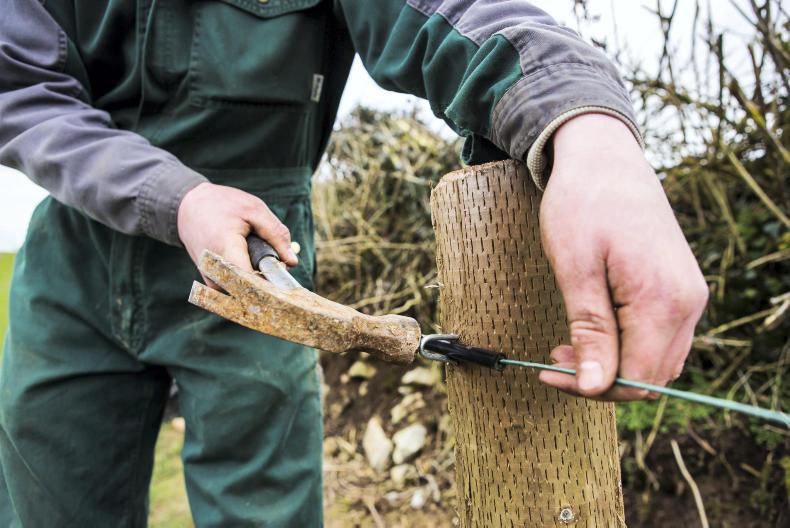
Are your boundary fences/gates and entrances in good condition? Are they secure and intact? Restricting access to your property is key to security.
3. Vegetation
Are trees and bushes trimmed back to reduce cover for potential criminals?
4. Lighting
Do you have appropriate exterior lighting around your farm building and outbuildings? White light on a timer or sensor activated is the most effective.
5. Alarms
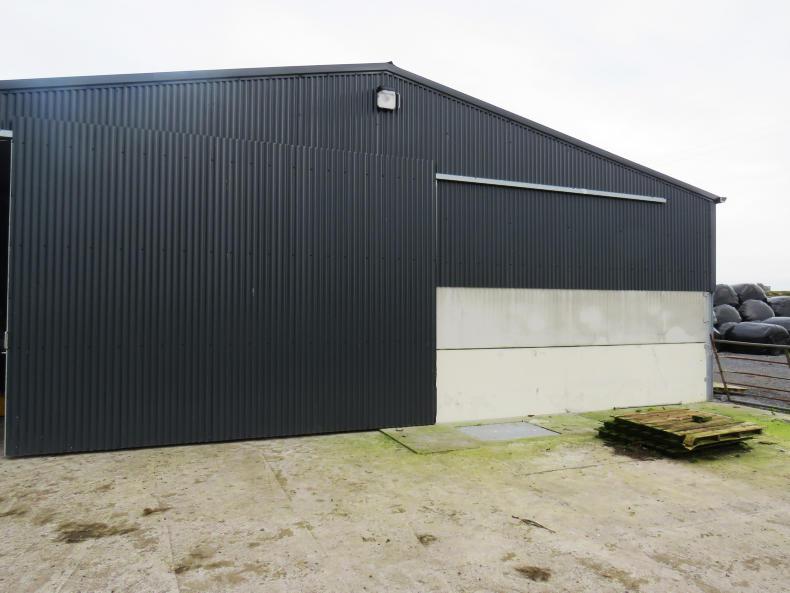
Is there an alarm fitted to your dwelling house, sheds or outhouses?
6. Doors
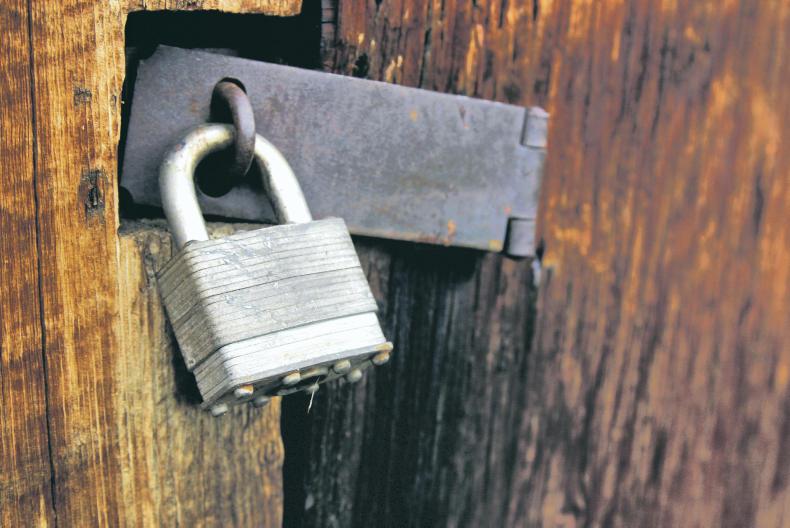
Are your external doors on all buildings fitted with robust locks? Are walls and roofs in good repair?
7. Windows
Are all external windows fitted with robust locks and maintained to the highest standard? Are patio doors bolted or blocked from easy removal?
8. Keys
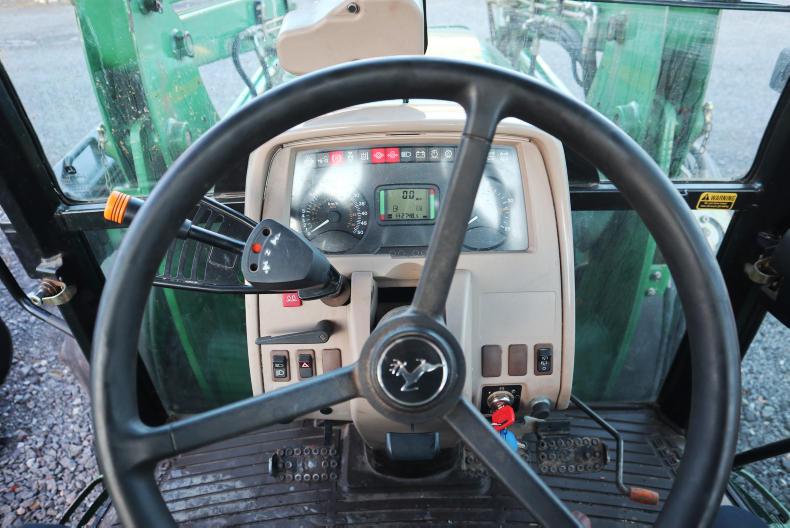
Do you store keys for all your machinery out of sight in a secure location? Are keys for home and car secure. Never leave keys out under plants or mats.
“Remember, do report any suspicious activities of persons and vehicles and ring 999 or 112 and give the gardaí a registration number or description,” Carey said.
Read more
Up to 50 people taken to court for illegal trespassing
IFA calls for a raft of changes to tackle illegal dumping
During this period with many restrictions in place securing farm property and equipment does not have to be a complicated process, IFA crime prevention officer Barry Carey has said.
“With younger family members out of college and school an ideal opportunity exists for some 'security housekeeping’ to be done.
“Simple steps can offer the best protection for your home and equipment,” he advises.
Eight steps to take to secure your property and questions farmers should ask themselves:
1. Property identification
Is your home property/address/farmland easily located if required by emergency services? If you live in a very remote area have you given directions to your address? This simple measure costs nothing and could save time and lives. You can use the Eircode finder – simply put in your address and you can view your Eircode number immediately. This should be recorded and left in view for easy access to any user. If you are unfamiliar with this process ask a family member or neighbour to assist.

Marking your property with your Eircode can deter thieves and help speed up recovery of anything that is stolen.
You can mark your property in a number of ways to identify it, including; overt marking; permanent heavy-duty marking of your Eircode onto property can be done with a welder or grinder and etching or engraving can be done underneath machinery or in areas which will become mud splattered and so remain hidden.
Carey advises that your local garda crime prevention officer may have access to some new property marking equipment through the local authority scheme – this is a free community service.
2. Boundaries
Are your boundary fences/gates and entrances in good condition? Are they secure and intact? Restricting access to your property is key to security.

3. Vegetation
Are trees and bushes trimmed back to reduce cover for potential criminals?
4. Lighting
Do you have appropriate exterior lighting around your farm building and outbuildings? White light on a timer or sensor activated is the most effective.

5. Alarms
Is there an alarm fitted to your dwelling house, sheds or outhouses?
6. Doors
Are your external doors on all buildings fitted with robust locks? Are walls and roofs in good repair?
7. Windows
Are all external windows fitted with robust locks and maintained to the highest standard? Are patio doors bolted or blocked from easy removal?
8. Keys
Do you store keys for all your machinery out of sight in a secure location? Are keys for home and car secure. Never leave keys out under plants or mats.

“Remember, do report any suspicious activities of persons and vehicles and ring 999 or 112 and give the gardaí a registration number or description,” Carey said.
Read more
Up to 50 people taken to court for illegal trespassing
IFA calls for a raft of changes to tackle illegal dumping
SHARING OPTIONS