




When Jack Crotty and Martin Poucher started Neighbourfood in 2018, they couldn’t have seen the global pandemic we currently find ourselves in on the horizon.
However, their business model, which combines contactless food ordering, payment and pick-up with locally-sourced foods, has become a shining example of how if you can’t physically go to a farmers' market, you can have the farmers' market brought to you.
Alternative supermarket
“Neighbourfood was never meant to be an alternative farmers' market, it was meant to be an alternative supermarket,” Jack explains.
“It was about giving food producers a day back where they could still have some income but also some free time. The plan was that [Neighbourfood] could exist in a place where farmers markets can’t.”
The concept has worked well amid the COVID-19 crisis. Many farmers' markets have closed, leaving smaller producers fewer options for selling their product.
It has become a practical solution for those who want to avoid crowded supermarkets
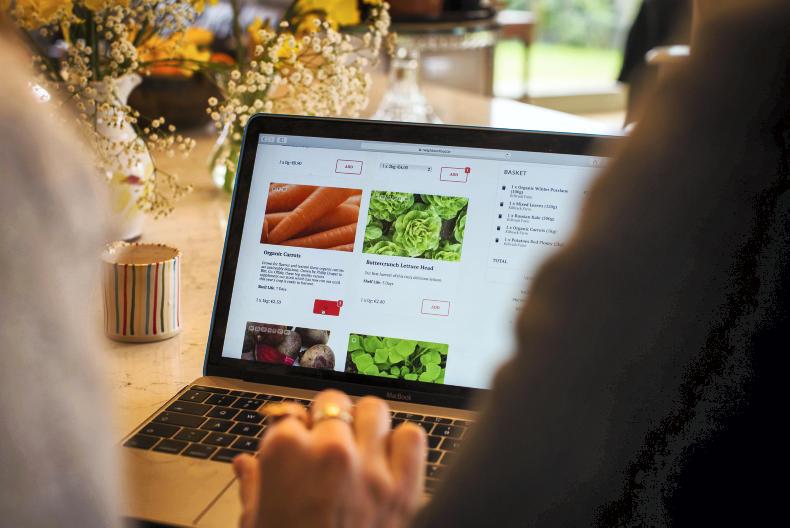
With Neighbourfood, they simply sign up and receive online orders from customers. Orders are submitted the day before collection, so producers know exactly how much to make or harvest.
Because the orders are completed online, there is no money changing hands. It has become a practical solution for those who want to avoid crowded supermarkets and support local business.
“It definitely wasn’t the intention for Neighbourfood to be serving the purpose it is now, but we’re glad it’s helping,” Jack says.
28 locations around the country
Since social distancing measures have been implemented in Ireland, Neighbourfood has grown to cover 28 different locations around the country. Many are not yet operational, as logistics are considered before they can safely open.
One that will begin operations this week is in Clonmel, Co Tipperary. Co-owner of popular local food truck Rivesci, Shannon Forrest has taken on the role of facilitator for this location.
I knew there would be a plenty of producers who could partake
“I only really started looking into this about a week ago, but because we’re part of the Tipperary Food Producers network I knew there would be a plenty of producers who could partake (in Neighbourfood),” she says.
“The producers were all saying, ‘Right - we need another avenue, so let’s jump on board with this.’ We’re newbies to the network, but they’ve put our trust in us which is a great feeling.”
Shannon describes the application process and subsequent set-up as gruelling, but says the result is worthwhile.
Neighbourfood are looking for facilitators who are willing to put in hard work and have passion for local food.
The verification process for setting up a Neighbourfood in a new locality includes necessary parking facilities and adequate space to ensure social distancing rules are observed.
While not operational in every location, some Neighbourfoods also include a delivery system for immunocompromised customers who are self-isolating.
“We’re delivering 1,000 boxes a week now,” Jack says. “We stagger customers who come in for collections – we’ve minimised to a certain number of people per half hour.”
Food producers give a total of 20% of their sales to Neighbourfood, with 10% of that going to the location facilitator for the job of keeping things running smoothly, ensuring social distancing is observed while customers receive correct orders.


SHARING OPTIONS