When the BEAM scheme was opened last August, many farmers joined with the money in mind. It was a much needed boost for over 24,000 farmers after a very difficult 2018 and went some way towards shoring up losses made on finishing cattle in the months prior.
As the scheme was payment first and meet the conditions later, it was easy to forget about the requirements of the scheme. One of the most contentious issues with BEAM was the requirement to reduce the bovine nitrogen produced on the farm holding by 5%. As the scheme was partly EU-funded and this was a requirement from the EU, there was no choice but to comply with the conditions to fund the scheme.
Stock numbers
The reference period lasted from 1 July 2018 – 30 June 2019 and the period for which the reduction is required runs from 1 July 2020 – 30 June 2020. The nitrogen figure is the total nitrogen produced from cattle on your holding between the dates listed. It was thought that a dispensation could be applied for as a result of the closure of the marts, but this is looking increasingly unlikely.
It’s important to remember that if you don’t reduce livestock from July, the total amount you have to reduce will increase
The nitrogen figure is not your stocking rate figure, so renting additional land won’t make you compliant. Nitrogen produced from sheep or other animals on your holding is not calculated, it is just the bovine nitrogen.
It’s important to remember that if you don’t reduce livestock from July, the total amount you have to reduce will increase as the 12 months goes on, until it hits the 5% reduction in June 2021.
For example, if you don’t reduce stock from between July 2020 and December 2020, you will need to reduce stock numbers by 10% from January 2021 to June 2021 in order to hit the 5% reduction target. Participants must also have been a member of the Bord Bia Quality Assurance scheme or an agri-environmental scheme like BDGP, BEEP, GLAS or the Organic Farming scheme.
With marts unlikely to be back running until June at the earliest, it’s important to have a plan in place to meet the requirements of the scheme
The Department of Agriculture has indicated that farms which are locked up with TB and cannot sell cattle force majeure will still apply and these farmers will need to contact the Department of Agriculture to make them aware of this. With marts unlikely to be back running until June at the earliest, it’s important to have a plan in place to meet the requirements of the scheme.
Checking the reduction required
Participants in BEAM can log in to their agfood account at www.agriculture.gov.ie. Once logged in, select the “Beef Exceptional Aid” option on the menu at the home screen. The next step is to click “applications” on the top left-hand corner of the “Exceptional Aid” screen. After this, select your application and click “view application”. This will then show the number of animals you were paid for last year.
The “Bovine Livestock Manure” heading displays the nitrogen produced on your holding during the reference period and the amount that is required between July 2020 and June 2021 – ie the reduction in nitrogen required. Table 1 outlines the nitrogen production per category of livestock.
Stock reduction examples
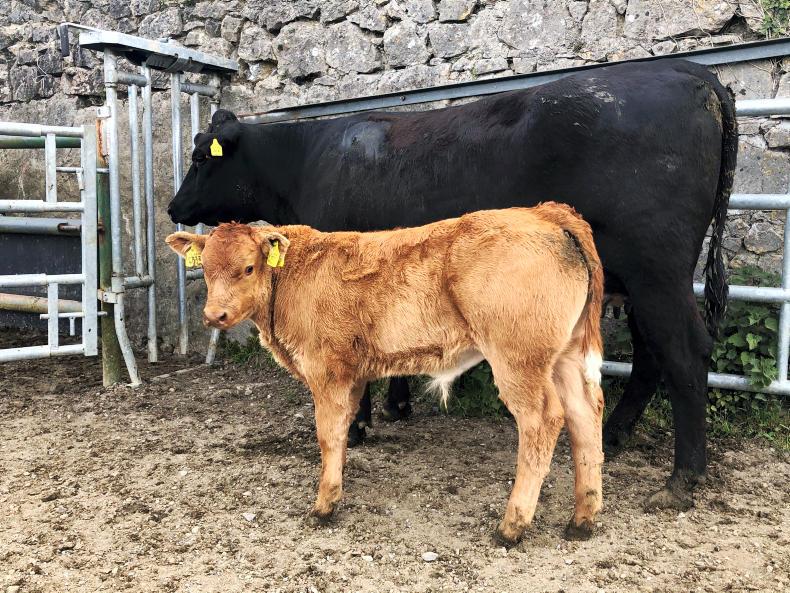
Farm 1.
Farm 1: A holding with 70 suckler cows and 70 calves to be sold at 12 months has a total nitrogen figure of 6,230kg for the year, so the 5% reduction required is 312kg. Option 1. Reduce suckler cow numbers by four (260kg) and reduce calves by four (96kg) to give a total reduction of 356kg.Option 2. Reduce suckler cow numbers by three (195kg) and sell 10 calves at six months rather than 12 months (120kg), to give a total reduction of 315kg.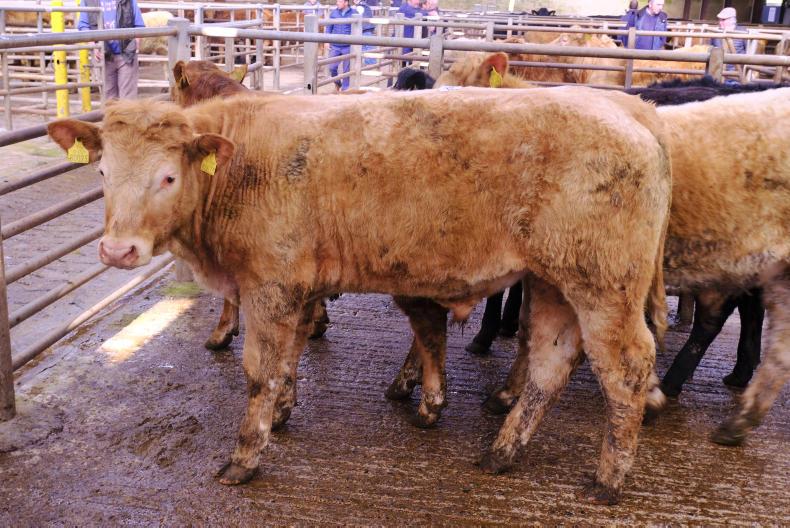
Farm 2.
Farm 2: A holding with 70 one to two-year-old cattle has a total nitrogen figure of 3,990kg for the year. The 5% reduction required is 200kg.Reduce one to two-year-old cattle numbers by four to give a total reduction of 228kg.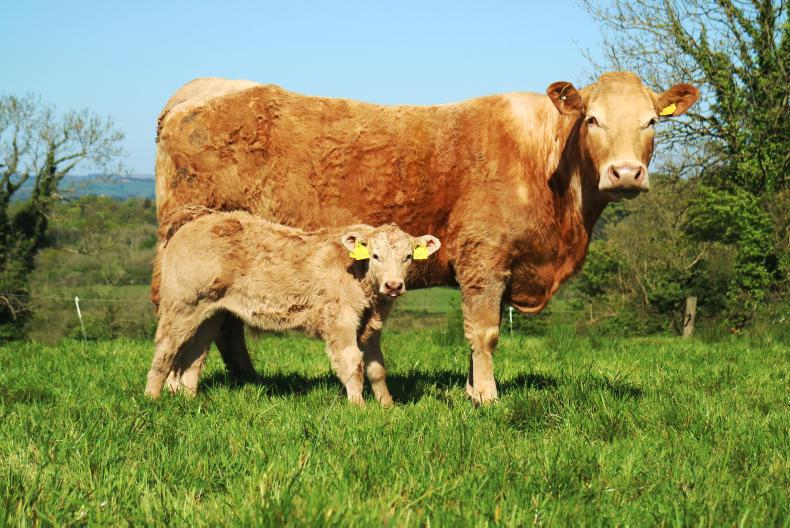
Farm 3.
Farm 3: A holding with 14 suckler cows and 12 calves to be sold at 12 months has a total nitrogen figure of 1,198kg for the year. The 5% reduction required is 60kg. Option 1. Reduce suckler cow numbers by one (65kg).Option 2. Sell six calves at six months rather than 12 months (60kg).Table 2 outlines the different categories of stock and what nitrogen they produce. You can fill out the estimated livestock numbers on your farm to see if you are on target to meet reductions.
When the BEAM scheme was opened last August, many farmers joined with the money in mind. It was a much needed boost for over 24,000 farmers after a very difficult 2018 and went some way towards shoring up losses made on finishing cattle in the months prior.
As the scheme was payment first and meet the conditions later, it was easy to forget about the requirements of the scheme. One of the most contentious issues with BEAM was the requirement to reduce the bovine nitrogen produced on the farm holding by 5%. As the scheme was partly EU-funded and this was a requirement from the EU, there was no choice but to comply with the conditions to fund the scheme.
Stock numbers
The reference period lasted from 1 July 2018 – 30 June 2019 and the period for which the reduction is required runs from 1 July 2020 – 30 June 2020. The nitrogen figure is the total nitrogen produced from cattle on your holding between the dates listed. It was thought that a dispensation could be applied for as a result of the closure of the marts, but this is looking increasingly unlikely.
It’s important to remember that if you don’t reduce livestock from July, the total amount you have to reduce will increase
The nitrogen figure is not your stocking rate figure, so renting additional land won’t make you compliant. Nitrogen produced from sheep or other animals on your holding is not calculated, it is just the bovine nitrogen.
It’s important to remember that if you don’t reduce livestock from July, the total amount you have to reduce will increase as the 12 months goes on, until it hits the 5% reduction in June 2021.
For example, if you don’t reduce stock from between July 2020 and December 2020, you will need to reduce stock numbers by 10% from January 2021 to June 2021 in order to hit the 5% reduction target. Participants must also have been a member of the Bord Bia Quality Assurance scheme or an agri-environmental scheme like BDGP, BEEP, GLAS or the Organic Farming scheme.
With marts unlikely to be back running until June at the earliest, it’s important to have a plan in place to meet the requirements of the scheme
The Department of Agriculture has indicated that farms which are locked up with TB and cannot sell cattle force majeure will still apply and these farmers will need to contact the Department of Agriculture to make them aware of this. With marts unlikely to be back running until June at the earliest, it’s important to have a plan in place to meet the requirements of the scheme.
Checking the reduction required
Participants in BEAM can log in to their agfood account at www.agriculture.gov.ie. Once logged in, select the “Beef Exceptional Aid” option on the menu at the home screen. The next step is to click “applications” on the top left-hand corner of the “Exceptional Aid” screen. After this, select your application and click “view application”. This will then show the number of animals you were paid for last year.
The “Bovine Livestock Manure” heading displays the nitrogen produced on your holding during the reference period and the amount that is required between July 2020 and June 2021 – ie the reduction in nitrogen required. Table 1 outlines the nitrogen production per category of livestock.
Stock reduction examples
Farm 1.
Farm 1: A holding with 70 suckler cows and 70 calves to be sold at 12 months has a total nitrogen figure of 6,230kg for the year, so the 5% reduction required is 312kg. Option 1. Reduce suckler cow numbers by four (260kg) and reduce calves by four (96kg) to give a total reduction of 356kg.Option 2. Reduce suckler cow numbers by three (195kg) and sell 10 calves at six months rather than 12 months (120kg), to give a total reduction of 315kg.
Farm 2.
Farm 2: A holding with 70 one to two-year-old cattle has a total nitrogen figure of 3,990kg for the year. The 5% reduction required is 200kg.Reduce one to two-year-old cattle numbers by four to give a total reduction of 228kg.
Farm 3.
Farm 3: A holding with 14 suckler cows and 12 calves to be sold at 12 months has a total nitrogen figure of 1,198kg for the year. The 5% reduction required is 60kg. Option 1. Reduce suckler cow numbers by one (65kg).Option 2. Sell six calves at six months rather than 12 months (60kg).Table 2 outlines the different categories of stock and what nitrogen they produce. You can fill out the estimated livestock numbers on your farm to see if you are on target to meet reductions.








SHARING OPTIONS