Farmers will win and farmers will lose from the sustained drop in oil prices triggered by COVID-19.
Most visibly, prices for green diesel have fallen by about 30c/l, or 40%, from the highs of last autumn.
Lower oil prices are already seeing downward pressure on milk prices. They will lower nitrogen price for farmers over the coming months.
This week, green diesel suppliers are quoting in the range 38c/l to 42c/l plus 13.5% VAT, depending on order size and payment terms.
Green diesel price could be near enough to the bottom now
To fill a 2,000l tank (440 gallons) this week costs €800 plus VAT. It would have cost €1,250 in January and up to €1,400 plus VAT last autumn. For anyone running big machinery, these are very significant price changes.
Green diesel price could be near enough to the bottom now.
Major oil producers plan to cut global output by 10%, to try to push up prices. Markets do not expect any major lift until the COVID-19 pandemic is over.
A price of 48c/l all-in this week for green diesel includes 18c in taxes
But the carbon tax on tractor green diesel is due to increase by 1.55c/l next week from 5.492c/l to 7.04c/l. It was announced in last October’s budget.
There are other taxes on green diesel and they are not falling. A price of 48c/l all-in this week for green diesel includes 18c in taxes. The overall price breaks down as:
Diesel: 29.9c.Excise: 4.736c.Carbon charge: 5.492c (7.04c from 1 May).National Oil Reserves Agency (NORA) levy: 2c.Better energy levy: 0.12c.VAT at 13.5% (approximately 5.7c in this case). The NORA levy funds the maintenance of 90 days of strategic oil reserves for use in an emergency. For white diesel, the excise rate is higher, the carbon tax increase is already in place and VAT is 23%.
In addition, biofuel is added to white diesel and petrol at a rate of 11.111% by volume and the Government charges a levy to subsidise production of this biofuel.
There is no requirement to add biofuels to green diesel
The biofuels obligation levy is 2c/l on each litre of the biofuel included. This adds approximately 0.2c/l to the price of each litre of white diesel or petrol. It is passed on to the end user.
There is no requirement to add biofuels to green diesel and the price of this fuel does not include the biofuels levy.
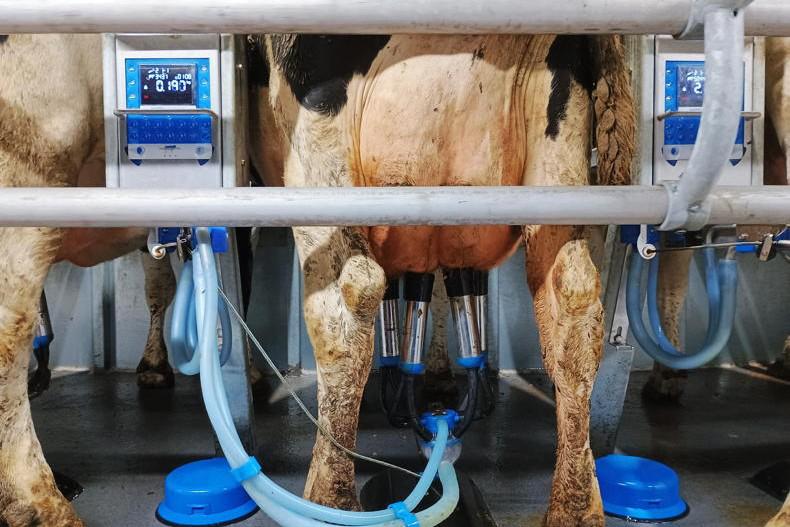
In recent decades, oil and dairy prices have moved in tandem, which is not good news now for dairy farmers.
The large US financial services firm INTL FC Stone has previously suggested that a 10% change in oil prices can result in a 2.5% change in equilibrium dairy prices.
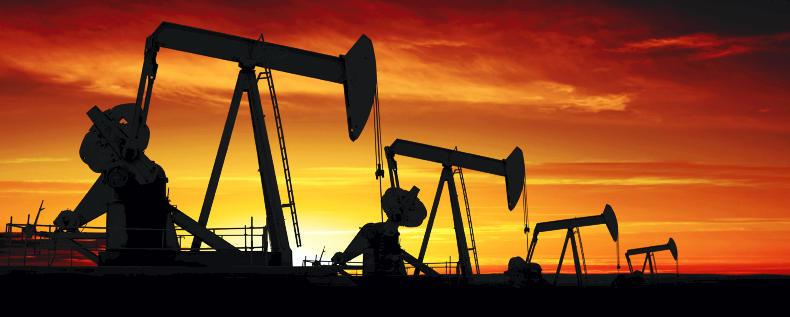
Crude oil prices have declined by 50% in 2020.
International
International prices for some dairy commodities have indeed fallen and, here, prices for March milk have been cut.
It’s generally stated that lower oil prices reduce general buying power in middle eastern markets causing downward pressure on dairy prices.
Nate Donnay, dairy market analyst at FC Stone, looked to see if changing oil prices could directly influence dairy prices, like this. He found no evidence to back any particular link.
The link between fossil fuel and nitrogen fertiliser prices is more clear-cut. Gas is a main raw material and the main energy source in the manufacture of urea, ammonium nitrates, CAN and UAN. Gas is put at between 60% and 80% of production cost.
Gas prices averaged about $3/mm BTU for the past three years. They began declining from early November last and are now just over $1.50.
Observers suggest that gas price changes can feed into wholesale nitrogen prices after three to four months.
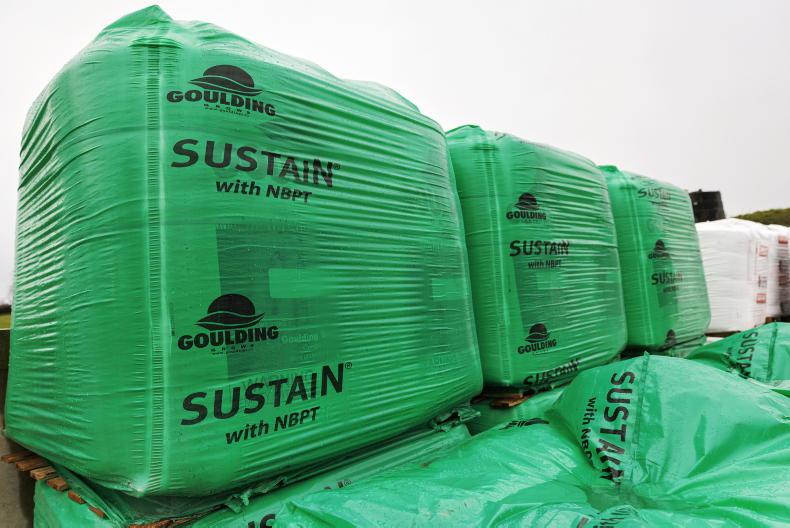
Irish farmers purchase up to 700,000t of CAN per year
Therefore, some of this reduction from last autumn is likely to have already fed into current CAN prices. These opened in the spring at about €50/t lower than 2019 – lower gas prices accounted for part of this reduction.
Irish farmers purchase up to 700,000t of CAN per year and this large volume of product is imported right through the spring and even the early summer months. There is still time, therefore, for the lower gas prices to have further downward influence on nitrogen fertiliser prices over coming months.
Farmers will win and farmers will lose from the sustained drop in oil prices triggered by COVID-19.
Most visibly, prices for green diesel have fallen by about 30c/l, or 40%, from the highs of last autumn.
Lower oil prices are already seeing downward pressure on milk prices. They will lower nitrogen price for farmers over the coming months.
This week, green diesel suppliers are quoting in the range 38c/l to 42c/l plus 13.5% VAT, depending on order size and payment terms.
Green diesel price could be near enough to the bottom now
To fill a 2,000l tank (440 gallons) this week costs €800 plus VAT. It would have cost €1,250 in January and up to €1,400 plus VAT last autumn. For anyone running big machinery, these are very significant price changes.
Green diesel price could be near enough to the bottom now.
Major oil producers plan to cut global output by 10%, to try to push up prices. Markets do not expect any major lift until the COVID-19 pandemic is over.
A price of 48c/l all-in this week for green diesel includes 18c in taxes
But the carbon tax on tractor green diesel is due to increase by 1.55c/l next week from 5.492c/l to 7.04c/l. It was announced in last October’s budget.
There are other taxes on green diesel and they are not falling. A price of 48c/l all-in this week for green diesel includes 18c in taxes. The overall price breaks down as:
Diesel: 29.9c.Excise: 4.736c.Carbon charge: 5.492c (7.04c from 1 May).National Oil Reserves Agency (NORA) levy: 2c.Better energy levy: 0.12c.VAT at 13.5% (approximately 5.7c in this case). The NORA levy funds the maintenance of 90 days of strategic oil reserves for use in an emergency. For white diesel, the excise rate is higher, the carbon tax increase is already in place and VAT is 23%.
In addition, biofuel is added to white diesel and petrol at a rate of 11.111% by volume and the Government charges a levy to subsidise production of this biofuel.
There is no requirement to add biofuels to green diesel
The biofuels obligation levy is 2c/l on each litre of the biofuel included. This adds approximately 0.2c/l to the price of each litre of white diesel or petrol. It is passed on to the end user.
There is no requirement to add biofuels to green diesel and the price of this fuel does not include the biofuels levy.
In recent decades, oil and dairy prices have moved in tandem, which is not good news now for dairy farmers.
The large US financial services firm INTL FC Stone has previously suggested that a 10% change in oil prices can result in a 2.5% change in equilibrium dairy prices.
Crude oil prices have declined by 50% in 2020.
International
International prices for some dairy commodities have indeed fallen and, here, prices for March milk have been cut.
It’s generally stated that lower oil prices reduce general buying power in middle eastern markets causing downward pressure on dairy prices.
Nate Donnay, dairy market analyst at FC Stone, looked to see if changing oil prices could directly influence dairy prices, like this. He found no evidence to back any particular link.
The link between fossil fuel and nitrogen fertiliser prices is more clear-cut. Gas is a main raw material and the main energy source in the manufacture of urea, ammonium nitrates, CAN and UAN. Gas is put at between 60% and 80% of production cost.
Gas prices averaged about $3/mm BTU for the past three years. They began declining from early November last and are now just over $1.50.
Observers suggest that gas price changes can feed into wholesale nitrogen prices after three to four months.
Irish farmers purchase up to 700,000t of CAN per year
Therefore, some of this reduction from last autumn is likely to have already fed into current CAN prices. These opened in the spring at about €50/t lower than 2019 – lower gas prices accounted for part of this reduction.
Irish farmers purchase up to 700,000t of CAN per year and this large volume of product is imported right through the spring and even the early summer months. There is still time, therefore, for the lower gas prices to have further downward influence on nitrogen fertiliser prices over coming months.






SHARING OPTIONS