


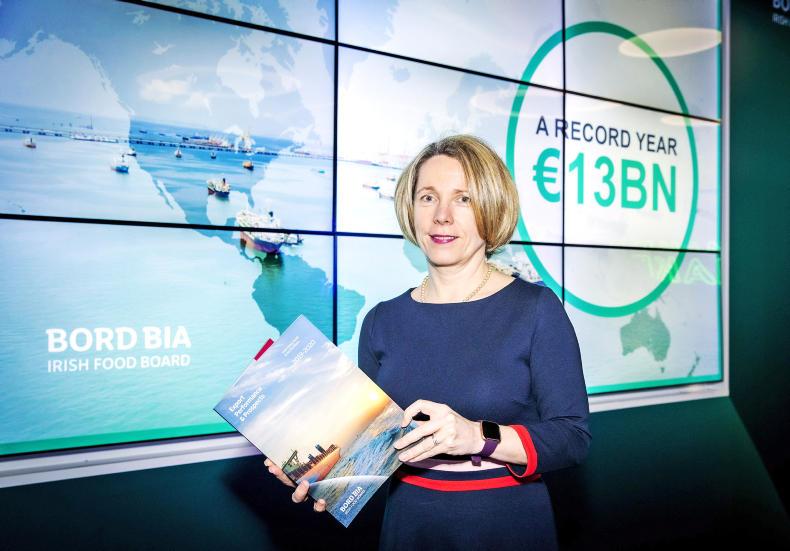
Farmers are suspicious and sceptical, of the new farm carbon credit idea dreamed up by Bord Bia and Teagasc, whether it’s a scheme, platform or otherwise.
No matter how market demands and gaining an edge are explained, all farmers see are more costs, more work, more oversight, and no guaranteed reward. Something to reward farmers for sustainability work is worthwhile, and it will be important for the industry to pull together and pull in the same direction. However, recognising what the farmer is doing without rewarding him won’t work.
Farmers see the proposals as more oversight, more auditing, more measuring. As one farmer observed to me (while social distancing, of course) “measuring is all well and good, you get measured for a suit or a dress, but you get measured for a coffin as well”.
The industry should benefit from meeting marketplace demands for more sustainable produce and for hard evidence of that sustainability. However, history has proven to farmers that they can’t rely on retailers or processors to pass back that benefit.
Farmers have seen this before with quality assurance and they are very sceptical, as evidenced by the early response from the farm organisations to the proposals.
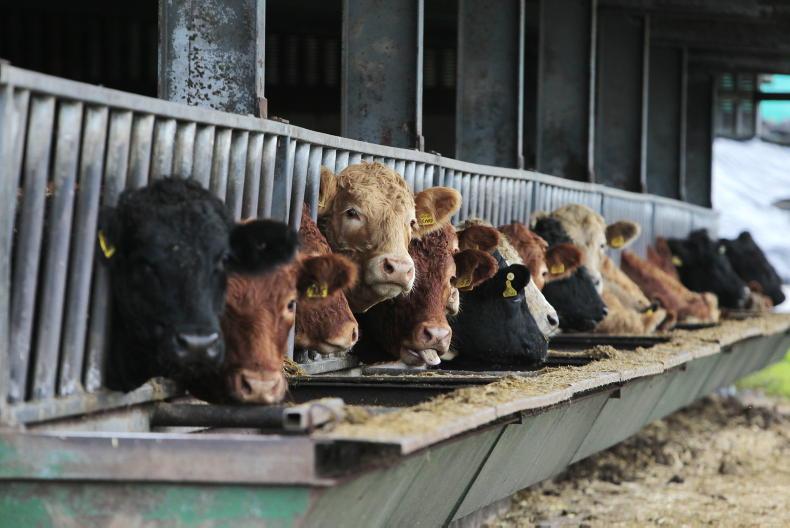
Beef farmers jump through the hoops only to lose the bonus payment if they miss one or more of the other specifications. The beef itself will still be quality assured, but there’s no reward to the farmer who has done the work.
This is why specifications were such a controversial issue during the beef protests last year.
Can Bord Bia just wash its hands of that and say that it’s an in-spec bonus, and not a quality assurance bonus? It’s too subtle a distinction for most farmers’ tastes.
Dairy farmers who aren’t quality assured have felt the slow pincer of penalties and the threat of not having their milk collected by their co-ops, so you can’t say there’s no penalty for those who don’t take part in that scheme.
The ‘added’ standard soon becomes the base standard, more often than not.
Tillage farmers feel completely forgotten and ignored, and point out that their IGAS-assured grain holds no advantage over imports.
Farmers are left feeling the industry has gone off on a solo run dreaming up the next big thing while the majority of farmers are left taking low prices. Everyone else benefits from the work they are doing, while they wait at the end of the line.



SHARING OPTIONS