The meat factories are grabbing the headlines this weekend for the impact of COVID-19 on the workforce and the subsequent negative impact on processing.
The very nature of the work in meat boning halls is very different to that in milk processing facilities. In dairies, there typically is a lot more space between workers and work areas are not as densely populated.
The other difference in the meat factories is there is often a large migrant contingent that are often living together also, which further increases the risk.
Symptoms
I know a number of the milk processors have asked workers that are living and working together to stay away from work for two weeks if comrades have COVID symptoms.
While there was a lot of concern highlighted around preventing COVID-19 in workers in milk processing facilities for the last number of weeks, it’s so far so good in milk factories.
The milk factories would come under pressure if there are breakdowns in equipment and motors or machines have to be stripped out, which often requires workers in close proximity.
Volumes are up
Milk volumes are up, so the pressure on peak milk is more extreme. April 2020 milk supply is up between 3% and 4% on the same month last year for the big processors in the south and east of the country.
Our survey this week of supply estimates show the dry month of April and rising cow numbers has pushed on supply relative to 2019.
If our survey estimates are reinforced with actual supply numbers, it would suggest April supply could be up 30 to 40 million litres on the 946m litres collected last April and could maybe reach the one billion mark for April supply from the Republic.
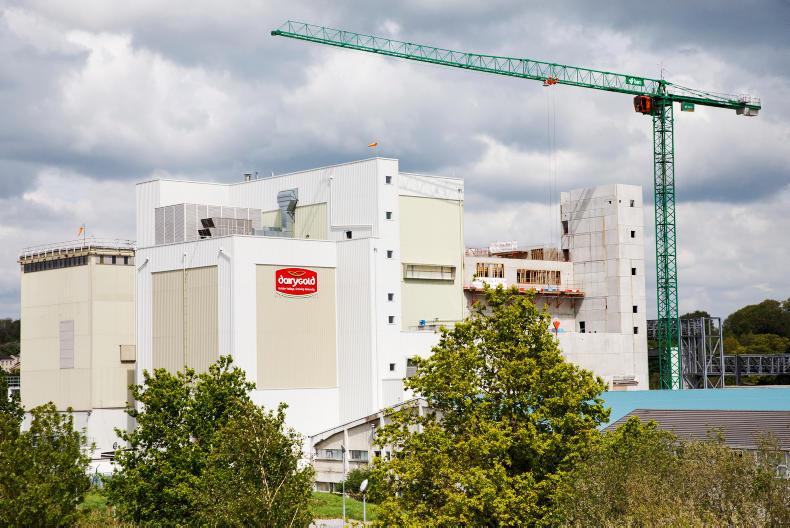
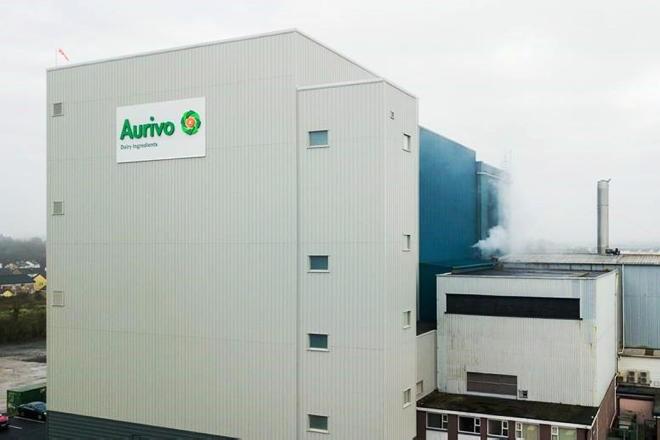
Glanbia estimates suggest milk supply is up around 4% for April, with Dairygold and Aurivo up around 3.5%. Arrabawn suggests a 6% rise.
The west Cork co-ops are up between 3% and 6%. Lakeland is up 4% on April 2019. Kerry Group estimates are different and suggest it is on a par with supply for April 2019, with maybe less than 1% of a lift.
Read more
Dairy processing emissions drop 3% despite processing 400m litres of extra milk
Peak milk processing dilemma moves closer
Warnings on peak processing risk
The meat factories are grabbing the headlines this weekend for the impact of COVID-19 on the workforce and the subsequent negative impact on processing.
The very nature of the work in meat boning halls is very different to that in milk processing facilities. In dairies, there typically is a lot more space between workers and work areas are not as densely populated.
The other difference in the meat factories is there is often a large migrant contingent that are often living together also, which further increases the risk.
Symptoms
I know a number of the milk processors have asked workers that are living and working together to stay away from work for two weeks if comrades have COVID symptoms.
While there was a lot of concern highlighted around preventing COVID-19 in workers in milk processing facilities for the last number of weeks, it’s so far so good in milk factories.
The milk factories would come under pressure if there are breakdowns in equipment and motors or machines have to be stripped out, which often requires workers in close proximity.
Volumes are up
Milk volumes are up, so the pressure on peak milk is more extreme. April 2020 milk supply is up between 3% and 4% on the same month last year for the big processors in the south and east of the country.
Our survey this week of supply estimates show the dry month of April and rising cow numbers has pushed on supply relative to 2019.
If our survey estimates are reinforced with actual supply numbers, it would suggest April supply could be up 30 to 40 million litres on the 946m litres collected last April and could maybe reach the one billion mark for April supply from the Republic.
Glanbia estimates suggest milk supply is up around 4% for April, with Dairygold and Aurivo up around 3.5%. Arrabawn suggests a 6% rise.
The west Cork co-ops are up between 3% and 6%. Lakeland is up 4% on April 2019. Kerry Group estimates are different and suggest it is on a par with supply for April 2019, with maybe less than 1% of a lift.
Read more
Dairy processing emissions drop 3% despite processing 400m litres of extra milk
Peak milk processing dilemma moves closer
Warnings on peak processing risk






SHARING OPTIONS