

The EU’s landmark Farm to Fork Strategy has opened the door for farmers to be recognised and paid for their role in capturing carbon on their farms.
The European Commission strategy aims to devise a carbon sink market to pay farmers, through the CAP and the private market, to remove carbon from the atmosphere.
It also aims to cut pesticide use by 50% and rein in fertiliser use by 20%, while cutting antibiotic use by half and growing organic farming to 25% of European farmland.
ADVERTISEMENT
The next CAP will be a key vehicle to drive this, with the Commission planning to ringfence as much as 40% of the direct payments budget for eco-schemes.
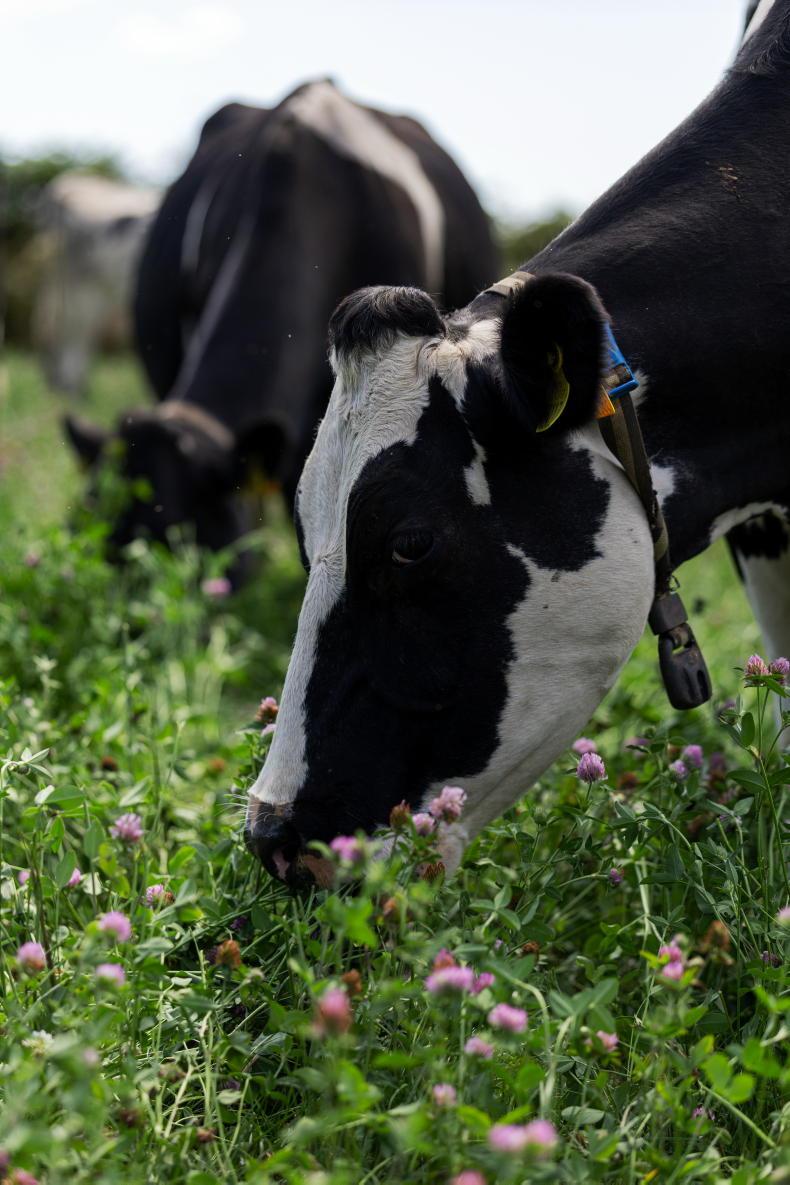
Ireland’s grass-based model fits the drive towards carbon-efficient farming, with one EU official noting the important role extensive livestock systems on permanent pastures play in keeping carbon in the soil.
Farm organisations have expressed concern that the plans could damage farmers’ competitiveness.
Register for free to read this story and our free stories.
This content is available to digital subscribers and loyalty code users only. Sign in to your account, use the code or subscribe to get unlimited access.
The reader loyalty code gives you full access to the site from when you enter it until the following Wednesday at 9pm. Find your unique code on the back page of Irish Country Living every week.
CODE ACCEPTED
You have full access to the site until next Wednesday at 9pm.
CODE NOT VALID
Please try again or contact support.
The EU’s landmark Farm to Fork Strategy has opened the door for farmers to be recognised and paid for their role in capturing carbon on their farms.
The European Commission strategy aims to devise a carbon sink market to pay farmers, through the CAP and the private market, to remove carbon from the atmosphere.
It also aims to cut pesticide use by 50% and rein in fertiliser use by 20%, while cutting antibiotic use by half and growing organic farming to 25% of European farmland.
The next CAP will be a key vehicle to drive this, with the Commission planning to ringfence as much as 40% of the direct payments budget for eco-schemes.
Ireland’s grass-based model fits the drive towards carbon-efficient farming, with one EU official noting the important role extensive livestock systems on permanent pastures play in keeping carbon in the soil.
Farm organisations have expressed concern that the plans could damage farmers’ competitiveness.
If you would like to speak to a member of our team, please call us on 01-4199525.
Link sent to your email address
We have sent an email to your address. Please click on the link in this email to reset your password. If you can't find it in your inbox, please check your spam folder. If you can't find the email, please call us on 01-4199525.
ENTER YOUR LOYALTY CODE:
The reader loyalty code gives you full access to the site from when you enter it until the following Wednesday at 9pm. Find your unique code on the back page of Irish Country Living every week.
SHARING OPTIONS