Andrew Gammie runs a mixed arable and cattle unit with some pedigrees at Laurencekirk in south Aberdeenshire.
Andrew has only one cow left to calve and all cattle are now out on grass. With last winter finished, thoughts now turn to next winter’s feed. There are 20 hectares of silage ground at Drumforber that are normally cut twice.
Saved by the rain
“It has been a really dry spring and things are really dry. However, we had 4mm of rain last week which has really helped bulk out the grass,” said Andrew.
“But first cut this year isn’t going to be a great crop due to the lack of moisture.”
Silage fertiliser was applied in early March so the plants should have used all of the nitrogen that is available.
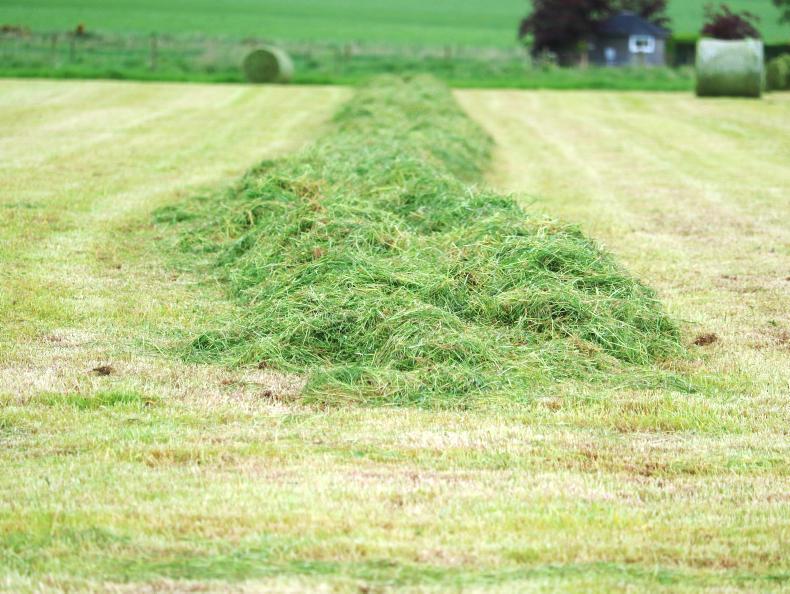
Andrew cuts 50 acres of silage twice a year.
The plan is to cut the grass this Thursday, which is a bit later than usual. Typically, Andrew would harvest first-cut in the middle of May, with the target being quality over quantity.
“So far, the grass is yet to head but this may change over the weekend,” said Andrew.
“There are two hectares sheltered by trees on some heavy land that has maybe got away from us.”
Depending on bulk, Andrew would typically wilt the grass for 24 hours. He usually spreads it behind the mower and rows it up just before baling or lifting.
AgBag v baled silage
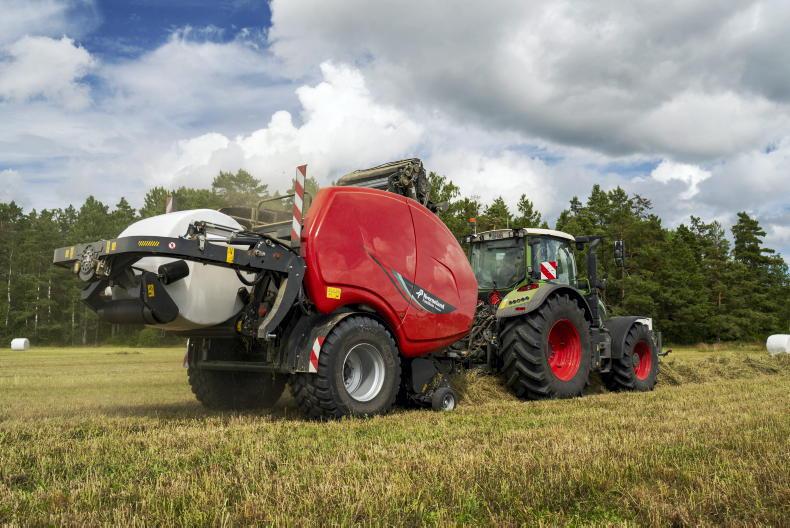
This year, Andrew is planning to AgBag his silage as opposed to typically using wrapped bales as he has no silage pit.
Andrew uses a feeder wagon in winter and the AgBag will allow him to better chop the silage, making more consistent rations. Furthermore, the silage can be added to the wagon more accurately, cutting down on waste.
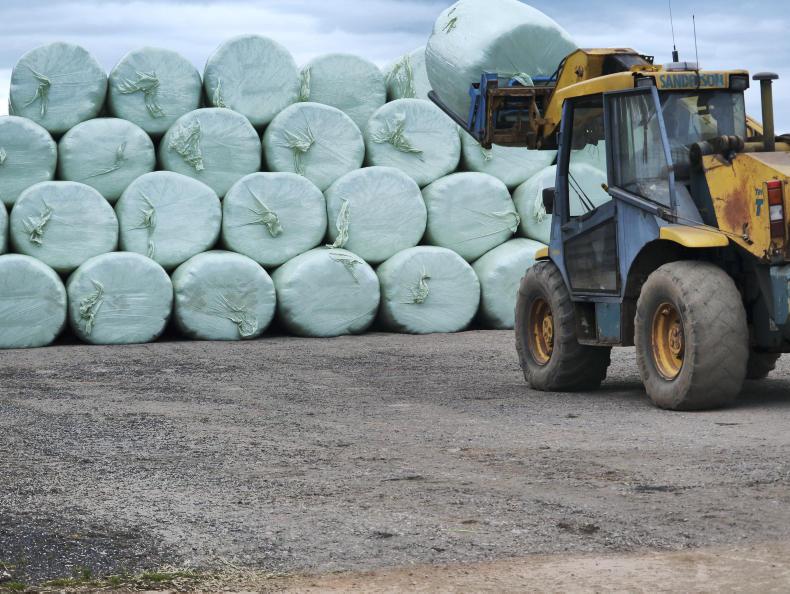
Andrew Gammie has plenty bales of silage left over from last year and is planning to put this years silage into an AgBag.
Looking to the longer term, Andrew plans to build a silage pit. This will cut down the cost of making the silage over the AgBag while retaining all the benefits. He is also keen to look at putting in a pit for draff.
Andrew is planning for a second cut. Once the first cut has been lifted, he will let the cattle in up the park. Some 22-4-14 plus sulphur will be applied with the intention to cut again in six to seven weeks’ time.
“The cows are looking well,” believes Andrew. “But the grass growth is slow. I have the cows in paddocks with the typical amount around 29 cows and followers on a 6ha field.
I am moving the cows on to give them a fresh bite of high-quality grass to give the rising plane of nutrition to maximise their fertility
“There is one park with 60 adult cattle with 30 calves on 11ha.”
“I am moving the cows on to give them a fresh bite of high-quality grass to give the rising plane of nutrition to maximise their fertility.”
This will also help Andrew in his use of embryos and AI in his cows.
Across the programme farms
First-cut silage is a little later on the programme farms this year. The cold, dry spring has held grass growth back and while the farmers have waited a little for it to bulk out, the continuing dry weather is proving challenging.
The decision has been taken now to cut grass over the next couple of weeks and get some quality silage conserved.
This serves two purposes. Firstly, it means that quality is not suffering by grass going to head and shooting. Secondly, it means that there is still plenty of time to get a second cut, where bulk can be considered too.
Typically, once a grass plant starts to push up a flowering stem, its D value will fall by 0.5 units per day.
What does that mean? Over the course of a week, D value would fall by around 3.5 units or around 5%. This shortfall in feed value either has to be made up by feeding more concentrates or accepting lower growth rates.
Paddocks
In some cases, grazing fields have started to get away and are now being reset by cutting to preserve feed quality and growth for the season ahead.
This also has the advantage of utilising the grass grown so far and not wasting it. If the weather conditions continue as they are, we could see a shortage of winter feed across the country again this year.
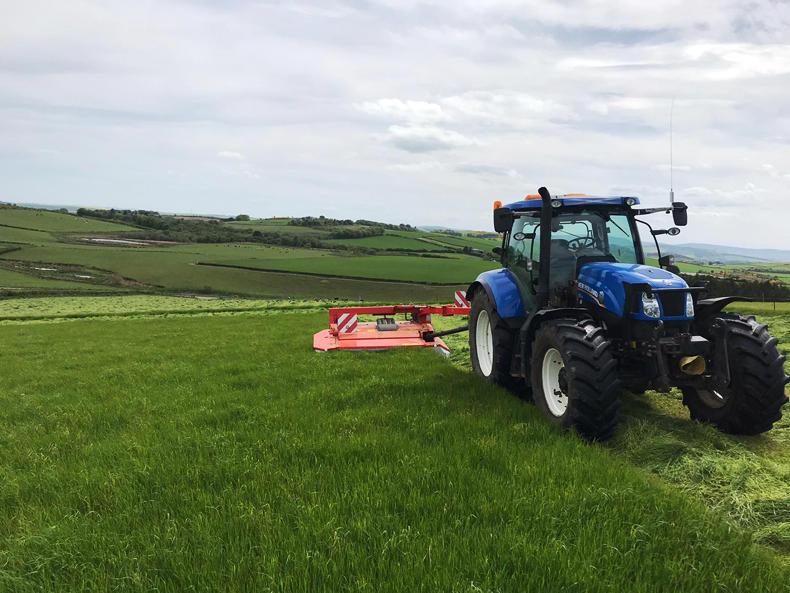
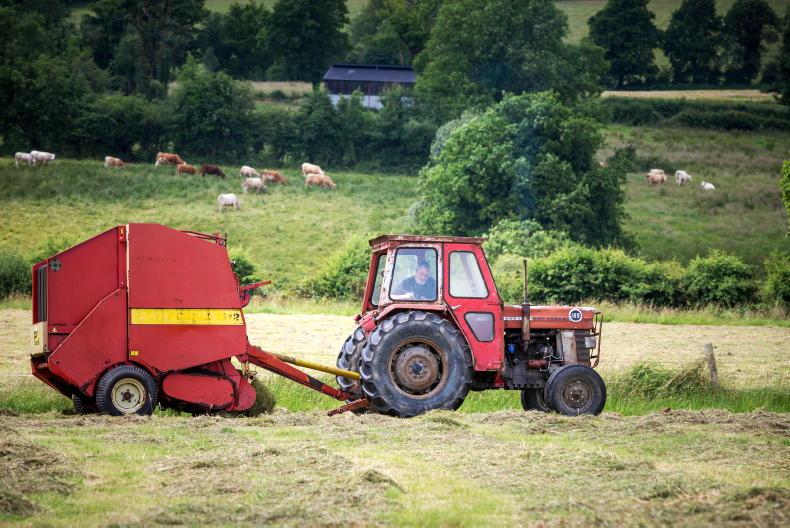
Scott Duguid cutting grass for silage at their farm in near Aberchirder in Aberdeenshire.
The Duguids at Cranna baled some paddocks last week. The decision at the time was whether to cut all of the grass that was getting away or to cut just some of it.
In the end, it was decided to leave some of the surplus for another couple of weeks to ensure that they won’t run short. By that stage, they will be cutting first-cut anyway and if the surplus still exists it can be added to the pit at this stage.
Residual nitrogen
One thing to be aware of this year is that with lower growth, there may still be applied nitrogen not utilised in the grass. This will spoil any silage made, so two strategies are to firstly get the grass tested if you are in any way suspicious that it may not have used all of the nitrogen applied. Secondly, if you are still wary, is to ensure that it gets a decent 24 hour + wilt before being conserved.
Andrew Gammie runs a mixed arable and cattle unit with some pedigrees at Laurencekirk in south Aberdeenshire.
Andrew has only one cow left to calve and all cattle are now out on grass. With last winter finished, thoughts now turn to next winter’s feed. There are 20 hectares of silage ground at Drumforber that are normally cut twice.
Saved by the rain
“It has been a really dry spring and things are really dry. However, we had 4mm of rain last week which has really helped bulk out the grass,” said Andrew.
“But first cut this year isn’t going to be a great crop due to the lack of moisture.”
Silage fertiliser was applied in early March so the plants should have used all of the nitrogen that is available.
Andrew cuts 50 acres of silage twice a year.
The plan is to cut the grass this Thursday, which is a bit later than usual. Typically, Andrew would harvest first-cut in the middle of May, with the target being quality over quantity.
“So far, the grass is yet to head but this may change over the weekend,” said Andrew.
“There are two hectares sheltered by trees on some heavy land that has maybe got away from us.”
Depending on bulk, Andrew would typically wilt the grass for 24 hours. He usually spreads it behind the mower and rows it up just before baling or lifting.
AgBag v baled silage
This year, Andrew is planning to AgBag his silage as opposed to typically using wrapped bales as he has no silage pit.
Andrew uses a feeder wagon in winter and the AgBag will allow him to better chop the silage, making more consistent rations. Furthermore, the silage can be added to the wagon more accurately, cutting down on waste.
Andrew Gammie has plenty bales of silage left over from last year and is planning to put this years silage into an AgBag.
Looking to the longer term, Andrew plans to build a silage pit. This will cut down the cost of making the silage over the AgBag while retaining all the benefits. He is also keen to look at putting in a pit for draff.
Andrew is planning for a second cut. Once the first cut has been lifted, he will let the cattle in up the park. Some 22-4-14 plus sulphur will be applied with the intention to cut again in six to seven weeks’ time.
“The cows are looking well,” believes Andrew. “But the grass growth is slow. I have the cows in paddocks with the typical amount around 29 cows and followers on a 6ha field.
I am moving the cows on to give them a fresh bite of high-quality grass to give the rising plane of nutrition to maximise their fertility
“There is one park with 60 adult cattle with 30 calves on 11ha.”
“I am moving the cows on to give them a fresh bite of high-quality grass to give the rising plane of nutrition to maximise their fertility.”
This will also help Andrew in his use of embryos and AI in his cows.
Across the programme farms
First-cut silage is a little later on the programme farms this year. The cold, dry spring has held grass growth back and while the farmers have waited a little for it to bulk out, the continuing dry weather is proving challenging.
The decision has been taken now to cut grass over the next couple of weeks and get some quality silage conserved.
This serves two purposes. Firstly, it means that quality is not suffering by grass going to head and shooting. Secondly, it means that there is still plenty of time to get a second cut, where bulk can be considered too.
Typically, once a grass plant starts to push up a flowering stem, its D value will fall by 0.5 units per day.
What does that mean? Over the course of a week, D value would fall by around 3.5 units or around 5%. This shortfall in feed value either has to be made up by feeding more concentrates or accepting lower growth rates.
Paddocks
In some cases, grazing fields have started to get away and are now being reset by cutting to preserve feed quality and growth for the season ahead.
This also has the advantage of utilising the grass grown so far and not wasting it. If the weather conditions continue as they are, we could see a shortage of winter feed across the country again this year.
Scott Duguid cutting grass for silage at their farm in near Aberchirder in Aberdeenshire.
The Duguids at Cranna baled some paddocks last week. The decision at the time was whether to cut all of the grass that was getting away or to cut just some of it.
In the end, it was decided to leave some of the surplus for another couple of weeks to ensure that they won’t run short. By that stage, they will be cutting first-cut anyway and if the surplus still exists it can be added to the pit at this stage.
Residual nitrogen
One thing to be aware of this year is that with lower growth, there may still be applied nitrogen not utilised in the grass. This will spoil any silage made, so two strategies are to firstly get the grass tested if you are in any way suspicious that it may not have used all of the nitrogen applied. Secondly, if you are still wary, is to ensure that it gets a decent 24 hour + wilt before being conserved.







SHARING OPTIONS