Weather
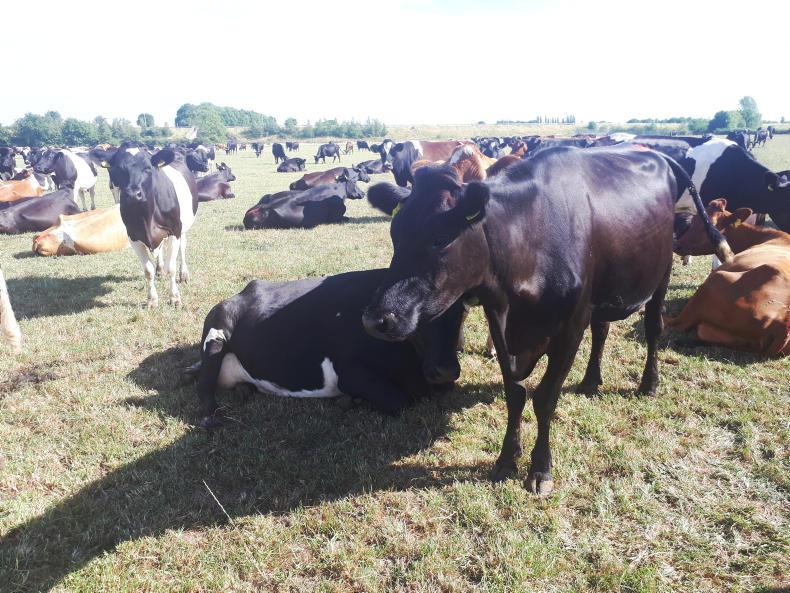
The forecast for the next few days is neither this nor that. The quantities of rain forecast are small but something is better than nothing. Almost every farm would benefit from a good soak of rain. Should you keep spreading fertiliser? If lack of moisture is the biggest limiting factor to growth, then applying more nitrogen won’t help growth. Yes, it would be good to have some nitrogen out in advance of any rain that does come, but in my view soils are not lacking in nitrogen now anyway. Perhaps where soils are dry spread at half-rate and go at normal rate where moisture is not lacking.
There are mixed messages around managing grass in a soil moisture deficit. Some people (including those selling feed) suggest that grass covers should be maintained by slowing down the rotation length and putting in extra feed now. My issue with this is that in a drought grass will wither away so why spend money trying to preserve something that is going to wither away anyway? I think it’s better to use up the grass on the farm first and then introduce extra feed be it meal or silage. I’d say there are a good few farmers who are putting in feed now that they don’t need and it’s going to cost them in terms of higher feed costs and also lower grass quality. In a drought, the extra feed will have to be fed at some point, it’s just a matter of timing. Let average farm cover run down to 400 to 500kg/ha before you start feeding extra meal and silage. That’s a pre-grazing yield of 800 to 1,000kg/ha.
Calves
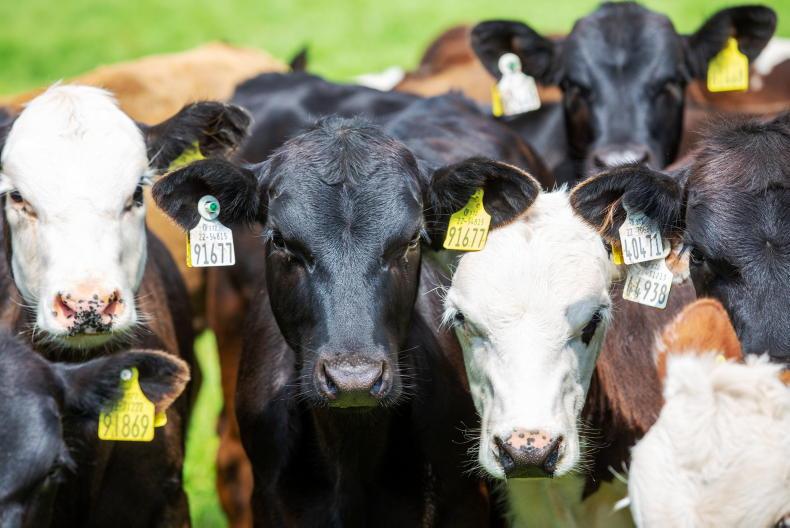
Calves have been thriving well in this weather but as grass begins to go to seed, the challenge will be to keep them performing. Many farmers will have given the older calves their first worm dose now. The timing of this should depend on the worm burden and the best way to know this is to get dung samples analysed for worm egg counts.
When dosing, split the calves up into at least two bunches depending on weight and size. The bigger bunch shouldn’t need any meal if they are on target and have good-quality grass. The lighter bunch will need meal and good-quality grass.
Splitting them up is the single most important thing you can do right now. Good access to fresh clean water is really important for calves and even more so in dry weather.
Bull power
Where bulls are being let off with cows, make sure there is enough of them. A young bull (18 months old) should be asked to cover 10 open cows while an older bull should be able to cover 20 to 30 open cows. An open cow is a cow that is not yet in-calf.
For example, on a 100-cow herd with good fertility you would expect there to be around 20 cows not in calf after six weeks of breeding.
Only using one bull is a risk as sometimes they stop working for whatever reason. A bit of competition is good. Also, some farmers will continue to AI for a week or so after the bulls go out as it can take them a while to settle into their routine.
Read more
Dairy commodities steady and rising
Genomic selection: is it all OK?
Weather
The forecast for the next few days is neither this nor that. The quantities of rain forecast are small but something is better than nothing. Almost every farm would benefit from a good soak of rain. Should you keep spreading fertiliser? If lack of moisture is the biggest limiting factor to growth, then applying more nitrogen won’t help growth. Yes, it would be good to have some nitrogen out in advance of any rain that does come, but in my view soils are not lacking in nitrogen now anyway. Perhaps where soils are dry spread at half-rate and go at normal rate where moisture is not lacking.
There are mixed messages around managing grass in a soil moisture deficit. Some people (including those selling feed) suggest that grass covers should be maintained by slowing down the rotation length and putting in extra feed now. My issue with this is that in a drought grass will wither away so why spend money trying to preserve something that is going to wither away anyway? I think it’s better to use up the grass on the farm first and then introduce extra feed be it meal or silage. I’d say there are a good few farmers who are putting in feed now that they don’t need and it’s going to cost them in terms of higher feed costs and also lower grass quality. In a drought, the extra feed will have to be fed at some point, it’s just a matter of timing. Let average farm cover run down to 400 to 500kg/ha before you start feeding extra meal and silage. That’s a pre-grazing yield of 800 to 1,000kg/ha.
Calves
Calves have been thriving well in this weather but as grass begins to go to seed, the challenge will be to keep them performing. Many farmers will have given the older calves their first worm dose now. The timing of this should depend on the worm burden and the best way to know this is to get dung samples analysed for worm egg counts.
When dosing, split the calves up into at least two bunches depending on weight and size. The bigger bunch shouldn’t need any meal if they are on target and have good-quality grass. The lighter bunch will need meal and good-quality grass.
Splitting them up is the single most important thing you can do right now. Good access to fresh clean water is really important for calves and even more so in dry weather.
Bull power
Where bulls are being let off with cows, make sure there is enough of them. A young bull (18 months old) should be asked to cover 10 open cows while an older bull should be able to cover 20 to 30 open cows. An open cow is a cow that is not yet in-calf.
For example, on a 100-cow herd with good fertility you would expect there to be around 20 cows not in calf after six weeks of breeding.
Only using one bull is a risk as sometimes they stop working for whatever reason. A bit of competition is good. Also, some farmers will continue to AI for a week or so after the bulls go out as it can take them a while to settle into their routine.
Read more
Dairy commodities steady and rising
Genomic selection: is it all OK?





SHARING OPTIONS