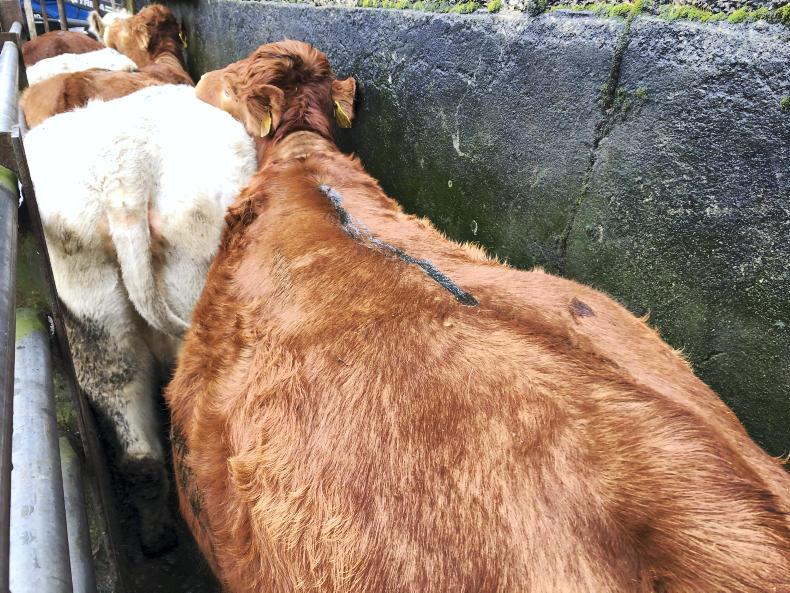
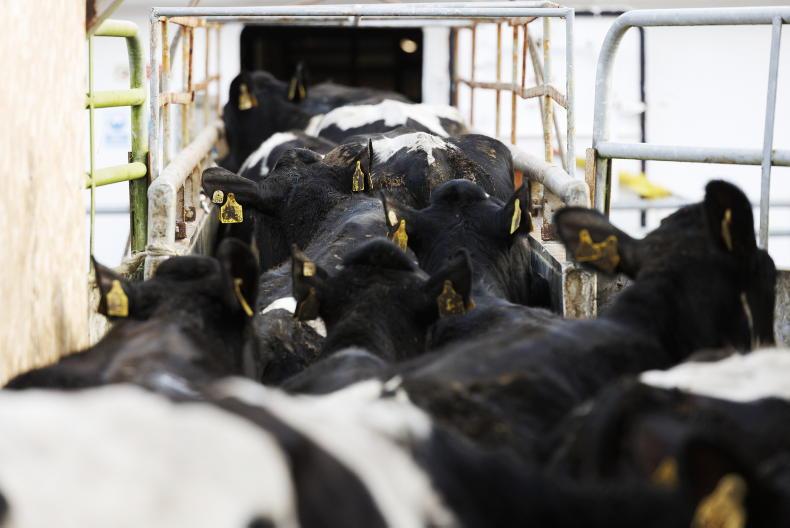
Calves and store cattle will be at risk to worms as warm weather follows rain.
ADVERTISEMENT
Farmers will have welcomed rain over the weekend, and with temperatures set to rise this week grass growth will be on the rise.
But so too, will the level of worms on grazing ground. Warm and humid conditions are ideal for the rapid multiplication of gut and lungworms, so herd owners need to be alert to cattle health.
Spring-born calves have no immunity to worms and will be most at risk. As these animals are taking in more grazed grass on a daily basis, calves can ingest large numbers of parasites in a short period.
ADVERTISEMENT
Autumn weanlings and store cattle will also be at risk, so step in with a suitable wormer to control the burden as necessary.
When choosing a wormer, discuss the options with your vet. Some wormers offer a rapid kill of lungworms, which put calves under respiratory pressure as the animal tries to expel dead worms by coughing.
This can cause mortality in young animals. In some cases, cattle can continue to cough for a week to 10 days after dosing.
In such cases, cattle are usually coughing up dead worms, so don’t assume the wormer was ineffective and go in with a second treatment.
This content is available to digital subscribers and loyalty code users only. Sign in to your account, use the code or subscribe to get unlimited access.
The reader loyalty code gives you full access to the site from when you enter it until the following Wednesday at 9pm. Find your unique code on the back page of Irish Country Living every week.
CODE ACCEPTED
You have full access to the site until next Wednesday at 9pm.
CODE NOT VALID
Please try again or contact support.
Farmers will have welcomed rain over the weekend, and with temperatures set to rise this week grass growth will be on the rise.
But so too, will the level of worms on grazing ground. Warm and humid conditions are ideal for the rapid multiplication of gut and lungworms, so herd owners need to be alert to cattle health.
Spring-born calves have no immunity to worms and will be most at risk. As these animals are taking in more grazed grass on a daily basis, calves can ingest large numbers of parasites in a short period.
Autumn weanlings and store cattle will also be at risk, so step in with a suitable wormer to control the burden as necessary.
When choosing a wormer, discuss the options with your vet. Some wormers offer a rapid kill of lungworms, which put calves under respiratory pressure as the animal tries to expel dead worms by coughing.
This can cause mortality in young animals. In some cases, cattle can continue to cough for a week to 10 days after dosing.
In such cases, cattle are usually coughing up dead worms, so don’t assume the wormer was ineffective and go in with a second treatment.
If you would like to speak to a member of our team, please call us on 01-4199525.
Link sent to your email address
We have sent an email to your address. Please click on the link in this email to reset your password. If you can't find it in your inbox, please check your spam folder. If you can't find the email, please call us on 01-4199525.
ENTER YOUR LOYALTY CODE:
The reader loyalty code gives you full access to the site from when you enter it until the following Wednesday at 9pm. Find your unique code on the back page of Irish Country Living every week.









SHARING OPTIONS