The only thing worse than having a grass surplus in early August is having a grass deficit. I say this because knowing the right thing to do with a surplus at this time of year is next to impossible.
A surplus is defined as anything greater than the target average farm cover. In my book, target average farm cover now is in or around 200kg/cow. Many farmers find themselves with covers greater than 230kg/cow.
More often than not, a period of higher than normal growth rates are followed by a period of lower than normal growth rates
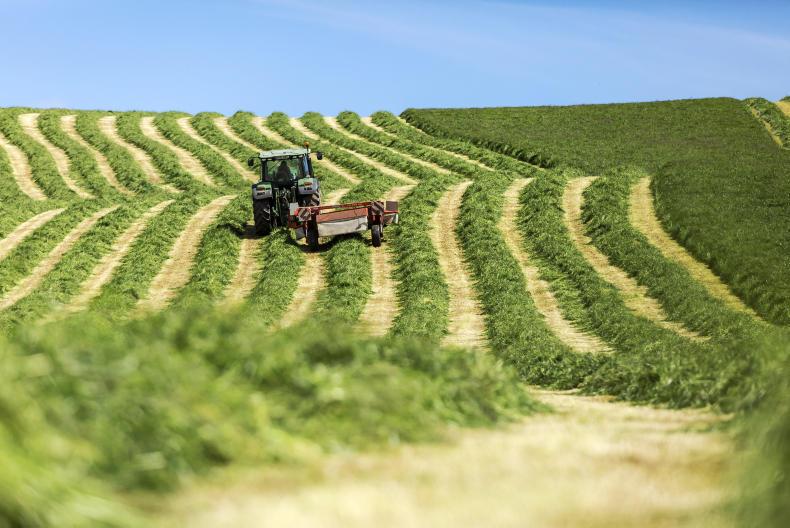
Invariably, taking out a paddock for silage in early August results in a grass deficit by late August. This is because many farmers presume that the current higher than normal growth rates are going to continue for the month.
More often than not, a period of higher than normal growth rates are followed by a period of lower than normal growth rates.
Therefore, I would be conservative about growth for the rest of August. If my hunch is right, then it will be harder to build up cover. Thus, farmers could find themselves being behind target average farm cover later in the month.
Surplus
Of course it all depends on what level of surplus there is now. If AFC is very high, then you might have no option other than cutting some ground for silage. Make sure only take enough out to bring you back to target or a little above.
But if you don’t have too much of a surplus you could consider deferred grazing. This means skipping over a high paddock now, leaving it sit there for a few weeks and strip grazing it by day/night only later in the month or in early September to build up cover.
The downsides are that the grass quality will be pretty poor at that point, but probably no worse than feeding bale silage.
If there is still enough grass on the farm at the time you intend grazing it, you can always cut it out for silage then, or feed it to other stock.
Positive side
The positive side is that no cost is incurred in making silage now and you remain on target for average farm cover as that area is on hand to be grazed whenever it needs be.
Strip grazing this area by day or night and going into nicer covers for the other grazing will ensure the overall diet of the cows will be good.
Only select fields that have been cut or topped previously and are clean at the base for deferred grazing.
Read more
Grass+Dairy: autumn fertiliser plan and pre-grazing yields
Ten things to do this August
The only thing worse than having a grass surplus in early August is having a grass deficit. I say this because knowing the right thing to do with a surplus at this time of year is next to impossible.
A surplus is defined as anything greater than the target average farm cover. In my book, target average farm cover now is in or around 200kg/cow. Many farmers find themselves with covers greater than 230kg/cow.
More often than not, a period of higher than normal growth rates are followed by a period of lower than normal growth rates
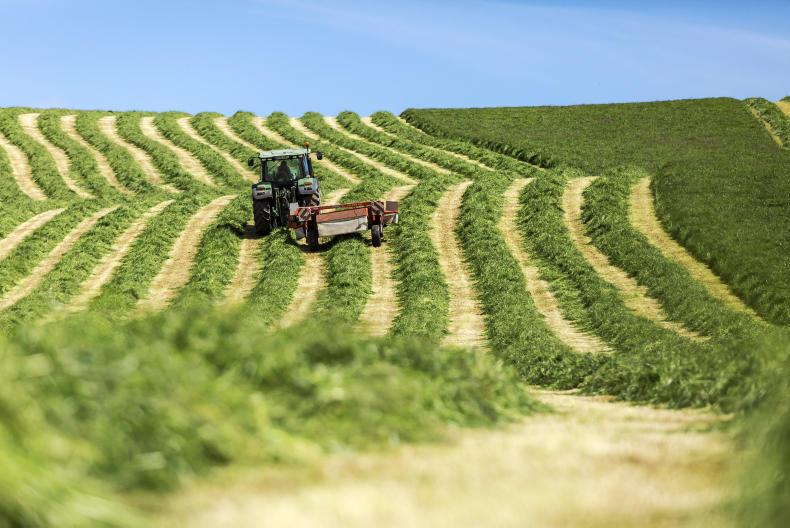
Invariably, taking out a paddock for silage in early August results in a grass deficit by late August. This is because many farmers presume that the current higher than normal growth rates are going to continue for the month.
More often than not, a period of higher than normal growth rates are followed by a period of lower than normal growth rates.
Therefore, I would be conservative about growth for the rest of August. If my hunch is right, then it will be harder to build up cover. Thus, farmers could find themselves being behind target average farm cover later in the month.
Surplus
Of course it all depends on what level of surplus there is now. If AFC is very high, then you might have no option other than cutting some ground for silage. Make sure only take enough out to bring you back to target or a little above.
But if you don’t have too much of a surplus you could consider deferred grazing. This means skipping over a high paddock now, leaving it sit there for a few weeks and strip grazing it by day/night only later in the month or in early September to build up cover.
The downsides are that the grass quality will be pretty poor at that point, but probably no worse than feeding bale silage.
If there is still enough grass on the farm at the time you intend grazing it, you can always cut it out for silage then, or feed it to other stock.
Positive side
The positive side is that no cost is incurred in making silage now and you remain on target for average farm cover as that area is on hand to be grazed whenever it needs be.
Strip grazing this area by day or night and going into nicer covers for the other grazing will ensure the overall diet of the cows will be good.
Only select fields that have been cut or topped previously and are clean at the base for deferred grazing.
Read more
Grass+Dairy: autumn fertiliser plan and pre-grazing yields
Ten things to do this August







SHARING OPTIONS