



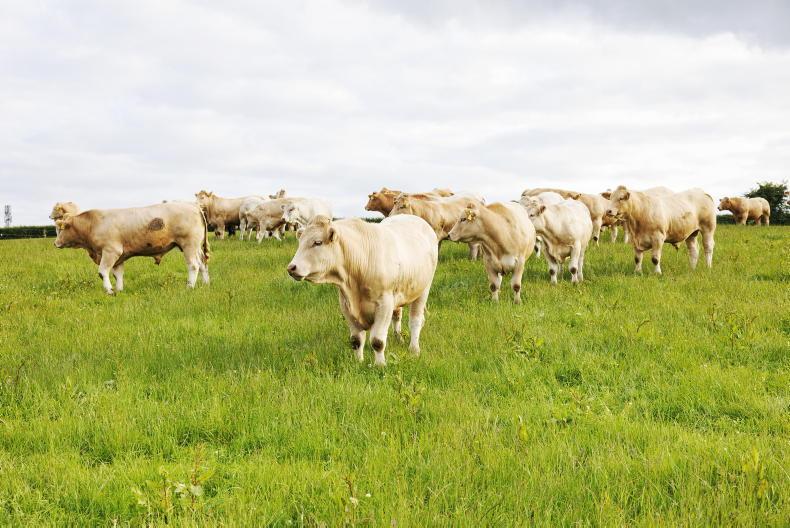
Cattle numbers going to Northern Ireland factories are on track for one of the best years in the past decade at 33,378 up to the end of July, a 75% increase on the 19,004 that were exported for the same period in 2019. Historically, this had been a strong trade that declined in recent years as beef labelling rules meant Irish cattle processed in a region of the UK finished up with neither a UK nor Irish identity.
Will it last? The short answer is it will, as long as it is commercially viable for Northern Irish factories
However, in recent weeks, the exceptional demand for UK beef in supermarkets has led to a strong demand for Irish beef as well to service other markets and labelling identity hasn’t been as much of an issue as it was previously.
Will it last? The short answer is it will, as long as it is commercially viable for Northern Irish factories. However, the issue of the trading relationship with the UK is rapidly coming into focus with the present seamless arrangement ending on 31 December and there is little certainty yet about what will replace the single market that has existed for almost three decades.
There is also the possibility of tariffs and/or quotas to be complied with in trade between the Republic of Ireland and Britain
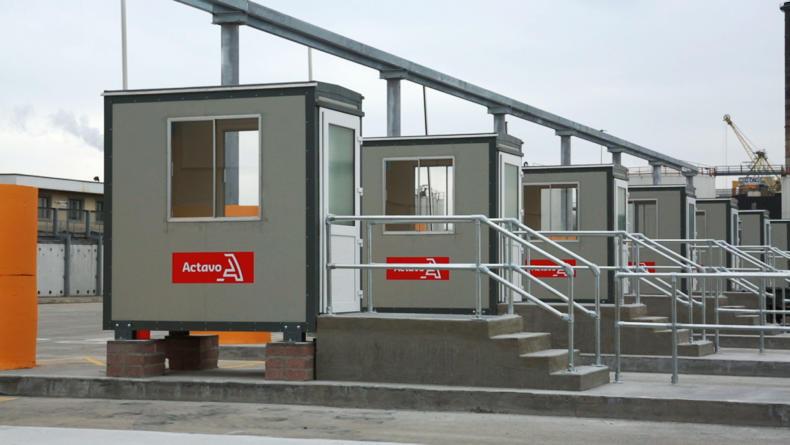
What we do know is that there will be border controls between the Republic of Ireland and Britain though not on the land border with Northern Ireland. This means customs and health certification at a minimum and a level of inspection yet to be determined. There is also the possibility of tariffs and/or quotas to be complied with in trade between the Republic of Ireland and Britain.
Irish protocol
Cross-border trade on the island of Ireland is intended to continue as previously outlined in the Irish protocol that was part of the UK withdrawal agreement. This preserves uninterrupted access for Northern Ireland business to the EU, meaning milk and lambs can continue to cross the border for processing and onward sale to EU markets as they do at present.
How it will work the other way for Irish cattle and pigs going to factories in the North for processing and onward sale to the UK remains to be defined. In a series of documents published by the UK government at the end of last week, it says that it will “define a qualifying status for goods and businesses in Northern Ireland benefitting from unfettered access. We are engaging with businesses and the Northern Ireland Executive on the means for delivering qualifying status, and will set out further details shortly”.
Qualifying status
Therefore, the ability of Northern Irish factories to continue sourcing pigs and cattle as they do at present depends on the UK government determining that their use doesn’t prevent them being sold onwards in the UK after processing.
Depending on this adjudication, it could be quite a lucrative business sourcing cattle in the Republic of Ireland, processing them in Northern Ireland and selling in the rest of the UK, especially if Irish processed beef was subject to an import tariff in the UK after 1 January 2021.
Barrier between Britain and Northern Ireland
There is a further reason why Northern Irish factories might want to source more cattle for processing in the Republic of Ireland.
The policy papers published by the UK government last week confirm that there will be controls to ensure produce originating in Britain doesn’t access the EU markets unofficially via Northern Ireland. This will frustrate the long-established business of factories in Northern Ireland taking carcase beef in from Britain for deboning and processing in Northern Ireland and onward sale back to Britain and EU markets.
Being able to source cattle in the Republic of Ireland for processing could be a neat way to offset any shortfall in beef available
If the new rules for trade between Britain and Northern Ireland mean this trade is no longer commercially viable, it will create a deficit in raw material for boning halls and processing facilities. Being able to source cattle in the Republic of Ireland for processing could be a neat way to offset any shortfall in beef available for processing in Northern Ireland.
It is amazing that in less than 150 days from now trade between both jurisdictions on the island of Ireland with Britain will change dramatically yet there is so little certainty and precision about what the rules will be. We do know that border inspection posts are a reality for trade between the Republic of Ireland and Britain meaning at customs paperwork and health certificates, and tariffs in a worst case scenario. Cross-border trade on the island of Ireland should remain as before and this could be a small opportunity in an otherwise bleak Brexit scenario for Irish beef.


SHARING OPTIONS