


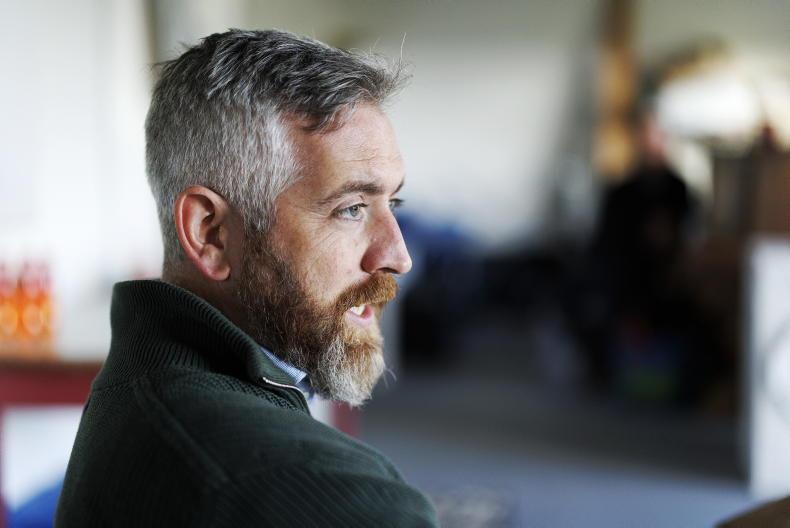
New land designations proposed by the European Commission will impact roads and rural Ireland as well as farmers, Brendan Joyce, vice-president of the Irish Natura and Hill Farmers Association (INHFA) has warned.
The Commission has proposed that 10% of EU land should be strictly protected and that peatlands also become strictly protected, a designation that would have severe limitations on what changes can be made to any land.
Strict protection
Joyce, a farmer from Connemara, told a recent meeting in Williamstown, Co Galway, that if strict protection was in place, the N59 road from Galway to Clifden would likely not have passed planning stages to be realigned and upgraded.
The road is currently being upgraded, but cannot be realigned in certain areas due to designations that are already in place.
“Speaking to a person giving a presentation [at the Peatlands Forum], I put the question to them on the N59 on an application made to realign that road. I know this is away from farming, but it just shows you where it impacts.
“He said a section of it can be resurfaced, but cannot be realigned due to current designations.
“There is a big section of the road, 6km to 7km east of Maam Cross, that they’re doing at the minute. I asked the question of these guys; if that land had been strictly protected, even in a very loose definition of the word, would that have got through a planning application?
“The answer – a personal opinion but an informed opinion – was that it would be unlikely it would have been allowed to go for planning,” he said.
“We have had experience of the designation process, the SACs and SPAs, for the last 20 years.
“We have seen first-hand, as farmers, the impact that they have had, not just on farmers but on rural communities, in terms of how roads, bypasses in Galway city, planning for houses or sheds have been impacted,” Joyce said.
Planning permission
Joyce’s comments were echoed by INHFA director of organisation Vincent Roddy, who said that under strict protection, planning permission will be “impossible” to obtain.
“It will impact on public infrastructure such as roads, water and waste treatment plants, the roll out of broadband,” he said.
“It will impact on existing business and make most new business startups impossible. Tourism will suffer.
“It will accelerate rural decline, which will close more schools and post offices,” Roddy warned.


SHARING OPTIONS