The Government has been advised to move the entire country to the highest alert level of its coronavirus defence - Level 5.
RTÉ News reports that Taoiseach Micheál Martin, Tánaiste Leo Varadkar and Green Party leader Eamon Ryan intend to meet chief medical officer Tony Holohan on Monday following the recommendation.
A cabinet meeting is to assess the NPHET recommendation on Monday but it is not known at this stage whether the Government will implement the advice from NPHET.
On Monday morning, a spokesperson for the Department of Agriculture told the Irish Farmers Journal: "Essential services (which includes many agri industries) that continue may likely require an evaluation of their risk mitigation measures to ensure their continued effectiveness in the face of new challenges.
"In any situation the Department will engage with the various sectors."
How will agriculture be affected?
Most agricultural suppliers are considered to be essential retail. In March, the Government’s indicative list of essential retail outlets included:
Retail sale of essential items for the health and welfare of animals, including animal feed and medicines, animal food, pet food and animal supplies including bedding.Hardware stores, builders’ merchants and stores that provide hardware products necessary for home and business maintenance, sanitation and farm equipment, supplies and tools essential for gardening/farming/agriculture.Fuel stations and heating fuel providers.Retailers involved in the repair of motor vehicles, motorcycles and bicycle repair and related facilities (for example, tyre sales and repairs).Machinery and parts
Vets and co-ops switched swiftly to a call and collect or click and collect system only, while many machinery dealerships adapted to an appointment-only service for essential repairs and parts in which they did not meet any farmer directly.
It is likely that the same would happen again under Level 5.
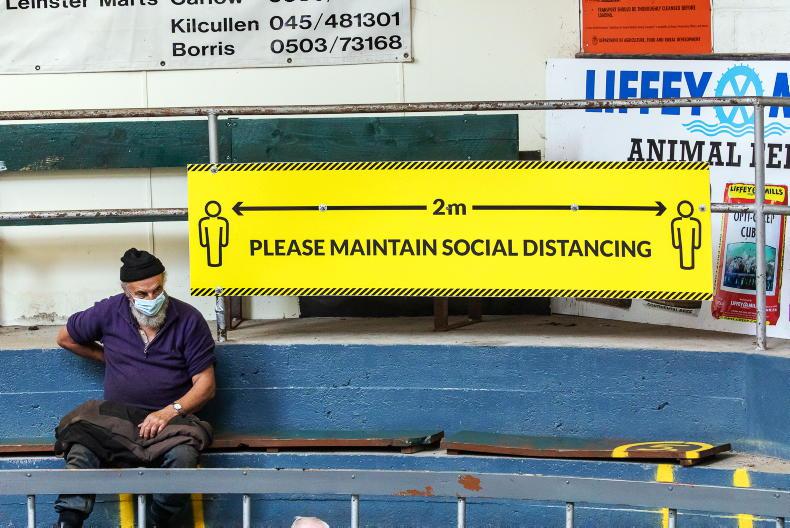
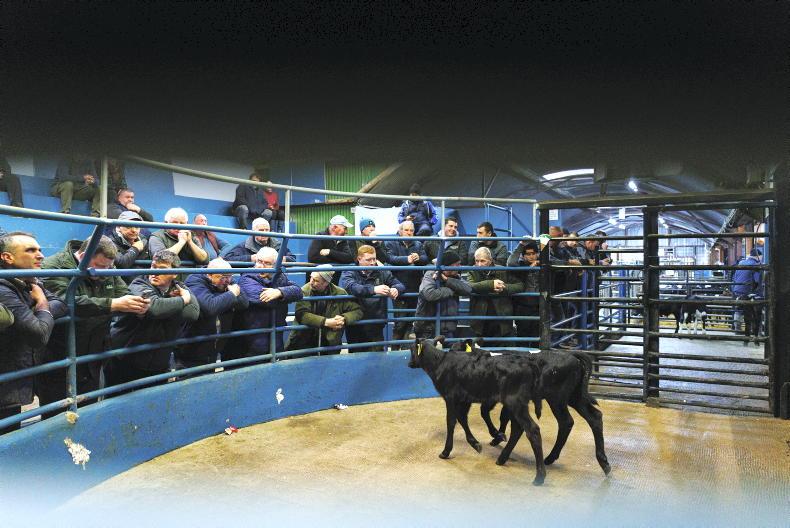
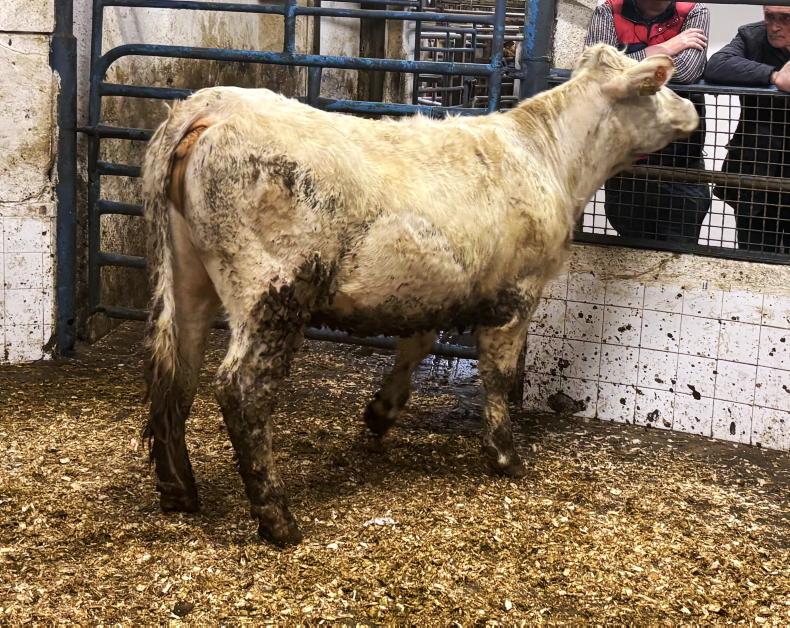
What about marts?
In the March lockdown, all public auctions were suspended and only resumed on 8 June.
However, marts continued to facilitate the trading of animals, using a strictly controlled drop and drive away system for sellers and allowing only a very limited number of buyers on site. Sales were made by phone or tender system.
Since then, marts have developed online sales and live-streaming options which allow them to sell even with no one at the mart.
Ray Doyle of ICOS told the Irish Farmers Journal that moving to Level 5 would not pose any problem for marts.
“We will be well able to cope with Level 5, if that happens. There are around 50 mart centres now with online facilities and we can easily return to the drop and go service which started in March, if necessary,” he said.
“Marts will be able to facilitate the trading of animals. We are better prepared now that we were back in March.”
He added that the traditional pattern of sales peaking in the March-April and September-October periods had been completely changed by COVID-19, with many marts reporting strong sales throughout June, July and August.
Will meat factories and dairy processors be closed?
Food production and the food chain has always been a priority to maintain and meat processing and dairy processing will again be considered essential services.
Read more
COVID-19: mart warning as licenses suspended by Department
BDGP: What will I have to pay if I fail to meet 50% eligible female target?
Farmers urged to avail of COVID-19 loan scheme
The Government has been advised to move the entire country to the highest alert level of its coronavirus defence - Level 5.
RTÉ News reports that Taoiseach Micheál Martin, Tánaiste Leo Varadkar and Green Party leader Eamon Ryan intend to meet chief medical officer Tony Holohan on Monday following the recommendation.
A cabinet meeting is to assess the NPHET recommendation on Monday but it is not known at this stage whether the Government will implement the advice from NPHET.
On Monday morning, a spokesperson for the Department of Agriculture told the Irish Farmers Journal: "Essential services (which includes many agri industries) that continue may likely require an evaluation of their risk mitigation measures to ensure their continued effectiveness in the face of new challenges.
"In any situation the Department will engage with the various sectors."
How will agriculture be affected?
Most agricultural suppliers are considered to be essential retail. In March, the Government’s indicative list of essential retail outlets included:
Retail sale of essential items for the health and welfare of animals, including animal feed and medicines, animal food, pet food and animal supplies including bedding.Hardware stores, builders’ merchants and stores that provide hardware products necessary for home and business maintenance, sanitation and farm equipment, supplies and tools essential for gardening/farming/agriculture.Fuel stations and heating fuel providers.Retailers involved in the repair of motor vehicles, motorcycles and bicycle repair and related facilities (for example, tyre sales and repairs).Machinery and parts
Vets and co-ops switched swiftly to a call and collect or click and collect system only, while many machinery dealerships adapted to an appointment-only service for essential repairs and parts in which they did not meet any farmer directly.
It is likely that the same would happen again under Level 5.
What about marts?
In the March lockdown, all public auctions were suspended and only resumed on 8 June.
However, marts continued to facilitate the trading of animals, using a strictly controlled drop and drive away system for sellers and allowing only a very limited number of buyers on site. Sales were made by phone or tender system.
Since then, marts have developed online sales and live-streaming options which allow them to sell even with no one at the mart.
Ray Doyle of ICOS told the Irish Farmers Journal that moving to Level 5 would not pose any problem for marts.
“We will be well able to cope with Level 5, if that happens. There are around 50 mart centres now with online facilities and we can easily return to the drop and go service which started in March, if necessary,” he said.
“Marts will be able to facilitate the trading of animals. We are better prepared now that we were back in March.”
He added that the traditional pattern of sales peaking in the March-April and September-October periods had been completely changed by COVID-19, with many marts reporting strong sales throughout June, July and August.
Will meat factories and dairy processors be closed?
Food production and the food chain has always been a priority to maintain and meat processing and dairy processing will again be considered essential services.
Read more
COVID-19: mart warning as licenses suspended by Department
BDGP: What will I have to pay if I fail to meet 50% eligible female target?
Farmers urged to avail of COVID-19 loan scheme






SHARING OPTIONS