In recent days, several heavy rain showers have focused the minds of many suckler farmers on housing.
The eastern half of the country has borne the brunt of the rain, while the southwest has remained drier than usual. Leinster saw rainfall totals over two times the average in the last week.
The next seven days will be drier than normal according to Met Éireann. However, in many areas, ground conditions have deteriorated as soils reach saturation, leaving cows unsettled.
It will likely lead to an acceleration of housing, particularly in the northwest where further rainfall is expected.
Advice
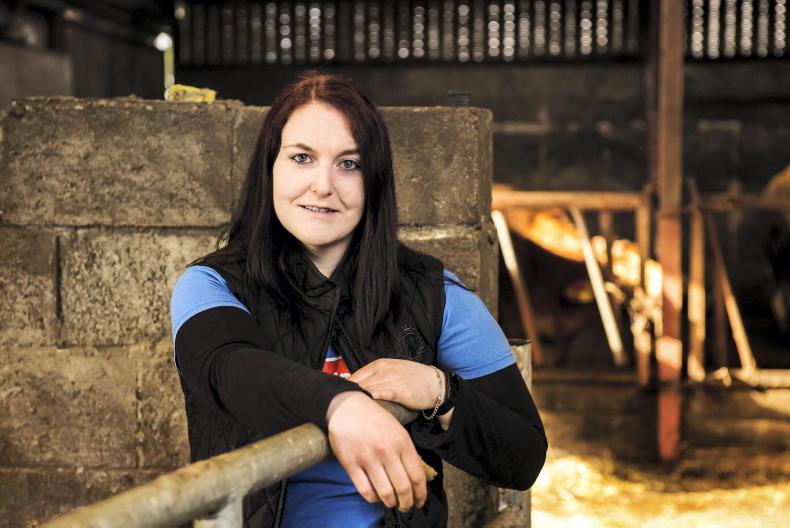
For farmers who decide to bring in cows, beef and suckler editor Adam Woods has the following advice.
Try to avoid a rush to get sheds ready: on many farms, getting sheds ready during the grazing period is on the lists of jobs, but can often be left to the last minute. Whether it be moving stored fodder, fixing lights or adjusting barriers it is important to have sheds right.
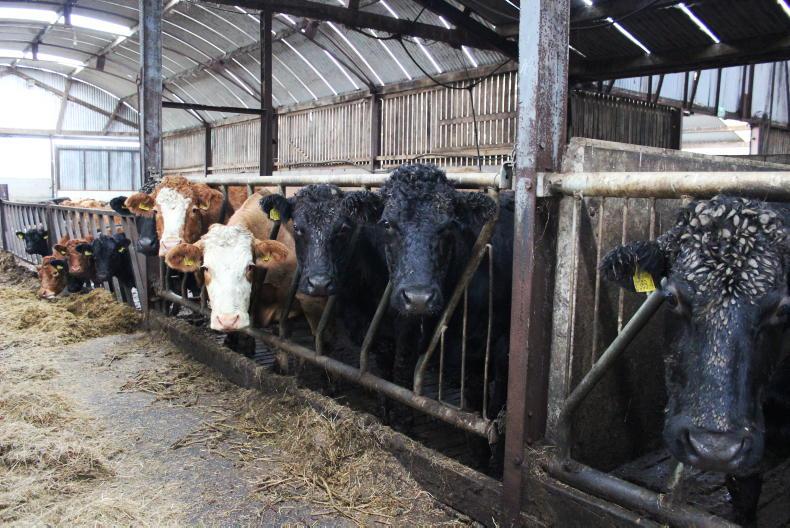
Have a clean environment to avoid mastitis: an early housing may see many farmers wean calves in sheds with dirty slats, presenting a risk of mastitis in cows. On Tullamore Farm, slats are regularly scraped down and lime applied to reduce the risk of mastitis.
Keep an eye on weaned calves: weaning and housing calves can put a lot of stress on young animals, leading to a risk of pneumonia. Sheds should be well ventilated to allow clean air enter. A thermometer can be a useful tool to detect issues at an early stage.
Read more
Thrive weekly update: first heifers slaughtered and housing Belgian Blue cattle.
Beef management: five tips for managing purchased weanlings
In recent days, several heavy rain showers have focused the minds of many suckler farmers on housing.
The eastern half of the country has borne the brunt of the rain, while the southwest has remained drier than usual. Leinster saw rainfall totals over two times the average in the last week.
The next seven days will be drier than normal according to Met Éireann. However, in many areas, ground conditions have deteriorated as soils reach saturation, leaving cows unsettled.
It will likely lead to an acceleration of housing, particularly in the northwest where further rainfall is expected.
Advice
For farmers who decide to bring in cows, beef and suckler editor Adam Woods has the following advice.
Try to avoid a rush to get sheds ready: on many farms, getting sheds ready during the grazing period is on the lists of jobs, but can often be left to the last minute. Whether it be moving stored fodder, fixing lights or adjusting barriers it is important to have sheds right.
Have a clean environment to avoid mastitis: an early housing may see many farmers wean calves in sheds with dirty slats, presenting a risk of mastitis in cows. On Tullamore Farm, slats are regularly scraped down and lime applied to reduce the risk of mastitis.
Keep an eye on weaned calves: weaning and housing calves can put a lot of stress on young animals, leading to a risk of pneumonia. Sheds should be well ventilated to allow clean air enter. A thermometer can be a useful tool to detect issues at an early stage.
Read more
Thrive weekly update: first heifers slaughtered and housing Belgian Blue cattle.
Beef management: five tips for managing purchased weanlings







SHARING OPTIONS