It’s been a long time since there were so many changes affecting farmers prospects. As a sector, we have been spared from most of the COVID-19 traumas that have affected many of our indigenous industries, but there are other more permanent adjustments that we, as farmers, are going to have to make.
The most immediate is the reality of Brexit. While there have been a lot of analyses on the likely tariffs and extra paperwork that will inevitably apply to Irish agri exports going to Britain, estimates of the likely price effects vary. But, it is clear that there won’t be an improvement in dairy products, and certainly none for beef.
While the EU has a special Brexit compensation fund of €5bn, there are – unsurprisingly – no guidelines on who or what are likely to be eligible for significant help.
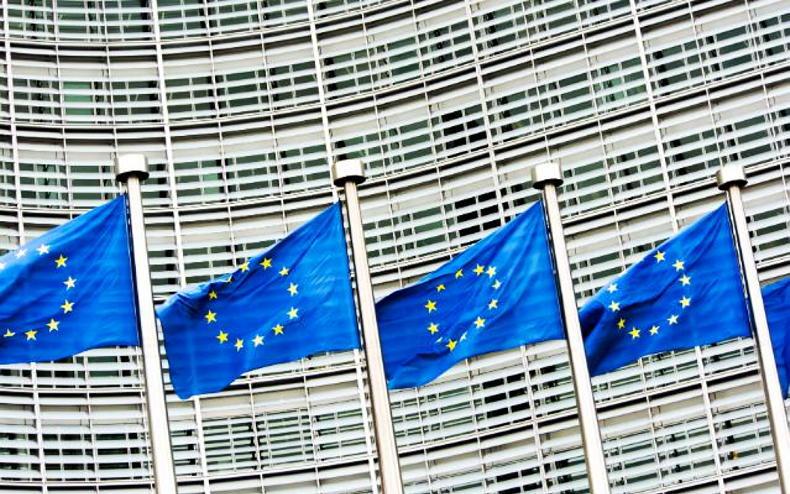
The other area is CAP reform. This comes around every seven years and usually the direction of travel is reasonably well flagged in advance. This time, despite the budget and environmental constraints, it is again reasonably easy to forecast what’s likely to be the main thrust of the final package. What’s new this time is likely the amount of national discretion and how agriculture is central to the new Green Deal, put forward as the main plank of the new EU Commission under Ursula von der Leyen.
As farmers on our own, we have no capacity to influence these major policy events, though national governments and the Commission consult with farmer organisations.
But for an individual farmer, the key question is – what can they change within the farm gate? How can changes to the nitrates directives on organic nitrogen and possible limits to chemical nitrogen application be anticipated?
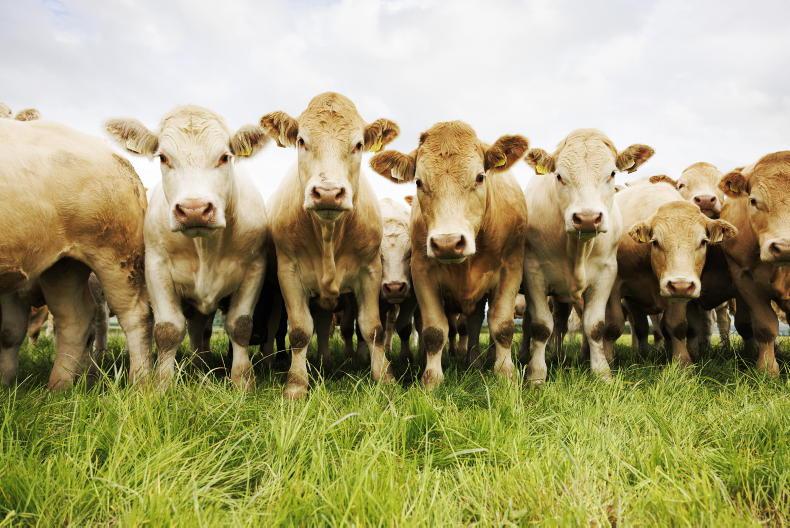
What realistic action can be taken to safeguard farm income and how much progress is likely to be made, as farmers try to get the scientific basis of measuring methane from cattle as a greenhouse gas changed to reflect the reality of its 12-year lifespan.
These are some of the key questions that will influence the development of Irish agriculture over the next decade. We will still have access to the EU market of over 400m well-off consumers and hopefully our outlets will increase as other countries become richer.
The next version of the Food Wise 10-year plan under Tom Arnold’s chairmanship is already six months beyond its original target publication date. It would be sensible to delay it for a few more months until the shape of Brexit and the reformed CAP is clear.
Read more
Ireland’s agri-food strategy committee announced
Key elements of CAP reform approach remain unsettled - McConalogue
It’s been a long time since there were so many changes affecting farmers prospects. As a sector, we have been spared from most of the COVID-19 traumas that have affected many of our indigenous industries, but there are other more permanent adjustments that we, as farmers, are going to have to make.
The most immediate is the reality of Brexit. While there have been a lot of analyses on the likely tariffs and extra paperwork that will inevitably apply to Irish agri exports going to Britain, estimates of the likely price effects vary. But, it is clear that there won’t be an improvement in dairy products, and certainly none for beef.
While the EU has a special Brexit compensation fund of €5bn, there are – unsurprisingly – no guidelines on who or what are likely to be eligible for significant help.
The other area is CAP reform. This comes around every seven years and usually the direction of travel is reasonably well flagged in advance. This time, despite the budget and environmental constraints, it is again reasonably easy to forecast what’s likely to be the main thrust of the final package. What’s new this time is likely the amount of national discretion and how agriculture is central to the new Green Deal, put forward as the main plank of the new EU Commission under Ursula von der Leyen.
As farmers on our own, we have no capacity to influence these major policy events, though national governments and the Commission consult with farmer organisations.
But for an individual farmer, the key question is – what can they change within the farm gate? How can changes to the nitrates directives on organic nitrogen and possible limits to chemical nitrogen application be anticipated?
What realistic action can be taken to safeguard farm income and how much progress is likely to be made, as farmers try to get the scientific basis of measuring methane from cattle as a greenhouse gas changed to reflect the reality of its 12-year lifespan.
These are some of the key questions that will influence the development of Irish agriculture over the next decade. We will still have access to the EU market of over 400m well-off consumers and hopefully our outlets will increase as other countries become richer.
The next version of the Food Wise 10-year plan under Tom Arnold’s chairmanship is already six months beyond its original target publication date. It would be sensible to delay it for a few more months until the shape of Brexit and the reformed CAP is clear.
Read more
Ireland’s agri-food strategy committee announced
Key elements of CAP reform approach remain unsettled - McConalogue









SHARING OPTIONS