The CAP deal struck by the EU agricultural ministers and votes passed by MEPs have allocated a significant portion of the direct payment budget to eco-schemes.
The Department of Agriculture will have responsibility for designing Ireland’s eco-schemes, but the European Commission has drafted a list of recommendations to guide the process.
Among them is carbon farming. This would create a results-based system, with farmers paid based on the emissions they reduce or sequester.
Any deviations would trigger an alert to the advisor to correct it
Possible measures would include minimum tillage, planting native forests, rewetting peatlands, and planting multi-species swards.
Farmers could be paid to reduce their fertiliser use through nutrient management plans. These would be drafted by advisors, with farmers submitting real-time information on inputs used. Any deviations would trigger an alert to the advisor to correct it.
The Commission wants to encourage farmers to “produce food in harmony with nature, not against it.”
The final proposal put forward relates to agro-forestry
Farmers could receive payments for going organic, undertaking more crop rotation, setting aside a percentage of the farm as non-productive areas and introducing biodiversity strips.
Payments to support low to moderate grazing in certain priority areas are also envisaged.
The final proposal put forward relates to agro-forestry. This would provide payments to minimum density of trees interspaced in fields, at a rate of two trees per hectare. They would also have to comply with management rules to benefit biodiversity.
The bottom line here is that every farmer will see a reduction of at least 20% in their BPS payment
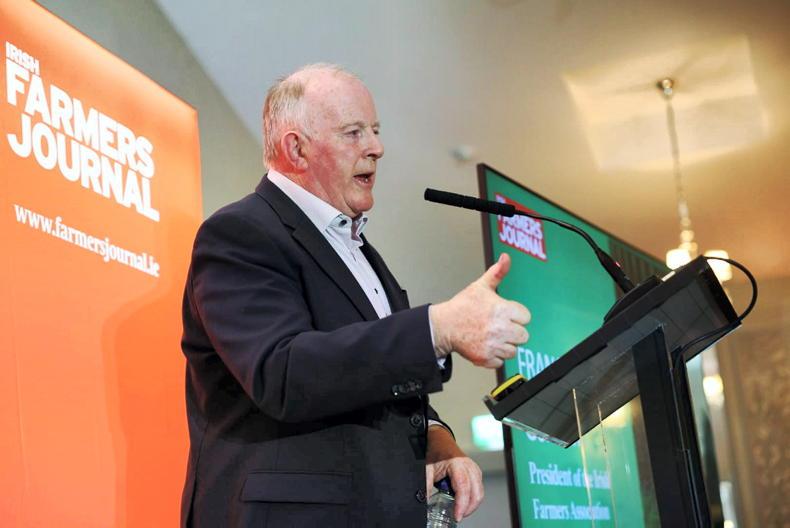
IFA president Tim Cullinan said the reforms “would be challenging” as farmers are asked to do more “for no extra funding.”
Farmers would have to undertake additional measures just for a chance of maintaining their payments.
ICMSA president Pat McCormack slammed the proposals, saying: “The bottom line here is that every farmer will see a reduction of at least 20% in their BPS payment and will only get this back if they join an eco-scheme, the conditions of which are unknown.”
Read more
EU agricultural ministers strike late-night CAP deal
Concern CAP deal could see farmers doing more for no extra funding
The CAP deal struck by the EU agricultural ministers and votes passed by MEPs have allocated a significant portion of the direct payment budget to eco-schemes.
The Department of Agriculture will have responsibility for designing Ireland’s eco-schemes, but the European Commission has drafted a list of recommendations to guide the process.
Among them is carbon farming. This would create a results-based system, with farmers paid based on the emissions they reduce or sequester.
Any deviations would trigger an alert to the advisor to correct it
Possible measures would include minimum tillage, planting native forests, rewetting peatlands, and planting multi-species swards.
Farmers could be paid to reduce their fertiliser use through nutrient management plans. These would be drafted by advisors, with farmers submitting real-time information on inputs used. Any deviations would trigger an alert to the advisor to correct it.
The Commission wants to encourage farmers to “produce food in harmony with nature, not against it.”
The final proposal put forward relates to agro-forestry
Farmers could receive payments for going organic, undertaking more crop rotation, setting aside a percentage of the farm as non-productive areas and introducing biodiversity strips.
Payments to support low to moderate grazing in certain priority areas are also envisaged.
The final proposal put forward relates to agro-forestry. This would provide payments to minimum density of trees interspaced in fields, at a rate of two trees per hectare. They would also have to comply with management rules to benefit biodiversity.
The bottom line here is that every farmer will see a reduction of at least 20% in their BPS payment
IFA president Tim Cullinan said the reforms “would be challenging” as farmers are asked to do more “for no extra funding.”
Farmers would have to undertake additional measures just for a chance of maintaining their payments.
ICMSA president Pat McCormack slammed the proposals, saying: “The bottom line here is that every farmer will see a reduction of at least 20% in their BPS payment and will only get this back if they join an eco-scheme, the conditions of which are unknown.”
Read more
EU agricultural ministers strike late-night CAP deal
Concern CAP deal could see farmers doing more for no extra funding






SHARING OPTIONS