




Kicking off a week-long virtual ‘lunch and learn’ series, 2019 Nuffield Ireland scholar Ailish Moriarty is presenting the findings of her Nuffield Ireland report.
The Nuffield Ireland ‘lunch and learn’ series runs all this week, featuring a 10-minute presentation at 1.30pm each day outlining the key findings of each scholar's Nuffield report. To register, visit www.nuffield.ie/lunchandlearn.
Ailish Moriarty is a milk quality manager for Kerry Agribusiness and lives on a farm with her family in Annascaul, Co Kerry.
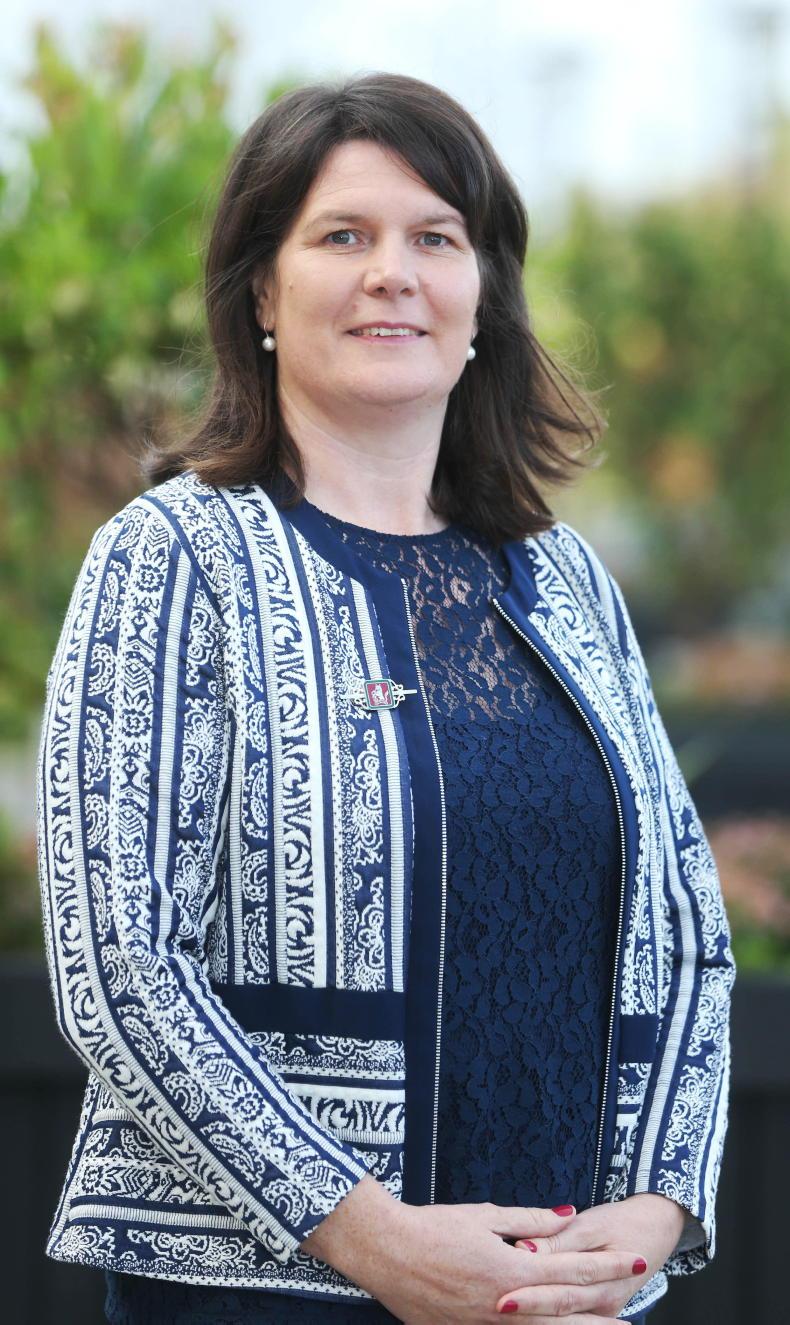
Passionate about herd health, for her Nuffield Ireland scholarship topic, Ailish investigated how the practise of milk screening can contribute to an effective herd health system.
Changing landscape
“The agricultural landscape has changed significantly over the past five years as milk production increased with the ending of milk [quotas] and much greater consumer interest and scrutiny in how food is produced.
"There is increased attention from regulatory authorities and consumers on animal health and welfare, food safety and concerns about antimicrobial resistance and climate change.
"In this context, it is vital that herd health is put to the top of the farming agenda,” she said.
Ailish’s study set out to investigate the role that milk screening could play in an effective herd health system.
She found that milk screening can have benefits, as it can provide an initial impression of herd health and, by identifying trends and triggers, it can alert the farmer and the vet to potential herd health issues on the farm.
However, she argues that much more focus must be placed on risk management and assessment as this can enable a shift from a reactive to more preventative approach to herd health.
Main findings
The main findings of her report include:
Ailish’s report contends that the industry faces many regulatory challenges and in order to prepare for this, all stakeholders need to work together to deliver better herd health outcomes.
Proactive management
“I believe that all stakeholders - the committed farmer, the dairy industry and the engaged vet - need to be ‘at the table’ and co-design proactive herd health management programmes.
"While the early adopters in the veterinary community have led the way in terms of a collaborative, knowledge-share approach, the wider community of vets must come on board and create further buy-in and adoption.
"The strength and importance of the farmer-vet relationship just cannot be underestimated, and the vet can become a key influencer of scheme awareness and uptake,” she said.


SHARING OPTIONS