The report also warns that increasing efforts to gain and maintain international markets may also lead to an increase in transport emissions. \Philip Doyle
ADVERTISEMENT
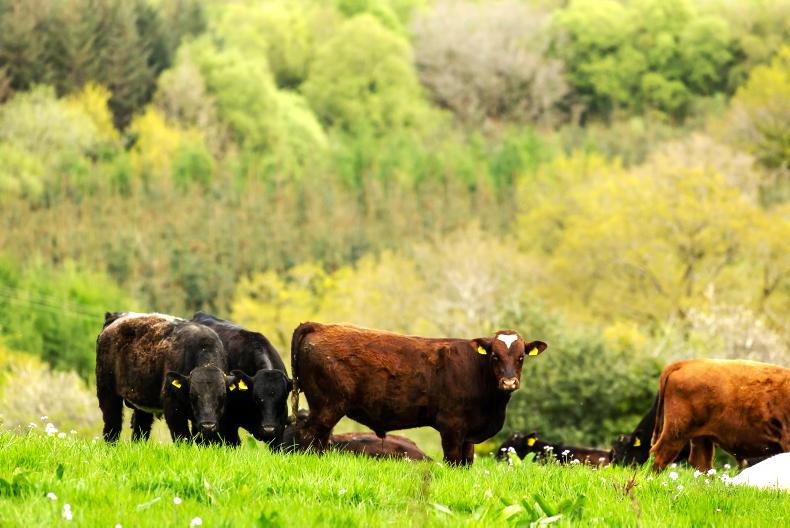
Livestock numbers may grow as an unintended result of the agri-food strategy 2030, a strategic environmental assessment of the strategy has shown.
The assessment, which was undertaken by UK-based RSK Consultants on behalf of the Department of Agriculture, found that the unintended growth may result in increased emissions.
The report also says that actions detailed in the agri-food strategy relating to increasing efforts to gain and maintain international markets may also lead to an increase in transport emissions.
ADVERTISEMENT
The company recommends that growth is monitored as the strategy is implemented and that domestic carbon offsetting is promoted on farm.
Entry point
Speaking at the release of the RSK report was chair of the agri-food strategy 2030 Tom Arnold, who warned that producing sustainable food is now just an entry point to the market.
“The challenge for Ireland is whether it can build a sustainable food system which becomes a source of strategic competitive advantage in securing markets and the possibility of price premium for its products.
“An acid test of success will be the degree to which a competitive advantage can be reflected back to the price received by the farmer.”
Register for free to read this story and our free stories.
This content is available to digital subscribers and loyalty code users only. Sign in to your account, use the code or subscribe to get unlimited access.
The reader loyalty code gives you full access to the site from when you enter it until the following Wednesday at 9pm. Find your unique code on the back page of Irish Country Living every week.
CODE ACCEPTED
You have full access to the site until next Wednesday at 9pm.
CODE NOT VALID
Please try again or contact support.
Livestock numbers may grow as an unintended result of the agri-food strategy 2030, a strategic environmental assessment of the strategy has shown.
The assessment, which was undertaken by UK-based RSK Consultants on behalf of the Department of Agriculture, found that the unintended growth may result in increased emissions.
The report also says that actions detailed in the agri-food strategy relating to increasing efforts to gain and maintain international markets may also lead to an increase in transport emissions.
The company recommends that growth is monitored as the strategy is implemented and that domestic carbon offsetting is promoted on farm.
Entry point
Speaking at the release of the RSK report was chair of the agri-food strategy 2030 Tom Arnold, who warned that producing sustainable food is now just an entry point to the market.
“The challenge for Ireland is whether it can build a sustainable food system which becomes a source of strategic competitive advantage in securing markets and the possibility of price premium for its products.
“An acid test of success will be the degree to which a competitive advantage can be reflected back to the price received by the farmer.”
If you would like to speak to a member of our team, please call us on 01-4199525.
Link sent to your email address
We have sent an email to your address. Please click on the link in this email to reset your password. If you can't find it in your inbox, please check your spam folder. If you can't find the email, please call us on 01-4199525.
ENTER YOUR LOYALTY CODE:
The reader loyalty code gives you full access to the site from when you enter it until the following Wednesday at 9pm. Find your unique code on the back page of Irish Country Living every week.







SHARING OPTIONS