


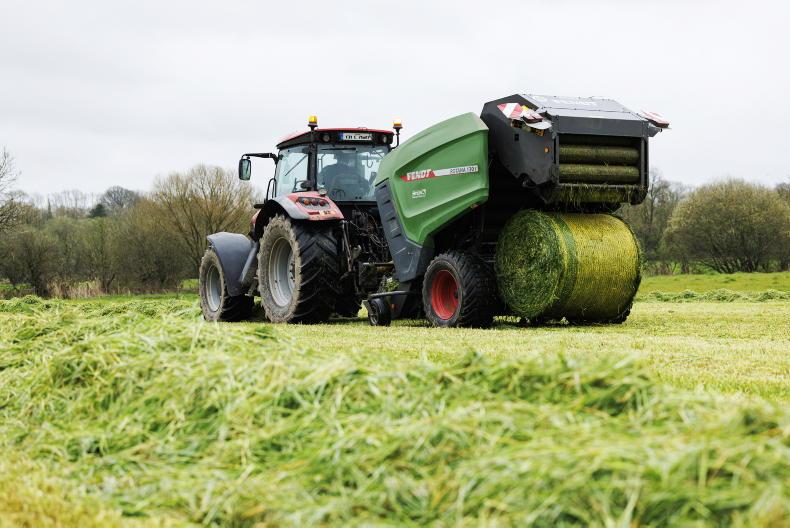
All the signs are pointing towards drystock farms growing less grass in 2022 than normal. This will come as no surprise to many, as fertiliser prices reach record highs.
Teagasc's Pearse Kelly gave a rundown of results of a survey carried out with 936 Teagasc drystock clients from April 8 to 14 at the third meeting of the National Fodder and Feed Security Committee on Thursday 21 April.
He started off by noting that 61% of those surveyed had no difficulty in getting fertiliser delivered and advisers are not reporting difficulties for farmers sourcing fertiliser at present.
Not painting a good picture
However, the usage figures did not paint a good picture.
Forty-five percent of those surveyed had no nitrogen spread on grazing ground at that time. Also, 45% plan to cut nitrogen rates on grazing ground by up to 30% in 2022, while 27% plan to cut nitrogen rates by 30% to 50%.
Those cutting rates plan to improve grassland management, cut stock numbers and reduce silage production.
Sevfenty-five percent of those surveyed will carry over some silage stocks from last winter, while 25% will carry over at least 20%.
Fifty-seven percent of the farmers surveyed plan to reduce the amount of nitrogen spread on silage ground, while 19% will reduce nitrogen rates by 10 to 20 units per acre. Meanwhile, 16% plan to reduce nitrogen rates by over 20 units per acre.
Narrative
Pearse stated that this is “feeding into the same narrative that we’re going to grow less grass in 2022”.
He added that 8% of drystock farmers surveyed availed of the Tillage Incentive Scheme (TIS) to grow cereals.
Forty percent of those intend to retain that land in tillage in 2023. The remaining 60% plan to put the land back into grass through under-sowing the cereal crop or reseeding.
The survey also showed that 22% of those surveyed intend to plant multi-species swards or red clover under the new schemes from the Department of Agriculture.
Interestingly, Noel Feeney of the Agricultural Consultants Association noted at the meeting that its members were reporting low levels of uptake under the scheme.
'Wait-and-see' approach on silage
Head of dairy knowledge transfer at Teagasc Joe Patton noted that many farms were continuing their normal routine on silage.
However, two-thirds of dairy farmers who reported that they were short on silage said they are in a “wait-and-see” frame of mind and Patton noted that this needs to be addressed.
Positively, he reported that 60% of dairy farms intend to do something on clover, whether that be over-sowing or reseeding.
The next meeting of the National Fodder and Food Security Committee will take place after the main bulk of first-cut silage has been harvested.





SHARING OPTIONS