With a grace period that allows veterinary medicines to move from Britain to NI running out at the end of December 2022, there is a growing sense of alarm that a significant number of products will not be available to NI farmers in the new year.
Unless solutions are found, from 1 January 2023, the terms of the Brexit withdrawal agreement mean that all veterinary products used in the EU, including NI, must be licensed in the EU.
Given the limited size of the local market, industry sources maintain re-licensing for NI is not a process companies are likely to deem cost-effective.
At risk is around 50% of all products used here.
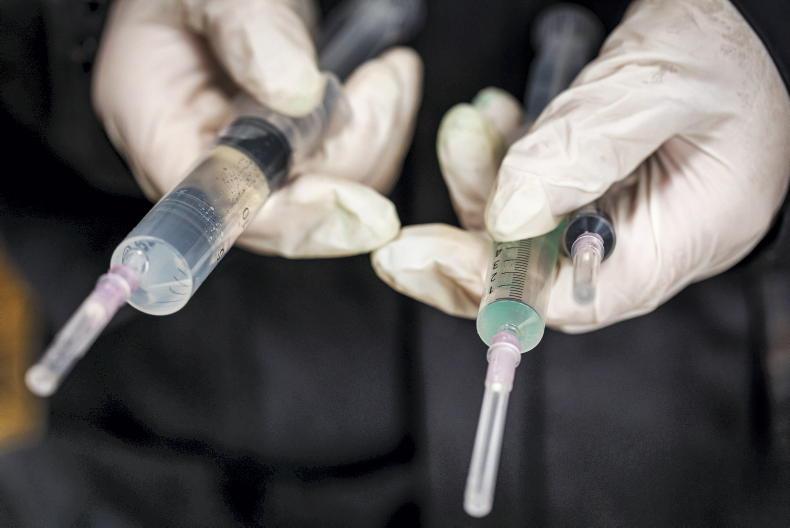
The list includes some critical animal health vaccines against the likes of BVD and pneumonia in cattle, and salmonella in birds, as well as various anti-inflammatory drugs, anthelmintics, vitamins and even insulin used to treat diabetes in dogs.
In addition, there would be no botulism vaccine available in NI next year, as it is manufactured in South Africa and not approved for EU use.
Frustrated
Despite intensive industry lobbying, industry sources are increasingly frustrated at the lack of urgency within the UK and EU to resolve the issue.
“The grace period for vet medicines has to be extended permanently.
“We have been told that the UK government will use the NI Protocol bill to sort it, if necessary, but the passage of that bill through Westminster is uncertain,” commented a source.
According to Dr Mark Little from the North of Ireland Veterinary Association, the only other option is to get a special import licence, administered by the UK Veterinary Medicines Directorate (VMD). It would allow medicines approved in other EU member states to be imported into NI.
“It is a paperwork- and time-heavy process. The cost of that will be added to the cost of a vaccine. Will it be double? We just don’t know. But it will put us at a distinct disadvantage,” he told the Irish Farmers Journal.
Read more
Protocol is good and bad, says Poots
NI protocol works for dairy - Lakeland CEO
With a grace period that allows veterinary medicines to move from Britain to NI running out at the end of December 2022, there is a growing sense of alarm that a significant number of products will not be available to NI farmers in the new year.
Unless solutions are found, from 1 January 2023, the terms of the Brexit withdrawal agreement mean that all veterinary products used in the EU, including NI, must be licensed in the EU.
Given the limited size of the local market, industry sources maintain re-licensing for NI is not a process companies are likely to deem cost-effective.
At risk is around 50% of all products used here.
The list includes some critical animal health vaccines against the likes of BVD and pneumonia in cattle, and salmonella in birds, as well as various anti-inflammatory drugs, anthelmintics, vitamins and even insulin used to treat diabetes in dogs.
In addition, there would be no botulism vaccine available in NI next year, as it is manufactured in South Africa and not approved for EU use.
Frustrated
Despite intensive industry lobbying, industry sources are increasingly frustrated at the lack of urgency within the UK and EU to resolve the issue.
“The grace period for vet medicines has to be extended permanently.
“We have been told that the UK government will use the NI Protocol bill to sort it, if necessary, but the passage of that bill through Westminster is uncertain,” commented a source.
According to Dr Mark Little from the North of Ireland Veterinary Association, the only other option is to get a special import licence, administered by the UK Veterinary Medicines Directorate (VMD). It would allow medicines approved in other EU member states to be imported into NI.
“It is a paperwork- and time-heavy process. The cost of that will be added to the cost of a vaccine. Will it be double? We just don’t know. But it will put us at a distinct disadvantage,” he told the Irish Farmers Journal.
Read more
Protocol is good and bad, says Poots
NI protocol works for dairy - Lakeland CEO






SHARING OPTIONS