Due to the fact that there was no private ownership of land and agricultural machinery during the USSR, there are almost no farming dynasties in Ukraine. The majority of Ukrainian farmers are people who at one time changed their profession and decided to start engaging in complex agrarian business.
Yuliya Peretyatko is a young woman who worked in a pharmacy five years ago. Her place of work was located in Maryinka, a town on the very front line in the east of Ukraine. Since the Russian invasion and annexation of Crimea in 2014, Yuliya has become accustomed to the daily sounds of explosions and constant risk.
“In 2016, I faced a choice. I had to either move to a calmer big city and look for a job there, or try to start my own business,” she says.
Ukrainian farmer Yuliya Peretyatko
“Our family had several acres of land, which were previously rented out. We decided to start growing some rare agricultural crops on them in order to make the production as profitable as possible.”
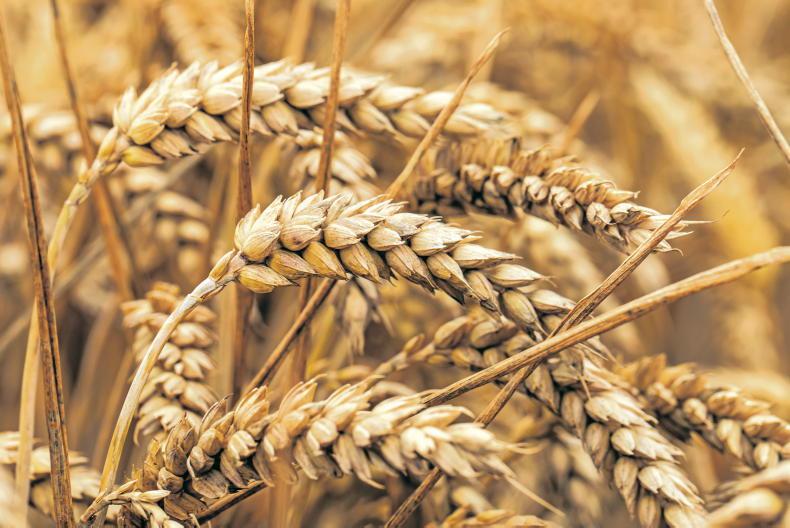
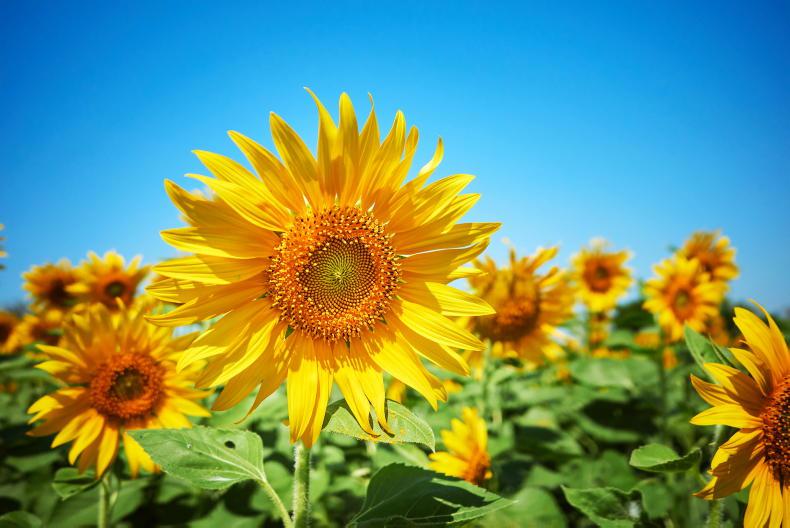
Together with her husband, Yuliya began to grow garlic and sweet corn, as well as more traditional crops like sunflowers, wheat and barley. Starting your own business in Ukraine, however, is very difficult. The annual interest on a bank loan can exceed 30%, so not every Ukrainian is ready to take the risk.
“The fact that I actively sought help from international organisations and participated in various projects helped me,” says Yuliya. “We managed to purchase a new tractor and two planters. Gradually we began to develop our farm and I hoped to get excellent results already this year.”
As well as farming, Yuliya was actively involved in social projects and helped those who were less fortunate. She also organized an agro-hub for the exchange of agricultural services, as not all Ukrainian farmers have their own planters, trucks or combines.
“However, all these plans were disrupted by the large-scale invasion of Russian troops into Ukraine on 24 February 2022. It was real hell,” says Yuliya.
“It was necessary to make some specific decision. I was pregnant, and it was no longer possible to work in our fields. We decided to move to a safer region of Ukraine.”
Unfortunately, millions of Ukrainian families had to make similar decisions this year. Some of the refugees went abroad, while others went to more western regions of Ukraine. However, simply moving is one thing. It is quite another thing to find permanent housing and work there. After all, Ukraine has lost almost half of its economy, so earning a living is difficult even for previously successful specialists.
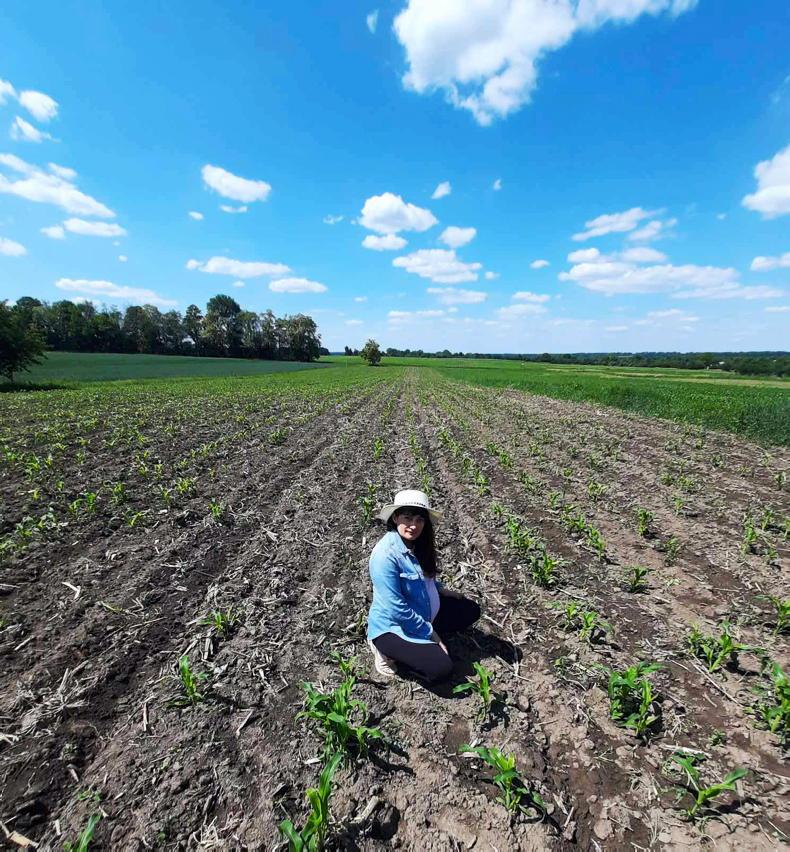
Yuliya Peretyatko is trialling growing medicinal plants in the Vinnytsia region of Ukraine
“We convinced our employees, who are actually our friends, to evacuate,” says Yuliya. “However, it was impossible to take our property and equipment out of the village, which was constantly under fire. The only thing we were able to save was our new tractor. Therefore, we arrived at our new place of residence with almost no belongings.”
However, the Ukrainian farmer never backs down in the face of difficulties. Having settled in the western Vinnytsia region- one of the most fertile regions of the country- the Peretyatko family began to look for ways out of a difficult situation.
“I have a pharmaceutical education, so I have always been interested in medicinal plants. Back when we worked in the east of Ukraine, we tried to grow them. However, the best conditions for their vegetation, as it turned out, are exactly where we live now. We did soil analyses and sowed test plots of various medicinal plants. And they grow perfectly here,” says Yuliya.
They have managed to rent a piece of land on which rare medicinal plants will be sown next year. But the Peretyatko family is not going to limit itself to cultivation.
“We want to independently produce healing herbal mixtures that can improve people’s health. In addition, we plan to conduct special training for those farmers who want to grow medicinal plants or use them correctly for treatment,” explains Yuliya.
Helping others
But despite their own difficult financial situation, Yuliya and her husband still find time and strength to help other people who remained in the war zone in eastern Ukraine.
“These are mostly elderly people, women and children who cannot move to safer regions of Ukraine. They remain in settlements where there is no heating, electricity and water, where shops and hospitals do not work. They have been living in cold basements for almost a year. And we try to somehow make their life easier,” says Yuliya, who has been collecting humanitarian aid with international organisations to take to cities destroyed by Russian shelling.
“These are mainly food, warm clothes and personal hygiene items. The latter is especially important because people do not have water. My husband personally drives aid trucks to these regions. I would also like to go, but I cannot now, as my child is only five months old,” says Yuliya.
Along with this, she is trying to help the refugees who managed to leave the frontline regions.
“Right now, I am looking for housing for a large family and a used laptop for a disabled boy. I will be grateful if any of the Irish who read this article will help to solve this problem,” says Yuliya.
Yuliya does not yet know how her family’s life will turn out in the future.
“We really want to return home - to our native farm. However, it is necessary to look at things soberly - the war will not end today, and not tomorrow. In addition, all the fields there are mined and it will take years to remove all the shells and mines from the ground. So now we started a new life in a new place. We will work on our conscience, and we will see then. I really hope for our victory.”
Ihor Pavliuk is a Ukrainian agrarian journalist with 17 years of experience. He lives in central Ukraine in a small town with 13,000 inhabitants, where he has his own vegetable garden to grow food for his family.
Due to the fact that there was no private ownership of land and agricultural machinery during the USSR, there are almost no farming dynasties in Ukraine. The majority of Ukrainian farmers are people who at one time changed their profession and decided to start engaging in complex agrarian business.
Yuliya Peretyatko is a young woman who worked in a pharmacy five years ago. Her place of work was located in Maryinka, a town on the very front line in the east of Ukraine. Since the Russian invasion and annexation of Crimea in 2014, Yuliya has become accustomed to the daily sounds of explosions and constant risk.
“In 2016, I faced a choice. I had to either move to a calmer big city and look for a job there, or try to start my own business,” she says.
Ukrainian farmer Yuliya Peretyatko
“Our family had several acres of land, which were previously rented out. We decided to start growing some rare agricultural crops on them in order to make the production as profitable as possible.”
Together with her husband, Yuliya began to grow garlic and sweet corn, as well as more traditional crops like sunflowers, wheat and barley. Starting your own business in Ukraine, however, is very difficult. The annual interest on a bank loan can exceed 30%, so not every Ukrainian is ready to take the risk.
“The fact that I actively sought help from international organisations and participated in various projects helped me,” says Yuliya. “We managed to purchase a new tractor and two planters. Gradually we began to develop our farm and I hoped to get excellent results already this year.”
As well as farming, Yuliya was actively involved in social projects and helped those who were less fortunate. She also organized an agro-hub for the exchange of agricultural services, as not all Ukrainian farmers have their own planters, trucks or combines.
“However, all these plans were disrupted by the large-scale invasion of Russian troops into Ukraine on 24 February 2022. It was real hell,” says Yuliya.
“It was necessary to make some specific decision. I was pregnant, and it was no longer possible to work in our fields. We decided to move to a safer region of Ukraine.”
Unfortunately, millions of Ukrainian families had to make similar decisions this year. Some of the refugees went abroad, while others went to more western regions of Ukraine. However, simply moving is one thing. It is quite another thing to find permanent housing and work there. After all, Ukraine has lost almost half of its economy, so earning a living is difficult even for previously successful specialists.

Yuliya Peretyatko is trialling growing medicinal plants in the Vinnytsia region of Ukraine
“We convinced our employees, who are actually our friends, to evacuate,” says Yuliya. “However, it was impossible to take our property and equipment out of the village, which was constantly under fire. The only thing we were able to save was our new tractor. Therefore, we arrived at our new place of residence with almost no belongings.”
However, the Ukrainian farmer never backs down in the face of difficulties. Having settled in the western Vinnytsia region- one of the most fertile regions of the country- the Peretyatko family began to look for ways out of a difficult situation.
“I have a pharmaceutical education, so I have always been interested in medicinal plants. Back when we worked in the east of Ukraine, we tried to grow them. However, the best conditions for their vegetation, as it turned out, are exactly where we live now. We did soil analyses and sowed test plots of various medicinal plants. And they grow perfectly here,” says Yuliya.
They have managed to rent a piece of land on which rare medicinal plants will be sown next year. But the Peretyatko family is not going to limit itself to cultivation.
“We want to independently produce healing herbal mixtures that can improve people’s health. In addition, we plan to conduct special training for those farmers who want to grow medicinal plants or use them correctly for treatment,” explains Yuliya.
Helping others
But despite their own difficult financial situation, Yuliya and her husband still find time and strength to help other people who remained in the war zone in eastern Ukraine.
“These are mostly elderly people, women and children who cannot move to safer regions of Ukraine. They remain in settlements where there is no heating, electricity and water, where shops and hospitals do not work. They have been living in cold basements for almost a year. And we try to somehow make their life easier,” says Yuliya, who has been collecting humanitarian aid with international organisations to take to cities destroyed by Russian shelling.
“These are mainly food, warm clothes and personal hygiene items. The latter is especially important because people do not have water. My husband personally drives aid trucks to these regions. I would also like to go, but I cannot now, as my child is only five months old,” says Yuliya.
Along with this, she is trying to help the refugees who managed to leave the frontline regions.
“Right now, I am looking for housing for a large family and a used laptop for a disabled boy. I will be grateful if any of the Irish who read this article will help to solve this problem,” says Yuliya.
Yuliya does not yet know how her family’s life will turn out in the future.
“We really want to return home - to our native farm. However, it is necessary to look at things soberly - the war will not end today, and not tomorrow. In addition, all the fields there are mined and it will take years to remove all the shells and mines from the ground. So now we started a new life in a new place. We will work on our conscience, and we will see then. I really hope for our victory.”
Ihor Pavliuk is a Ukrainian agrarian journalist with 17 years of experience. He lives in central Ukraine in a small town with 13,000 inhabitants, where he has his own vegetable garden to grow food for his family.
SHARING OPTIONS