


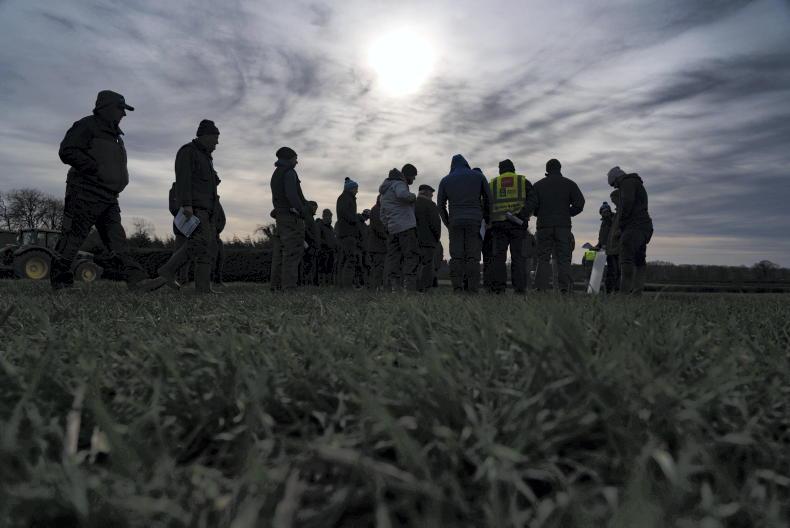
The national tillage area looks set to decline this year despite a target in the Climate Action Plan to increase that area to 400,000ha by 2030.
Over the past week, the Irish Farmers Journal has spoken to tillage farmers across the country who have lost leased land from their portfolios. Grain merchants are also expressing concern, as this could cause grain supply issues this season and into the future.
One agronomist in the south-east revealed a total of 800ac of tillage land had been lost by a number of his clients in the past few weeks. Other farmers reported individual losses of 50-260ac each.
The main driver behind this is demand for land from dairy farmers who need an estimated 28,000 additional acres to hold current cow numbers if new nitrates banding and lower stocking rate rules are to be counteracted. For other tillage farms, land switching to solar farms is part of the competition.
The majority of tillage farmers will see their CAP payments decline this year. Working on the current market price for grain, farmers are suggesting that €250-300/ac is the maximum price they can pay for land to leave a profit. Given increased competition, leased land is making over €500/ac in many places.
The main driver behind this is demand for land from dairy farmers
The majority of farmers contacted also stated that much of their rented land was in long-term leases and when these leases are up, they do not expect to be able to hold onto them. Tillage area declined when quotas were lifted and now it appears to be about to decline again, due to new nitrates rules impacting dairy farmers.
At the Laois IFA AGM last week, Minister for Agriculture Charlie McConalogue said he is aware of the problem and was open to suggestions.
CEO of Acorn Independent Merchants, Barry Larkin, told the Irish Farmers Journal: “Currently, policy is forcing the arable sector out of business and is contradicting the targets set out in the Climate Action Plan to increase cropping area.”
He added that 66% of animal feed grains are imported and that to ensure animal feed security and improve environmental credentials, we need a vibrant tillage sector in this country.
Currently, policy is forcing the arable sector out of business and is contradicting the targets set out in the Climate Action Plan to increase cropping area
Meanwhile, a meeting of tillage stakeholders was held on Monday in Athy by a UK-based company hired by the Department of Agriculture to define the barriers and opportunities for tillage in Ireland.
The tillage area increased in 2022 by 6%, by 2% in 2021 and by 6% in 2020. The Tillage Incentive Scheme contributed to the 2022 increase. However, some of this land was under-sown with grass and will not return to tillage this year.
Tillage farms are estimated to produce four times less greenhouse gas emissions than beef and eight times less than dairy, hence the target to increase its area under the Climate Action Plan.



SHARING OPTIONS