



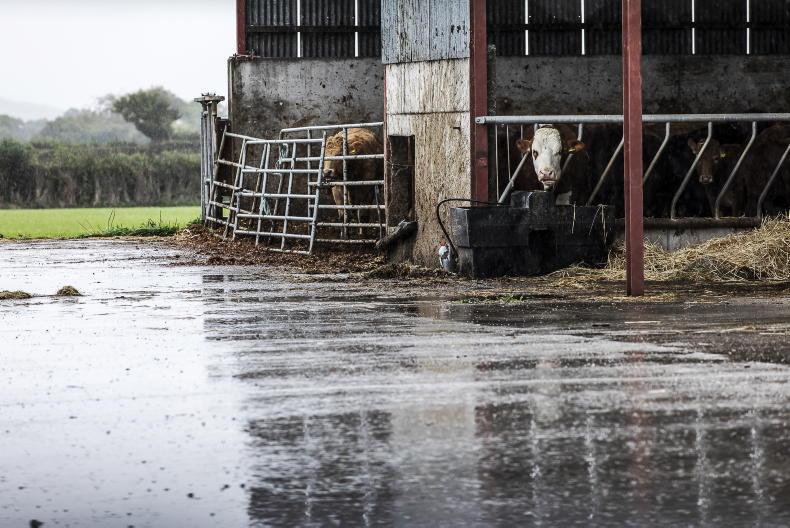
Rainfall levels have been two to three times more than normal in the past week, according to Met Éireann.
Up to Tuesday 26 March, over 150mm of rain had been recorded over high ground in the southwest, while the east and south midlands recorded 30mm to 60mm.
March has seen record high levels of rainfall compared to normal levels.
Twenty-three of Met EireHigh rainfall hits turn out, lambing and fieldworkceeded the 30-year average rainfall figures in March.
For example, Kerry’s Valentia station had over 206mm fall in the month.
This is already 65% wetter than last March and 40% wetter than the long term average.
It will continue to be wetter than average over the coming week according to Met Éireann, but not quite as wet as last week.
In the region of 30mm to 50mm is likely over the coming week, with the highest amounts in the west and southwest, where 80mm is likely over mountains. Around 20mm is likely along the east and southeast coast.
In stark contrast, February was a particularly dry month across all counties.
There was 77% less rainfall in February 2023 compared to February 2022, according to Met Éireann.
Cattle housed
Some farms in the northwest have been forced to re-house stock to avoid severe poaching. With sheds now at capacity on many farms, herding skills will need to be very high over the next few days to avoid disease outbreak. Management of bedding, fodder and weanling turnout is critical to ease the pressure. See ?beef management on page 78.
Lambing losses
There was a brief reprieve in weather conditions in the early part of this week, but conditions remain challenging for many. Some farmers have witnessed significant levels of lamb mortality spanning back to the snow that fell a fortnight ago.
The delay in getting ewes and lambs outdoors and difficult underfoot conditions, combined with poor grass utilisation has increased what were already high costs.
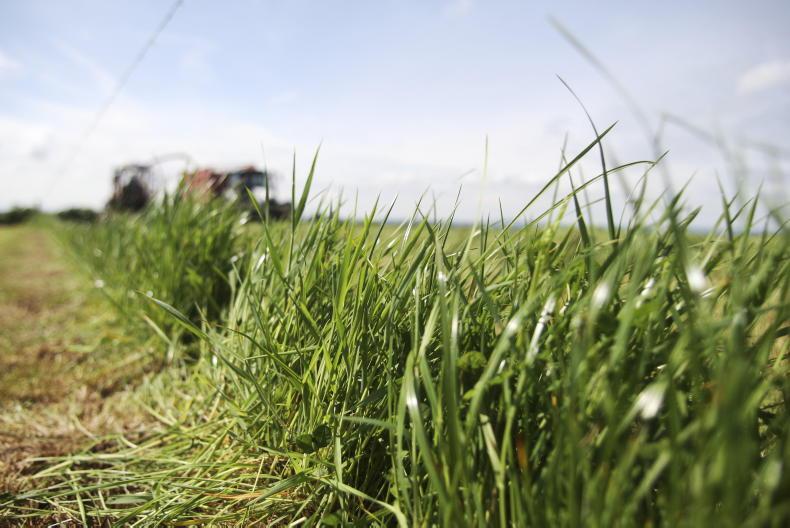
A period of improved weather is badly needed to allow farmers apply fertiliser, boost grass growth and reduce pressure on input costs.
Many hill and outdoor lambing systems are also entering peak activity and, in the absence of any marked improvement in weather and in ground conditions, these flocks will continue to face considerable challenges and higher costs.
Tillage
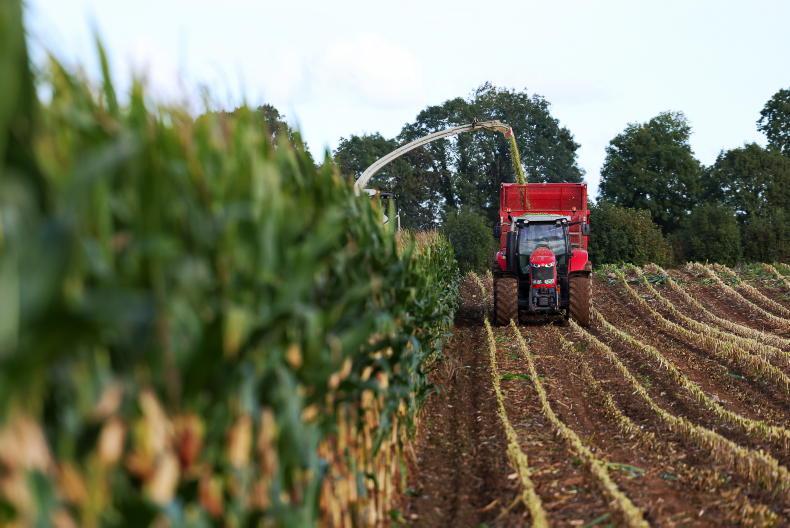
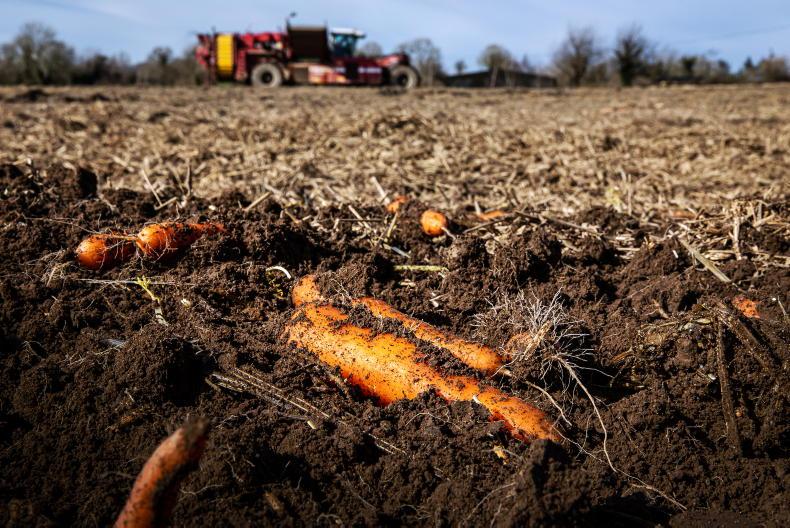
While last Monday provided some good drying and opportunities for fieldwork in winter crops on farms, continuing rain has halted spring sowing. A large workload lies ahead for most tillage farmers, with the majority of spring crops still to be planted as we move into April.


SHARING OPTIONS