Irish Water urges farmers to be mindful of waterways when using pesticides. / Lorcan Allen
ADVERTISEMENT
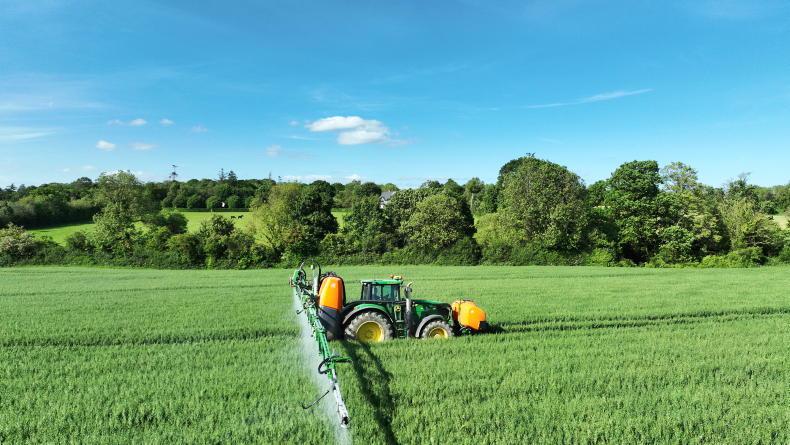
Farmers and gardeners are among those who have been warned to take extreme care when using pesticides.
Irish Water has said that while notable progress has been made in reducing the impact of pesticide use on drinking water sources, scope for improvement remains.
In 2022, there were 48 pesticide breaches recorded in public drinking water supplies. These breaches were detected as part of Uisce Éireann’s public water supply monitoring programme from a total of over 35,000 samples.
ADVERTISEMENT
Uisce Éireann’s drinking water compliance lead Dr Pat O’Sullivan said: “While our consultation with the HSE has concluded that the levels we are detecting do not represent a threat to public health, they are still however undesirable in drinking water and it is therefore imperative that users of pesticides are mindful of best practice when using herbicides or pesticides and seek out alternatives.”
Priority areas
Four catchment areas have been prioritised for action by Uisce Éireann, because they have recorded recurring pesticide breaches. These are Belturbet, Co Cavan; Clonroche, Co Wexford; Newport, Co Mayo; and Foynes Shannon Estuary, Co Limerick.
Members of the National Pesticides and Drinking Water Action Group (NPDWAG) and local focus groups aim to co-ordinate targeted actions in these areas.
Uisce Éireann and the NPDWAG are asking the farming community and domestic users of pesticides to consider whether they need to use pesticides at all. Pesticides must only be used where strictly necessary.
Biodiversity
Leaving areas unsprayed can help native flowering plant species to grow and support a range of insects, including bees and other vital pollinators.
One third of Ireland’s bee species are threatened with extinction and by helping the bee population survive and thrive, we are also helping to protect our precious water sources.
Irish Water said that farmers should also bear in mind that the application of herbicides reduces sward species diversity and could negatively impact on payments through agri-environmental schemes.
Advice on how to control rushes using MCPA can be found here:
How to reduce risk
If pesticides have to be used, steps to reduce risks to drinking water sources and the aquatic environment are:
Choose the right pesticide product (products containing MCPA are NOT approved for use in weed-wipers and are not permitted to be used from the end of September until the beginning of March).
Read and follow the product label.
Do not use pesticides if rain is forecast in the next 48 hours.
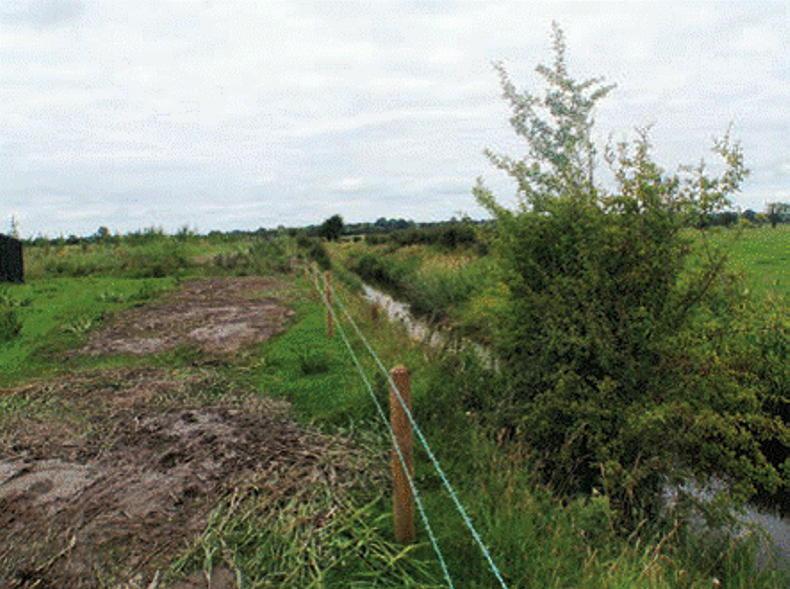
Make sure you are aware of the location of all nearby water courses.
Comply with any buffer zone specified on the product label to protect the aquatic environment.
Avoid spills, stay well back from open drains and rinse empty containers three times into the sprayer.
Store and dispose of pesticides and their containers properly.
Never fill a sprayer directly from a water course or carry out mixing, loading or other handling operations beside a water course.
Register for free to read this story and our free stories.
This content is available to digital subscribers and loyalty code users only. Sign in to your account, use the code or subscribe to get unlimited access.
The reader loyalty code gives you full access to the site from when you enter it until the following Wednesday at 9pm. Find your unique code on the back page of Irish Country Living every week.
CODE ACCEPTED
You have full access to the site until next Wednesday at 9pm.
CODE NOT VALID
Please try again or contact support.
Farmers and gardeners are among those who have been warned to take extreme care when using pesticides.
Irish Water has said that while notable progress has been made in reducing the impact of pesticide use on drinking water sources, scope for improvement remains.
In 2022, there were 48 pesticide breaches recorded in public drinking water supplies. These breaches were detected as part of Uisce Éireann’s public water supply monitoring programme from a total of over 35,000 samples.
Uisce Éireann’s drinking water compliance lead Dr Pat O’Sullivan said: “While our consultation with the HSE has concluded that the levels we are detecting do not represent a threat to public health, they are still however undesirable in drinking water and it is therefore imperative that users of pesticides are mindful of best practice when using herbicides or pesticides and seek out alternatives.”
Priority areas
Four catchment areas have been prioritised for action by Uisce Éireann, because they have recorded recurring pesticide breaches. These are Belturbet, Co Cavan; Clonroche, Co Wexford; Newport, Co Mayo; and Foynes Shannon Estuary, Co Limerick.
Members of the National Pesticides and Drinking Water Action Group (NPDWAG) and local focus groups aim to co-ordinate targeted actions in these areas.
Uisce Éireann and the NPDWAG are asking the farming community and domestic users of pesticides to consider whether they need to use pesticides at all. Pesticides must only be used where strictly necessary.
Biodiversity
Leaving areas unsprayed can help native flowering plant species to grow and support a range of insects, including bees and other vital pollinators.
One third of Ireland’s bee species are threatened with extinction and by helping the bee population survive and thrive, we are also helping to protect our precious water sources.
Irish Water said that farmers should also bear in mind that the application of herbicides reduces sward species diversity and could negatively impact on payments through agri-environmental schemes.
Advice on how to control rushes using MCPA can be found here:
How to reduce risk
If pesticides have to be used, steps to reduce risks to drinking water sources and the aquatic environment are:
Choose the right pesticide product (products containing MCPA are NOT approved for use in weed-wipers and are not permitted to be used from the end of September until the beginning of March).
Read and follow the product label.
Do not use pesticides if rain is forecast in the next 48 hours.
Make sure you are aware of the location of all nearby water courses.
Comply with any buffer zone specified on the product label to protect the aquatic environment.
Avoid spills, stay well back from open drains and rinse empty containers three times into the sprayer.
Store and dispose of pesticides and their containers properly.
Never fill a sprayer directly from a water course or carry out mixing, loading or other handling operations beside a water course.
If you would like to speak to a member of our team, please call us on 01-4199525.
Link sent to your email address
We have sent an email to your address. Please click on the link in this email to reset your password. If you can't find it in your inbox, please check your spam folder. If you can't find the email, please call us on 01-4199525.
ENTER YOUR LOYALTY CODE:
The reader loyalty code gives you full access to the site from when you enter it until the following Wednesday at 9pm. Find your unique code on the back page of Irish Country Living every week.
SHARING OPTIONS