


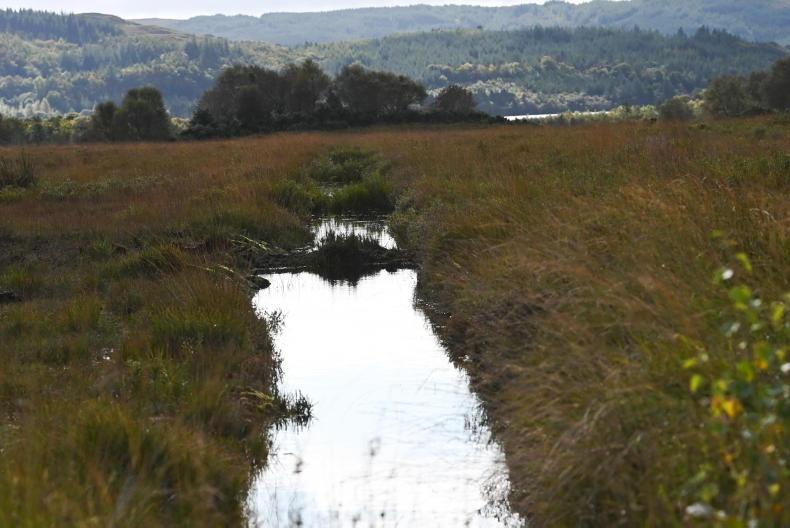
A new biodiversity restoration project, which will see a range of nature restoration measures carried out in Wicklow Mountains National Park, has been announced by Minister for the Environment Eamon Ryan and Minister for Heritage and Electoral Reform Malcolm Noonan.
Led by the National Parks and Wildlife Service (NPWS), the project will focus on Glenasmole Valley, a 2,000ha site which is the source of the River Dodder, that flows through south Co Dublin.
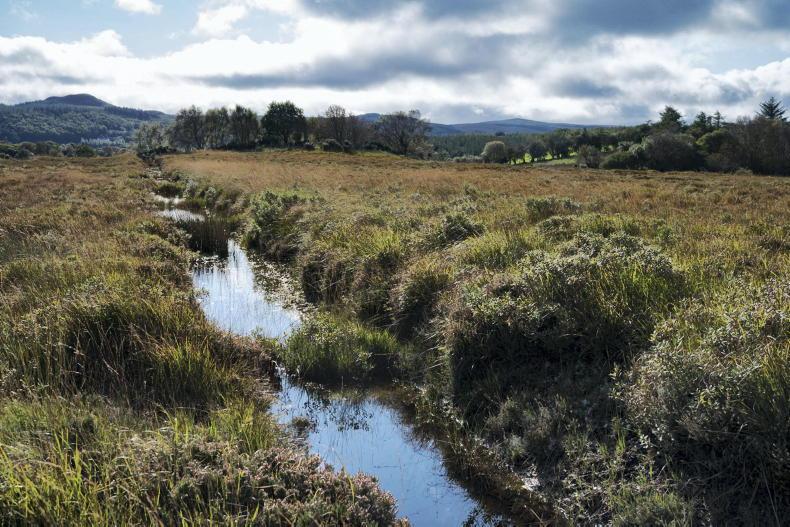
The measures of this project include rewetting the blanket bog and planting native trees in deep gullies to support biodiversity, water quality and flood management in south Co Dublin.
The site has been actively farmed for generations and these practices continue today in the national park.
Local farmers have experience in active conservation through a recent Sustainable Uplands Agri-environment Scheme (SUAS) project.
Improved grazing
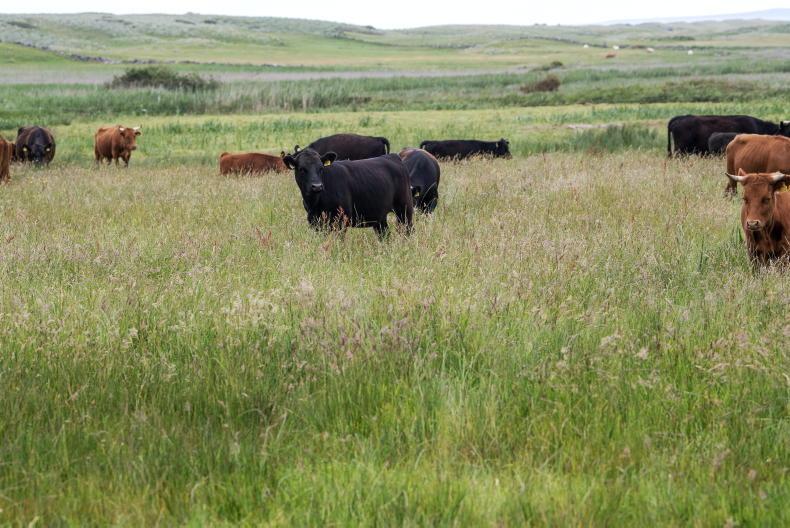
Minister Ryan and Minister Noonan announced on 22 May that this restoration plan will have improvements in habitat while increasing biodiversity, as it will also offer improved grazing and shade for grazing animals on site, thereby delivering benefits for both wildlife and livestock long into the future.
Minister Noonan said: “It’s fantastic to see the National Parks and Wildlife Service leading on this ambitious and innovative catchment-based biodiversity restoration project and working closely with local farmers to deliver results - collaboration is key in ensuring meaningful biodiversity action.
“The project will have benefits for rural communities at the top of the catchment as well as those living downstream in the city,” he added.
Benefits
As part of the announcement of the restoration plan for the Glenasmole Valley, Minister Ryan said: “As a Dublin TD, this is a particularly special project for me, as it combines the restoration of nature with climate action and means real, tangible benefits for people – so nature and people both win here.
“Bog restoration and native tree planting will not only help wildlife and reduce emissions, it will ensure better water quality for the people of Dublin and help to mitigate flooding, which is a significant issue for people living along the River Dodder - which flows all the way from this valley to the city centre,” he added.




SHARING OPTIONS