


Proposed new planning rules will make it even more difficult to get planning permission for new and replacement farm buildings in most parts of NI.
Two options have been put forward by DAERA, with both proposals setting out stricter criteria than previously used for assessing planning applications.
The previous guidance used by DAERA was developed in 2012, however, a consultation published by the Department last week states that it is effectively outdated.
“Since 2012, the body of scientific evidence on the impacts of air pollution on designated sites and protected habitats has greatly increased,” the document states.
Levels of ammonia
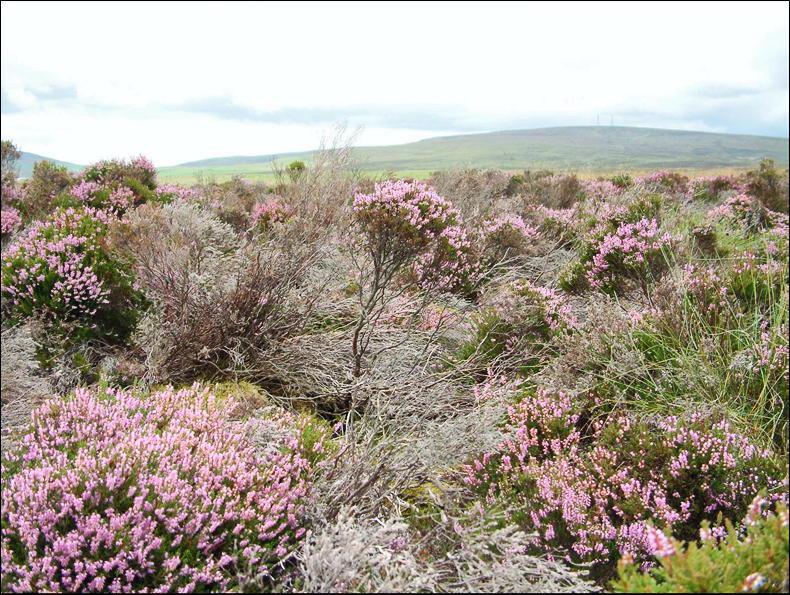
The issue with planning for farm buildings surrounds ammonia, which is emitted from livestock manure and is deposited as nitrogen in sensitive habitats, such as bogs and woodlands.
Sites with environmental designation have “critical levels” for ammonia, where damage to plants and biodiversity occurs if emissions go above these levels.
Both of DAERA’s options for new planning guidance will require an application to go through a detailed assessment if the proposed building is within 7.5km of a designated site and will have ammonia emissions above 0.1% of the site’s critical level.
The previous planning rules, which were used by DAERA until last month, stated that if a proposed building contributed to less than 1% of the critical level then it could be considered for approval.
The proposed rules will affect most parts of NI, as the consultation document states that 77% of NI is within 7.5km of a designated site and the “vast majority” of sites are already damaged by ammonia.
For example, 98% of Special Areas of Conservation (SAC) and 95.7% of Areas of Special Scientific Interest (ASSIs) have nitrogen deposition rates exceeding their critical load.
Previous guidance
The previous planning guidance was dropped by DAERA last month and all applications in the planning system are on hold until new rules are in place.
However, the DAERA consultation makes it clear that new planning rules will not be finalised until an Executive is in place at Stormont.
“This is your opportunity to help inform and shape the proposals to the next Minister for Agriculture, Environment and Rural Affairs,” the document states.
Whilst the consultation allows farmer representatives, environmental groups and the public to submit additional evidence to help design new planning guidance, there could be little scope for the proposals to be changed significantly.
For example, 16 factors are listed which influence planning guidance, but DAERA is only seeking additional evidence or asks questions on three of them. For the other 13 factors, the Department states that “additional evidence is not applicable”.



SHARING OPTIONS