My wife, Susan, is an orthoptist. She deals exclusively with eyes – or, to be more accurate, she deals with eye problems.
Bear with me and I’ll explain why this seemingly pointless information is connected in any way to an article about agriculture.
A lot of her patients are young children with squints, lazy eyes or other conditions that I don’t understand. However, I do know that many of them end up wearing glasses with a patch over one eye, to help correct their defective vision.
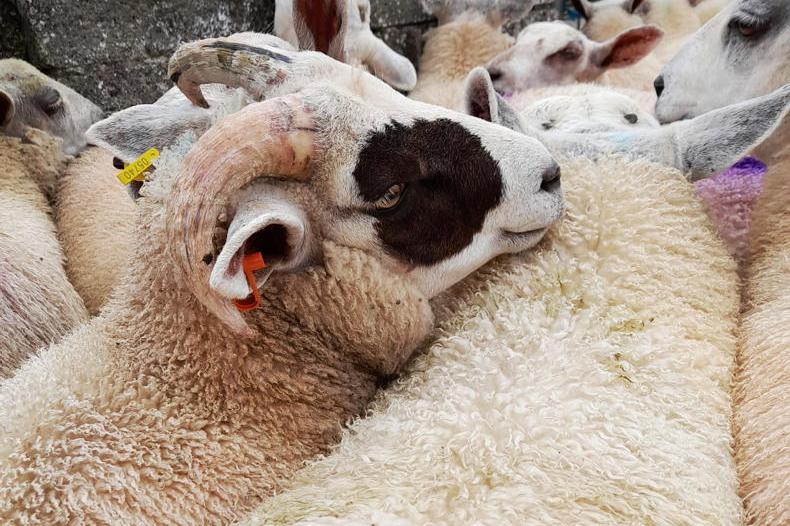
Therefore, when we had a lamb born with a perfect black ‘patch’ covering one eye, Susan immediately saw a golden opportunity to adopt him as a sort of ocular mascot that would surely appeal to her colleagues and younger patients.
So we named him Patch (original thinkers, us Robinsons), took a few photos and she circulated these images around to her workmates. So far, so good. But then as the weeks passed, they began enquiring into Patch’s wellbeing, so she took more pictures to show how he was thriving (you can probably see where this story is heading).
March lamb
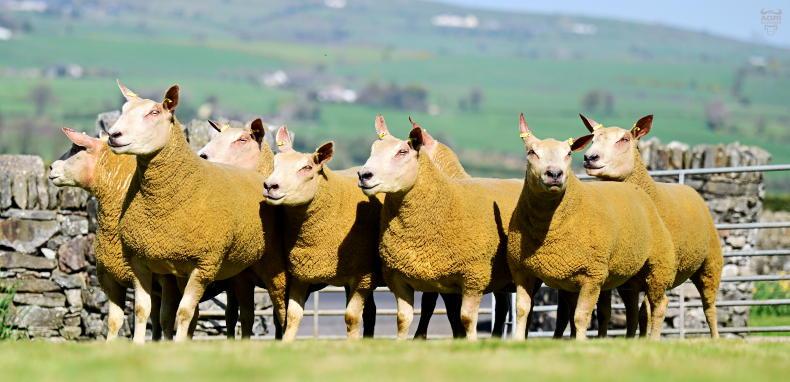
Patch was a ram lamb, one of a double, born on 3 March. He was a Charollais lamb out of a Texel x Mule mother.
She is one of my milkier ewes, and that batch was fed meal at grass for about four weeks, and then concentrate feeding was stopped. Patch was dosed once for Nematodirus, and 10 days later he was also dosed to control potential coccidiosis.
Apart from those medicinal interludes, he thrived like a gosling, because he weighed 46kg at just over four months of age and was sent to the factory on 12 July.
By a rough reckoning, he must have averaged 320g/day, which makes him a high achiever by my standards. I wish more of them would perform similarly.
Incidentally, his carcase weighed 21kg, he graded R2, and turned himself into a very useful £121.80. Therefore, it was a happy ending for me, less so for Patch, and Susan was left with a bit of explaining to do when people enquired about the cuddly wee lamb with the black eye.
Disconnect
Therein lies a huge issue with the modern disconnect between doe-eyed farm animals and the reality that they end up on our dinner tables.
Susan says that at least 50% of the people based in the country hospital where she works would have no issue at all with Patch.
He was born on a commercial farm, was well treated, lived what most of us would describe as a happy and contented life, and was humanely slaughtered so that someone could enjoy a bit of flavoursome lamb.
Not so, however, the remainder of her base, which is decidedly urban.
When I dared her to respond to questions concerning her orthoptic mascot with a casual, “awh, he was a super lamb, made over £120 at the factory”, she said she’d rather tell a small fib and be suitably vague about his whereabouts on the farm.
It’s hard to see any way out of this current situation, with relatively few people in modern society having any real clue about how food is produced.
On the other hand, maybe it’s better that way? Might it be counterproductive to educate an urban population with the details and intricacies of meat production, even in the highest welfare cases? Maybe it’s best to let the hare sit.
Read more
Beware of ‘cuckoo-corn’ in second-division soil
Farmer Writes: latest stories from the lambing shed
My wife, Susan, is an orthoptist. She deals exclusively with eyes – or, to be more accurate, she deals with eye problems.
Bear with me and I’ll explain why this seemingly pointless information is connected in any way to an article about agriculture.
A lot of her patients are young children with squints, lazy eyes or other conditions that I don’t understand. However, I do know that many of them end up wearing glasses with a patch over one eye, to help correct their defective vision.
Therefore, when we had a lamb born with a perfect black ‘patch’ covering one eye, Susan immediately saw a golden opportunity to adopt him as a sort of ocular mascot that would surely appeal to her colleagues and younger patients.
So we named him Patch (original thinkers, us Robinsons), took a few photos and she circulated these images around to her workmates. So far, so good. But then as the weeks passed, they began enquiring into Patch’s wellbeing, so she took more pictures to show how he was thriving (you can probably see where this story is heading).
March lamb
Patch was a ram lamb, one of a double, born on 3 March. He was a Charollais lamb out of a Texel x Mule mother.
She is one of my milkier ewes, and that batch was fed meal at grass for about four weeks, and then concentrate feeding was stopped. Patch was dosed once for Nematodirus, and 10 days later he was also dosed to control potential coccidiosis.
Apart from those medicinal interludes, he thrived like a gosling, because he weighed 46kg at just over four months of age and was sent to the factory on 12 July.
By a rough reckoning, he must have averaged 320g/day, which makes him a high achiever by my standards. I wish more of them would perform similarly.
Incidentally, his carcase weighed 21kg, he graded R2, and turned himself into a very useful £121.80. Therefore, it was a happy ending for me, less so for Patch, and Susan was left with a bit of explaining to do when people enquired about the cuddly wee lamb with the black eye.
Disconnect
Therein lies a huge issue with the modern disconnect between doe-eyed farm animals and the reality that they end up on our dinner tables.
Susan says that at least 50% of the people based in the country hospital where she works would have no issue at all with Patch.
He was born on a commercial farm, was well treated, lived what most of us would describe as a happy and contented life, and was humanely slaughtered so that someone could enjoy a bit of flavoursome lamb.
Not so, however, the remainder of her base, which is decidedly urban.
When I dared her to respond to questions concerning her orthoptic mascot with a casual, “awh, he was a super lamb, made over £120 at the factory”, she said she’d rather tell a small fib and be suitably vague about his whereabouts on the farm.
It’s hard to see any way out of this current situation, with relatively few people in modern society having any real clue about how food is produced.
On the other hand, maybe it’s better that way? Might it be counterproductive to educate an urban population with the details and intricacies of meat production, even in the highest welfare cases? Maybe it’s best to let the hare sit.
Read more
Beware of ‘cuckoo-corn’ in second-division soil
Farmer Writes: latest stories from the lambing shed
SHARING OPTIONS