



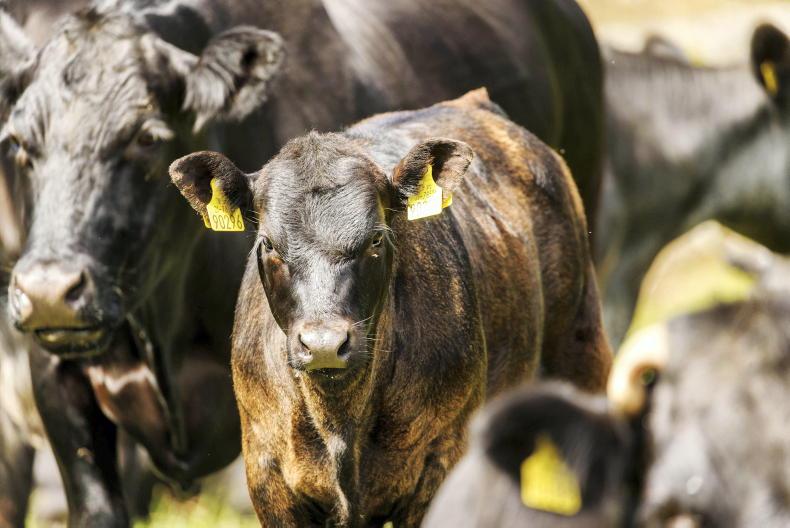
Last week’s unveiling of the European Commission’s new Vision for Agriculture and Food out to 2040, singled out livestock farming as being “particularly vulnerable to different shocks and global competition”.
The vision has noted that the EU’s livestock farmers are “world leaders” on production standards, “but their efforts are not reciprocated globally, where they compete on an uneven level playing field”.
It indicates that a “long-term vision” is needed to design “targeted, territorial solutions for the [livestock] sector’s competitiveness and sustainability”, while avoiding “one-size-fits-all” approaches to these challenges.
The Commission committed to launching a “work stream” specially dedicated to livestock farming, that will aim to boost the competitiveness of EU animal agriculture in the face of this volatility and competition.
There were no commitments made to roll back on environmental targets in the Vision, but the next CAP is to be simpler and more focused on incentives than regulations, the Commission claims.
Recommendations from this work stream will form the basis for a “toolbox of tailored measures” to assist livestock farmers to reduce greenhouse emissions.
The work stream is to focus on five areas of the EU’s livestock policy and this policy’s impact on farmers:
“Livestock is and will remain an essential part of EU agriculture, competitiveness and cohesion,” the Commission states in the new Vision document.
“Sustainable livestock is crucial for the EU economy, viability of rural areas and preservation of the environment and of rural landscapes. It is a sector in which innovation can thrive and bring tangible benefits.”


SHARING OPTIONS